An Explainer: What Is a Mood Board and How to Make One
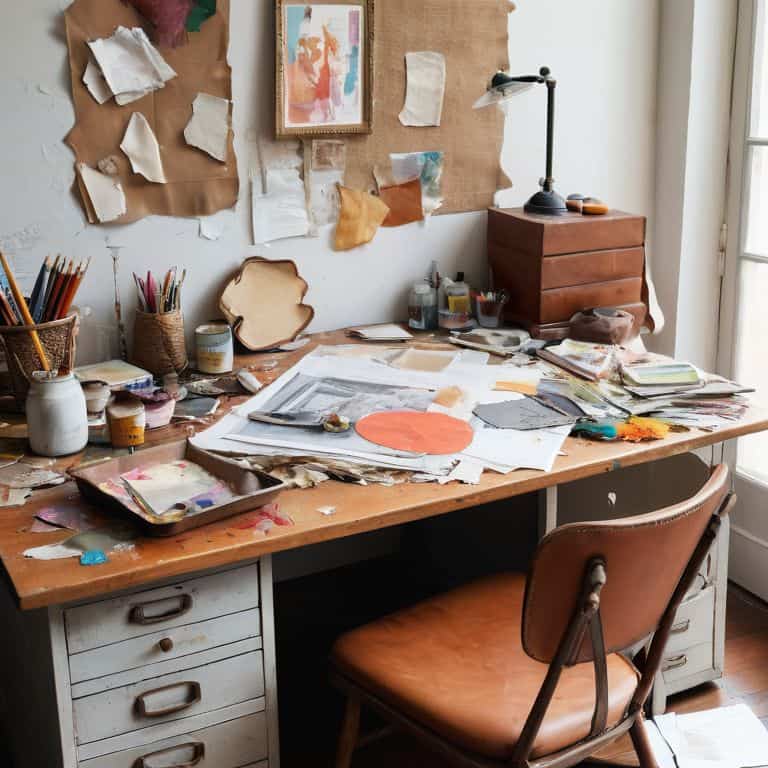
As I sit here surrounded by my vintage design books and scattered notes, I often find myself pondering the question: what is a mood board? It’s a term that’s been thrown around in design circles for years, but one that I believe has been oversimplified and misunderstood. We’ve all seen those trendy, Pinterest-inspired boards that are more about aesthetics than substance. But, in my opinion, a true mood board is about capturing the essence of a design, not just slapping together a few pretty images.
In this article, I promise to cut through the hype and provide you with a no-nonsense guide to understanding what a mood board really is and how to create one that truly serves your design vision. I’ll draw from my own experiences as a brand strategist and designer, sharing practical advice and real-world examples that will help you think more intentionally about your design process. My goal is to empower you with the knowledge and skills to create mood boards that are more than just a visual tool – but a powerful catalyst for bringing your design ideas to life.
Table of Contents
Demystifying Mood Boards
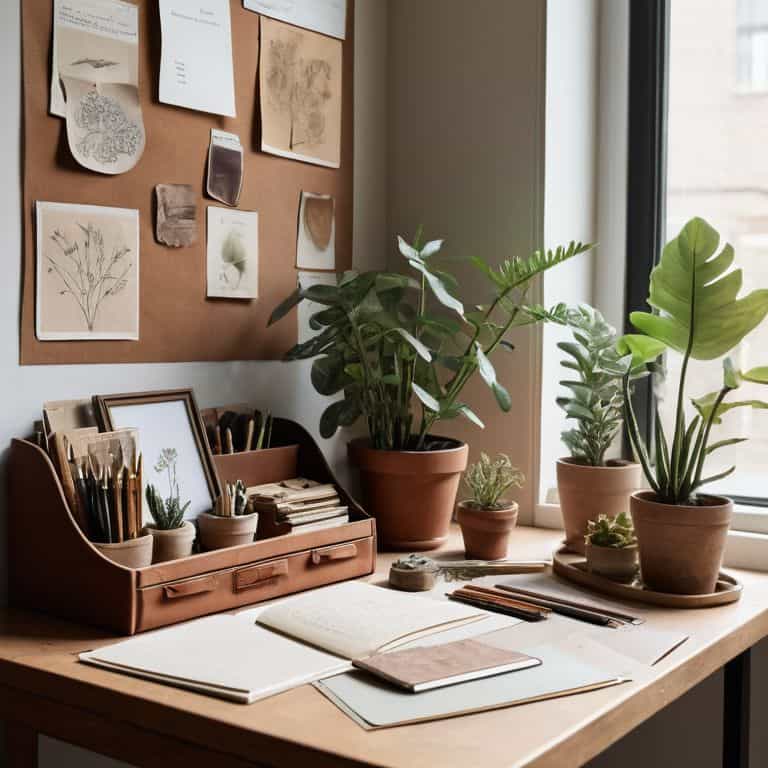
As I delve into the world of mood boards, I’m reminded of the wise words of Massimo Vignelli: “The life of a designer is a life of fight: fight against the ugliness.” For me, demystifying the design process is essential to creating something truly beautiful. A mood board is a powerful tool that helps us distill the essence of a design, capturing the feelings and emotions that will bring our vision to life. By using visual inspiration techniques, we can tap into the subconscious mind and uncover the underlying themes that will guide our creative decisions.
When it comes to creating a digital mood board, I believe that restraint is key. A cluttered board can lead to a cluttered mind, and ultimately, a design that lacks focus. By carefully curating a selection of images, colors, and textures, we can create a cohesive visual language that informs our design decisions. I often find inspiration in mood board examples for branding, where the use of color palettes in design is particularly effective in evoking a specific mood or atmosphere.
In my experience, the importance of mood boards in the design process cannot be overstated. By taking the time to carefully consider the visual elements that will bring our design to life, we can create a sense of cohesion and harmony that resonates with our audience. Whether using mood board templates for projects or starting from scratch, the key is to approach the process with intention and clarity, always keeping in mind the why behind our design decisions.
Beyond Pinning Visual Inspiration Techniques
As I delve into the world of mood boards, I’m reminded of the importance of visual research in gathering inspiration. It’s a process that involves more than just pinning images to a board. To truly capture the essence of a design, one must be intentional about the images they collect, considering the textures, colors, and typography that evoke the desired emotion.
By employing grid-based systems, designers can begin to organize their visual research into a cohesive narrative, revealing patterns and themes that might have otherwise gone unnoticed. This technique allows for a more nuanced understanding of the design space, enabling the creation of mood boards that are not just visually striking, but also deeply meaningful.
Crafting Digital Mood Boards With Intention
When creating digital mood boards, clarity is essential to convey the desired atmosphere and aesthetic. A well-crafted digital mood board can be a powerful tool for designers, allowing us to distill the essence of a project and communicate our vision effectively.
To achieve this, I rely on grid systems to organize my thoughts and visual elements, ensuring a harmonious balance between images, textures, and typography. This intentional approach enables me to create a cohesive digital mood board that captures the emotional resonance of a design.
What Is a Mood Board
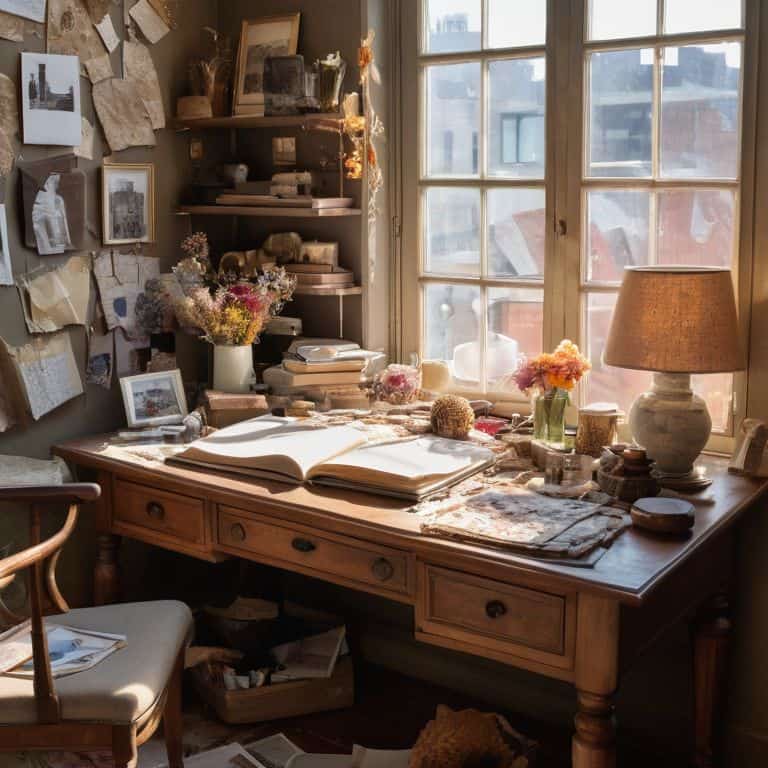
As I delve into the world of mood boards, I’m reminded of the wise words of Massimo Vignelli, who once said, “The life of a designer is a life of fight: fight against the ugliness.” For me, a mood board is a visual representation of the emotional and aesthetic aspirations of a design project. It’s a tool that helps us distill the essence of a brand, capturing the feelings and emotions that will bring our vision to life. By using visual inspiration techniques, we can create a mood board that not only inspires but also guides our design decisions.
When it comes to creating a digital mood board, I believe in the importance of intentional design. It’s not just about pinning images or collecting references, but about crafting a narrative that tells the story of our brand. By using mood board templates and color palettes, we can create a cohesive visual language that resonates with our audience. For instance, when working on a branding project, I often start by creating a mood board that showcases the importance of mood boards in design process. This helps me understand the client’s vision and preferences, and ensures that our design solutions are tailored to their needs.
As I reflect on my own design process, I realize that mood boards have played a crucial role in shaping my approach to branding and visual identity systems. By creating a digital mood board, I’m able to experiment with different visual elements, such as typography, imagery, and color, to create a unique and captivating visual identity. Whether it’s a mood board example for branding or a personal project, the key is to approach the design process with clarity and intention, and to use the mood board as a tool to guide our creative decisions.
Mood Boarding for Branding Color Palettes Matter
When it comes to mood boarding for branding, color palettes play a crucial role in setting the tone for the entire visual identity. A well-crafted color palette can evoke emotions and create a lasting impression on the audience. As Massimo Vignelli once said, “Colors are a means of exerting a direct influence on the soul,” and this couldn’t be more true in the context of branding.
A coherent color scheme is essential in creating a consistent brand image. By limiting the color palette to a few core colors, designers can create a sense of harmony and visual flow, making the brand more recognizable and memorable. This intentional approach to color selection can make all the difference in establishing a strong brand identity.
Project Kickstart Templates and Examples
When starting a new project, having a solid foundation can make all the difference. This is where templates come in, providing a structured approach to mood boarding. By using a pre-designed template, designers can focus on the creative aspects of the project, rather than getting bogged down in the logistics.
As I always say, “a good mood board is not just about aesthetics, but about intentional design“. To get started, designers can explore various online resources that offer mood board examples and templates. These can serve as a great inspiration, helping to kickstart the project and get those creative juices flowing.
Distilling the Essence: 5 Key Tips to Mastering Mood Boards
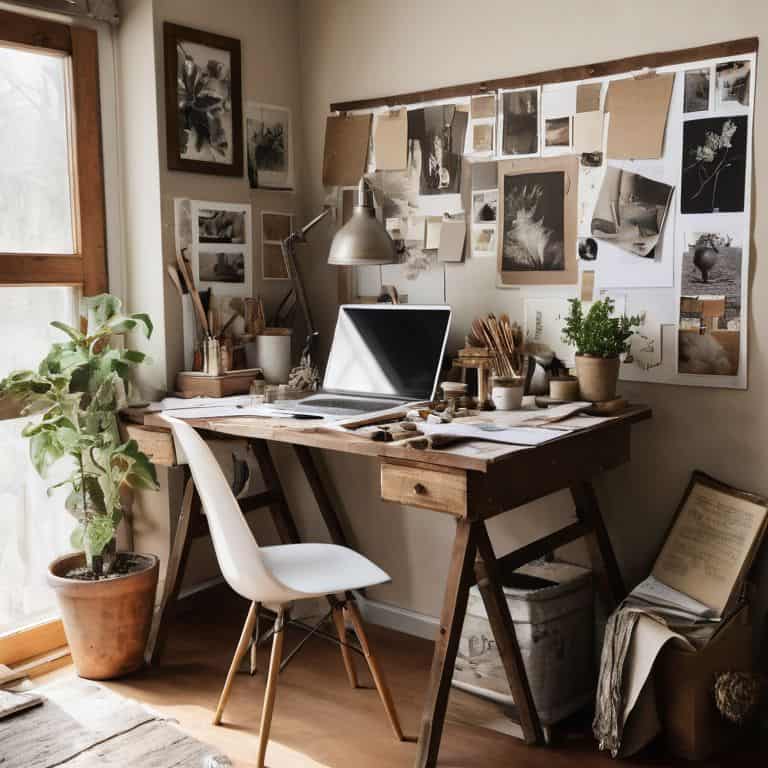
- Start with a clear vision: Before you begin pinning or collecting inspiration, define the core message and emotions you want to convey through your design
- Curate with intention: Don’t just collect images, select ones that evoke a specific feeling or mood, and consider the typography, color palette, and composition of each piece
- Experiment with analog and digital tools: Combine traditional methods like pinning images on a board with digital tools like mood boarding software to find what works best for you
- Edit and refine: Don’t be afraid to remove items that don’t contribute to the overall mood or vision, and continually refine your board as your design evolves
- Use your mood board as a North Star: Refer back to it throughout your design process to ensure you’re staying true to your original vision and capturing the essence of your intended mood
Key Takeaways: Elevating Your Design Practice
Effective mood boards are not just visual tools, but intentional canvases that capture the essence and emotions of a design project, guiding the creative process with clarity and purpose
Mood boarding is a versatile technique that can be applied across various design disciplines, from branding and visual identity to digital product design, by leveraging visual inspiration, color palettes, and typographic hierarchies
By embracing the art of mood boarding with a thoughtful and principle-driven approach, designers can move beyond mere decoration and trends, instead cultivating a deeper understanding of their design decisions and the timeless principles that underpin exceptional design
The Essence of Mood Boarding
A mood board is not just a collection of images, but a deliberate distillation of the essence that will bring our design vision to life – a visual manifesto that guides our creative journey.
Alistair Finch
Conclusion: The Enduring Power of Mood Boards
As we’ve explored the concept of mood boards, it’s clear that they’re more than just a collection of images or colors. They’re a foundational tool for designers, helping us to distill the essence of a project and capture the feelings and emotions that will bring our vision to life. From demystifying the design process to providing a framework for intentional creativity, mood boards play a crucial role in shaping the visual identity of a brand. By embracing the art of mood boarding, we can create a deeper connection with our audience and craft designs that are both meaningful and lasting.
So, as you embark on your next design journey, remember that a mood board is not just a starting point, but a catalyst for creative growth. It’s an invitation to experiment, to explore, and to push the boundaries of what’s possible. By embracing the principles of mood boarding, you’ll not only create stunning designs, but also develop a deeper understanding of the design process itself. And that, my friends, is the true power of mood boards.
Frequently Asked Questions
How do I effectively translate the visual inspiration from my mood board into a tangible design concept?
To translate visual inspiration into a design concept, I recommend distilling your mood board into key elements: color, typography, and texture. Then, apply a grid system to organize these elements, creating a harmonious visual hierarchy. As Massimo Vignelli said, “The grid system is an aid, not a guarantee.” Let the grid guide you, but don’t be afraid to break free and refine your design.
What are the key differences between a physical and digital mood board, and when should I use each?
For me, the key difference lies in tactility and flexibility. Physical mood boards offer a sensory experience, ideal for exploratory phases, while digital ones provide ease of sharing and iteration, suited for collaborative projects. I opt for physical in the initial stages, then transition to digital for refinement and presentation.
Can a mood board be used for purposes beyond branding and visual identity, such as product design or architecture?
Absolutely, mood boards can transcend branding and visual identity. I’ve seen them effectively applied to product design, architecture, and even experiential design, helping to distill the essence of a space or object, and guiding the creative process with a clear, shared vision.