A Guide to Creative Habits That Will Fuel Your Art
I still remember the day I realized that my creative habits were not just about producing art, but about cultivating a lifestyle that nurtures my soul. I was stuck in a busy marketing agency, feeling like my creativity was being suffocated by the monotony of it all. That’s when I stumbled upon a guide to creative habits that changed everything for me. It wasn’t about following a strict schedule or using the latest productivity tools, but about creating space for intentional creativity to flourish.
As I delved deeper into the world of creative habits, I discovered that it’s not just about finding time to make art, but about embracing the process and all its ups and downs. In this article, I’ll share my personal story of how I developed a sustainable creative practice that has helped me build a fulfilling freelance career. I’ll cut through the fluff and offer you practical advice on how to create a guide to creative habits that works for you, not against you. Whether you’re a fellow writer, artist, or simply someone looking to tap into your creative potential, I invite you to join me on this journey of discovery and growth.
Table of Contents
Guide Overview: What You'll Need
Total Time: 1 hour 15 minutes
Estimated Cost: $0 – $10
Difficulty Level: Easy
Tools Required
- Journal (dedicated to tracking habits)
- Pen (for writing and drawing)
- Timer (for setting daily reminders)
Supplies & Materials
- Stickers or colorful markers for decorating and highlighting journal entries
- Inspirational quotes or prints for motivation and decoration
- Blank paper for brainstorming and sketching out ideas
Step-by-Step Instructions
- 1. First, set your intentions by defining what creative habits mean to you – is it painting, writing, photography, or something else? Take some time to reflect on what sparks your creativity and makes you feel alive. I like to do this by journaling in my bullet journal, using prompts like “What are my goals for the next month?” or “What activities make me feel most inspired?
- 2. Next, schedule creative time into your daily or weekly planner, treating it as non-negotiable as any other important appointment. For me, this means dedicating my Monday mornings to creative sprints, where I focus on a specific project without any distractions. Start small, even 15-20 minutes a day, and gradually increase as you build the habit.
- 3. Then, create a conducive environment that fosters your creativity – this could mean decluttering your workspace, setting up a vision board, or simply ensuring good lighting and comfortable seating. I’m a big believer in the idea that a well-organized desk is a well-organized mind, so take some time to tidy up and make your space inspiring.
- 4. Now, start small and be consistent – don’t try to tackle too much at once, especially if you’re just starting out. Begin with manageable goals, like writing 250 words a day or practicing yoga for 10 minutes each morning. The key is to build momentum and make progress, not to create a masterpiece overnight.
- 5. Fifth, experiment and play with different mediums and techniques to find what works best for you. This might involve trying out new art supplies, attending workshops or classes, or even just browsing through museums and galleries for inspiration. I love visiting local museums on weekends, as it always leaves me feeling rejuvenated and refreshed.
- 6. Next, track your progress by keeping a journal or log of your creative activities – this could be as simple as writing down what you did each day, or as complex as tracking your time, progress, and setbacks. I use a combination of my bullet journal and a mobile app to stay on top of my projects and reflect on my growth over time.
- 7. Seventh, make time for intentional rest – this is just as important as your creative time, as it allows your mind and body to recharge. For me, this means scheduling intentional rest days into my calendar, where I avoid any work-related activities and focus on self-care, whether that’s reading a book, taking a nap, or practicing yoga. Remember, rest is not idle – it’s essential to your creative well-being.
- 8. Finally, be patient and kind to yourself as you develop your creative habits – it’s a journey, not a destination, and it’s okay to stumble or encounter setbacks along the way. Don’t be too hard on yourself if you miss a day or two, but instead focus on getting back on track and celebrating your small wins. With time and practice, you’ll find your own unique rhythm and creative flow.
A Guide to Creative Habits
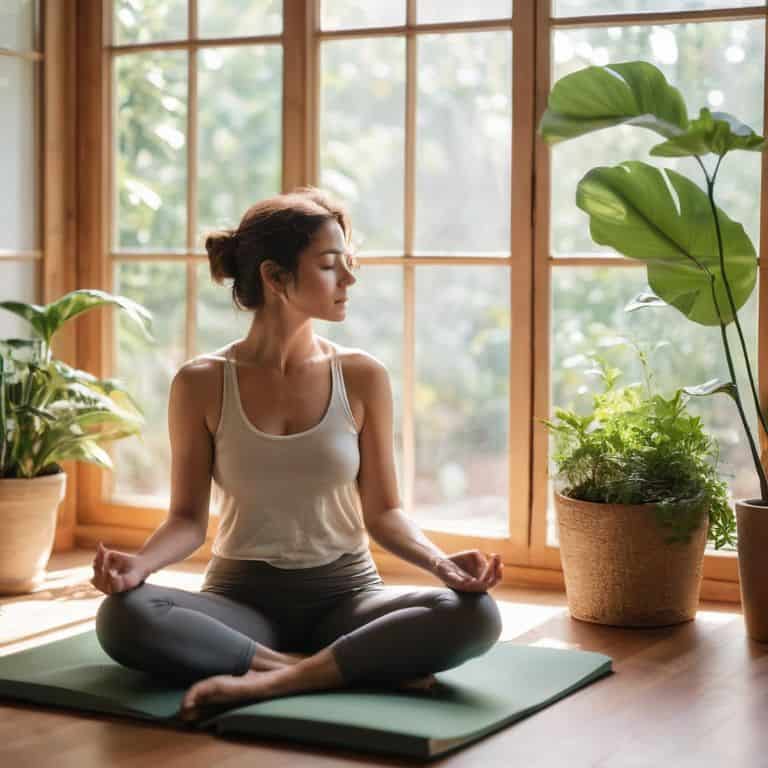
As I reflect on my own journey, I’ve come to realize the importance of self care for creativity. It’s easy to get caught up in the hustle and bustle of freelance work, but taking care of my physical and mental health has been crucial in maintaining my creative spark. For me, that means starting each day with a _morning routine for artists_ that sets the tone for productivity and inspiration. Whether it’s journaling, yoga, or simply taking a walk outside, I’ve found that prioritizing my well-being helps me stay motivated and focused on my creative projects.
One of the biggest challenges I’ve faced as a freelancer is _overcoming creative block_. There have been times when I’ve felt stuck or uncertain about my work, but I’ve learned to push through those moments by staying motivated as a freelancer. For me, that means breaking down large projects into smaller, manageable tasks, and celebrating my successes along the way. I’ve also found that taking breaks and practicing _time management for creative projects_ helps me stay on track and avoid burnout.
By incorporating these habits into my daily routine, I’ve been able to build a _daily writing habit_ that brings me joy and fulfillment. It’s not always easy, but I’ve found that the key to success lies in being intentional with my time and energy. By prioritizing my creative work and taking care of myself, I’ve been able to cultivate a sense of purpose and passion that drives me to keep creating.
Morning Routine for Artists Unleashed
My morning routine is sacred, a time to set intentions and spark creativity. I begin with 10 minutes of morning pages, writing whatever comes to mind without editing. This clears my mind and gets my thoughts flowing. Next, I spend 15 minutes practicing yoga to loosen up and energize my body. Finally, I take a few moments to review my schedule and prioritize my creative tasks for the day, using my trusty bullet journal to stay organized. By starting my day with this consistent routine, I feel more focused and prepared to tackle my artistic pursuits.
Overcoming Blocks With Self Care
When I’m stuck, I turn to self-care. For me, that means taking a break from my desk to practice some yoga or going for a walk outside. I’ve found that getting my blood flowing and changing my environment helps to shift my perspective and get my creative juices going again. I also make sure to prioritize sleep and nutrition, as a tired and hungry brain is not a creative one.
By incorporating self-care into my daily routine, I’ve been able to overcome blocks and stay inspired. Whether it’s reading a book, taking a relaxing bath, or simply enjoying a cup of coffee in peace, I believe that taking care of myself is essential to maintaining a healthy and thriving creative habit.
5 Essential Tips to Nurture Your Creative Soul
- My favorite trick for getting into a creative flow is to start with a ‘bad’ first draft – it’s liberating to give myself permission to write or create something truly awful, just to get the juices flowing
- I’ve learned to prioritize ‘intentional rest’ as a key part of my creative habit – whether it’s a yoga practice, a walk in nature, or a nap, I make time for activities that replenish my energy and spark new ideas
- Color-coding my schedule and tasks has been a game-changer for me – it helps me visualize my priorities and make sure I’m allocating enough time for creative pursuits, while also leaving space for spontaneity and exploration
- Morning pages have become a non-negotiable part of my daily routine – there’s something about putting pen to paper and letting my thoughts flow without judgment that helps me clarify my goals and get focused on what really matters
- I’ve found that setting aside dedicated ‘creative sprints’ – whether it’s 25 minutes or 2 hours – helps me stay focused and avoid burnout, while also allowing me to make meaningful progress on my projects and nurture my artistic voice
Key Takeaways for Cultivating Creative Habits
I’ve learned that starting small and being consistent with your creative practice is more important than waiting for the perfect idea or until you feel inspired, because the truth is, inspiration often follows action
By incorporating self-care into your daily routine, such as journaling, meditation, or yoga, you can better navigate creative blocks and maintain a healthy work-life balance that nurtures your artistic expression
Embracing flexibility and adaptability in your creative routine is crucial – life is unpredictable, and your habits should be able to evolve with you, ensuring that your artistic pursuits remain a source of joy and fulfillment rather than stress and burnout
Cultivating Creative Rhythm
The most powerful creative habit is not about producing something every day, but about showing up for yourself, with intention and curiosity, and letting the art unfold from there.
Audrey Bell
Embracing the Creative Journey
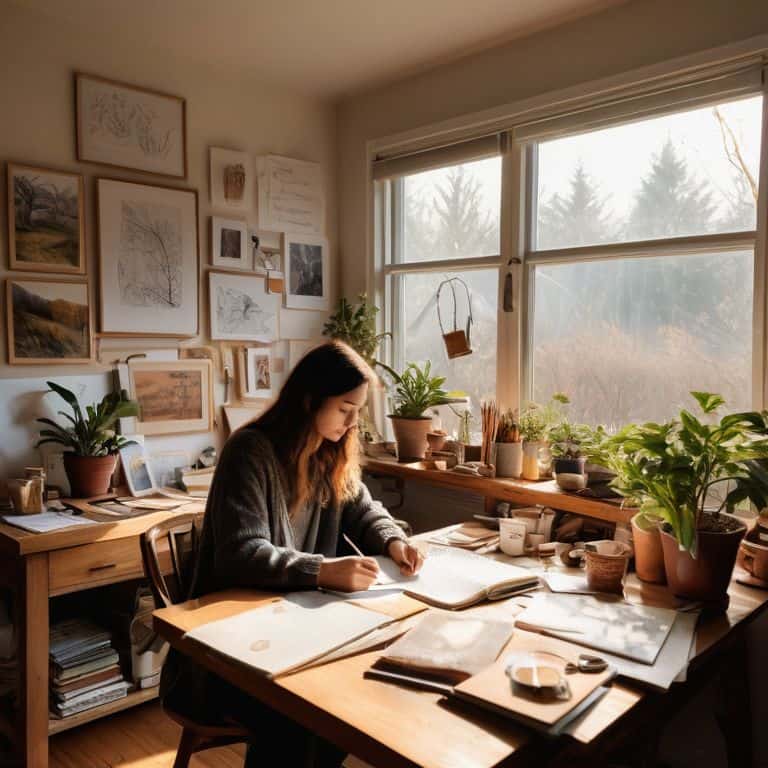
As we conclude this guide to creative habits, let’s recap the essential steps we’ve covered: establishing a morning routine that sparks inspiration, overcoming blocks with self-care, and cultivating a mindset that embracing imperfection. By incorporating these practices into our daily lives, we can unlock our full creative potential and make progress on our most cherished projects. Remember, the goal is not to create a rigid system, but to find a rhythm that works for you and allows your creativity to flourish.
As you embark on your own creative journey, I encourage you to be patient, kind, and gentle with yourself. Celebrate your small wins, and don’t be too hard on yourself when you encounter setbacks. With time and practice, you’ll develop a sense of trust in your creative process, and that’s when the real magic happens. So, take a deep breath, grab your favorite pen or brush, and let the beauty of your imagination unfold onto the page.
Frequently Asked Questions
How can I ensure that my creative habits stick in the long term and don't fizzle out after a few weeks?
To make creative habits stick, I swear by scheduling ‘creative sprints’ and ‘intentional rest’ into my weekly planner, and tracking progress in my bullet journal – it’s all about consistency and self-care for me.
What role does self-care play in maintaining a consistent creative routine, and are there any specific self-care practices that are particularly beneficial for artists?
For me, self-care is the unsung hero of creative consistency. It’s about nourishing my mind, body, and soul to stay inspired and focused. Practices like yoga, meditation, and journaling help me silence self-doubt and tap into my inner source of creativity, allowing me to show up fully for my art.
Are there any ways to adapt a creative habit to fit different personality types or work styles, such as introverts versus extroverts or morning people versus night owls?
I’ve found that adapting creative habits to your personality and work style is key. For introverts, solo activities like journaling or drawing might be best, while extroverts might thrive in collaborative environments. As a morning person myself, I prioritize my most important work then, but night owls can schedule their creative time for when they feel most alive.