A Curator’s Guide: How to Find Inspiration for Your Art
As I sit amidst the chaos of my own creative space, surrounded by half-finished projects and scraps of paper filled with fleeting ideas, I’m reminded that the quest to how to find inspiration is a universal struggle. We’ve all been there – staring blankly at a canvas, a page, or a screen, waiting for the spark that will set our imagination ablaze. But what if I told you that the conventional wisdom on finding inspiration is, in fact, a myth? That the idea of waiting for a magical moment of clarity is not only unrealistic but also counterproductive?
In this article, I promise to share with you my own hard-won wisdom on how to find inspiration, gleaned from years of working with artists, writers, and creatives of all stripes. I’ll show you that inspiration is not something that can be forced or manufactured, but rather it’s a natural byproduct of embracing the unknown and trusting the process. You’ll learn how to cultivate a mindset that allows you to tap into your inner sources of inspiration, even when the going gets tough. So, if you’re ready to ditch the clichés and get real about finding inspiration, then let’s dive in and explore the unvarnished truth about what it takes to spark your creativity.
Table of Contents
Guide Overview: What You'll Need

Total Time: 1 hour to several days
Estimated Cost: $0 – $100
Difficulty Level: Easy
Tools Required
- Journal (for writing down ideas)
- Camera (for capturing inspiring moments)
- Computer (with internet access)
Supplies & Materials
- Nature Walks (take time to observe surroundings)
- Books and Magazines (from various genres)
- Conversation with Friends and Family (engage in discussions about interests)
Step-by-Step Instructions
- 1. First, allow yourself to breathe into the uncertainty of not knowing where to find inspiration. It’s easy to get caught up in the pressure to constantly produce, but I’ve found that taking a step back and giving yourself permission to wander can be incredibly liberating. Take a walk, practice some gentle stretches, or simply sit in silence for a few moments – sometimes, the best ideas emerge when we’re not actively trying to force them.
- 2. Next, start by revisiting your why: what drives you to create in the first place? What spark ignited the flame of passion within you, and how can you tend to that flame when it starts to flicker? For me, it’s about connecting with the stories of other artists, like the letters of Vincent van Gogh or the journals of Frida Kahlo – their words have a way of reminding me that I’m not alone in this journey.
- 3. Now, try to let go of expectations and allow yourself to explore new sources of inspiration. This might mean picking up a book or magazine that’s outside of your usual genre, attending a concert or exhibition that pushes you out of your comfort zone, or even trying a new hobby or creative pursuit. I’ve found that some of my most innovative ideas have come from combining seemingly disparate interests, like pairing the precision of ikebana with the expressive freedom of abstract painting.
- 4. As you begin to explore, start to pay attention to the little things – the way the light falls on a particular texture, the sound of raindrops on different surfaces, or the smell of old books and dusty archives. These small, often-overlooked details can be a rich source of inspiration, and training yourself to notice them can help you cultivate a sense of wonder and curiosity.
- 5. Take some time to rummage through your own archives – whether that’s a physical sketchbook, a digital folder, or even just a mental repository of half-remembered ideas. Sometimes, revisiting old projects or abandoned concepts can help you see them in a new light, and you might be surprised at how a fresh perspective can breathe new life into something that previously felt stagnant.
- 6. Now, try to schedule in some serendipity – whether that’s taking a different route to work, striking up a conversation with a stranger, or simply leaving some space in your calendar for spontaneity. I’ve found that some of my most meaningful encounters and discoveries have come from embracing the unknown and allowing myself to be surprised.
- 7. As you continue on your journey, remember to be kind to yourself and acknowledge that inspiration is a cyclical process. There will be times when the ideas flow effortlessly, and times when the well seems dry – but even in those fallow seasons, there is always the potential for growth and renewal. By trusting in the natural ebb and flow of creativity, you can learn to navigate the uncertain spaces with greater ease and confidence.
Finding Inspiration Within
As I sit amidst the gentle chaos of my own studio, surrounded by half-finished projects and scattered notes, I’m reminded that finding inspiration is often a matter of tuning into the world around us. The Japanese art of _ikebana_ has taught me the value of mindfulness in creative thinking, where the simple act of arranging flowers can become a meditation on form and function. By cultivating this sense of awareness, we can begin to see the world as a vast, intricate web of connections waiting to be explored.
In my experience, overcoming creative obstacles often requires a willingness to step outside our comfort zones and engage with the world in new and unexpected ways. This might involve taking a walk in the woods, visiting a local art museum, or simply striking up a conversation with a stranger. By embracing the unknown and allowing ourselves to be shaped by our experiences, we can tap into a deep well of inspiration that lies just beneath the surface of our everyday lives.
As we navigate the twists and turns of our creative journeys, it’s essential to remember the importance of self-care for creativity. This means taking time to nurture our minds, bodies, and spirits, whether through meditation, exercise, or simply taking a relaxing bath. By prioritizing our own well-being, we can create a fertile ground for inspiration to take root, and using prompts for artistic inspiration can become a powerful tool for sparking new ideas and insights.
Natures Role in Artistic Expression
As I wander through the gardens, practicing the delicate art of ikebana, I’m reminded of the profound impact nature has on our creative souls. The gentle rustle of leaves, the vibrant hues of blooming flowers, and the majestic dance of sunlight through the trees all conspire to awaken our inner artist. It’s no wonder that so many masters have sought solace and inspiration in the natural world – from Monet’s lush landscapes to Van Gogh’s swirling depictions of the cypress trees.
In nature’s grand tapestry, we find reflections of our own creative journey: the ebbs and flows, the twists and turns, the moments of beauty and the seasons of quiet. By embracing this symbiosis, we can tap into the boundless wellspring of inspiration that lies just beyond our studio doors, waiting to nourish our artistic expression.
Overcoming Creative Obstacles
As I sit amidst the gentle chaos of my own studio, surrounded by half-finished projects and scattered sketches, I’m reminded that even the most inspired minds encounter obstacles. It’s in these moments that I recall the wise words of Picasso: “The only way to do great work is to love what you do.” For me, overcoming creative obstacles is not about forcing a breakthrough, but about learning to love the uncertainty. It’s about embracing the fallow season, where the seeds of new ideas can quietly germinate.
In the stillness, I find solace in the words of other artists who have navigated similar struggles. Their stories remind me that creative blocks are an inevitable part of the journey, and that it’s precisely in these moments that we’re invited to dig deeper, to explore new perspectives, and to trust the process. By acknowledging and working through these obstacles, we can transform them into catalysts for growth, and ultimately, uncover new sources of inspiration within ourselves.
Nurturing the Spark: 5 Gentle Guides to Finding Inspiration
- Allow yourself to get lost in the unknown, for it’s often in the uncharted territories of our minds that we stumble upon innovative ideas and fresh perspectives
- Practice the art of observation, for the intricate details and textures of the world around us hold a wealth of creative potential waiting to be tapped
- Cultivate a sense of curiosity, embracing the childlike wonder that once drove us to explore and discover, and letting it guide us towards new sources of inspiration
- Embrace the beauty ofhappy accidents, recognizing that mistakes and unexpected outcomes can often lead to novel and exciting creative breakthroughs
- Create space for solitude and quiet contemplation, for in the stillness, we can tune into our inner voices and allow our imaginations to flourish, unencumbered by the distractions of the world
Embracing Inspiration: 3 Key Takeaways
Allow yourself to wander into the unknown, for it’s often in the empty, uncharted spaces that inspiration begins to whisper its gentle guidance
Recognize that creative block is not a barrier, but a bridge to new ideas and perspectives – a fallow season for the mind where the seeds of innovation can take root
Find solace in the stories of fellow creatives who have navigated similar paths, and remember that the beauty of art lies not in its perfection, but in its honest, imperfect reflection of the human experience
Embracing the Muse
Inspiration is not a destination, but a gentle hum in the background of our lives, waiting to be tuned into – it’s in the whispers of the wind, the curves of a leaf, and the fleeting moments of beauty that we often overlook.
Genevieve Croix
Embracing the Journey of Inspiration
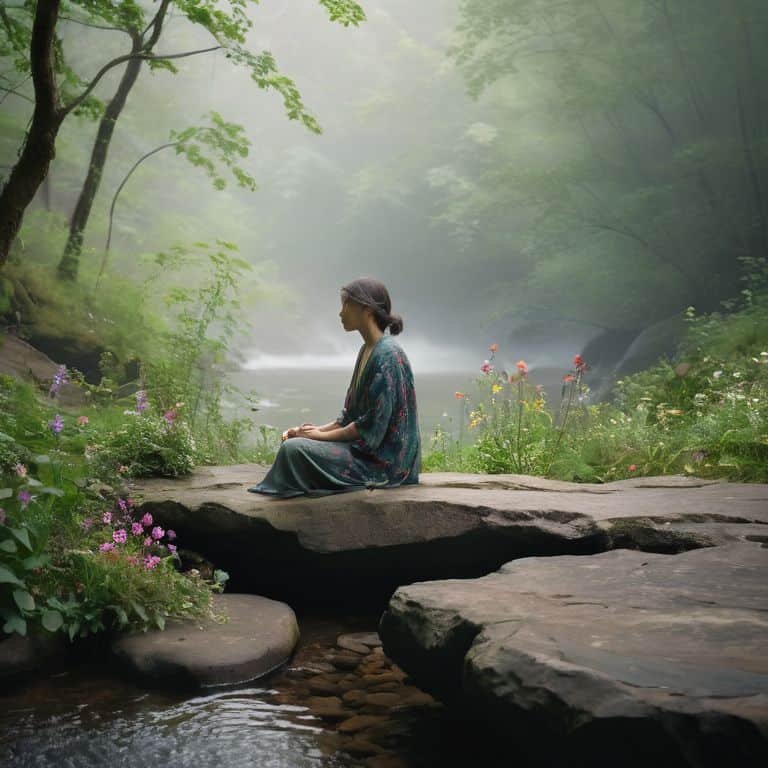
As we’ve explored the ways to find inspiration, it’s clear that the journey is just as important as the destination. We’ve discussed the value of embracing the empty page, of finding inspiration within, and of overcoming creative obstacles. We’ve also touched on the role of nature in artistic expression, and how it can be a powerful catalyst for new ideas. By embracing these principles, we can cultivate a mindset that is open to new experiences and receptive to the whispers of inspiration. Whether we’re walking through a forest, practicing ikebana, or simply sitting in stillness, we can tap into the creative potential that lies within us.
So, as you continue on your own journey of inspiration, remember that it’s okay to get lost, to stumble, and to doubt. For it’s in these moments of uncertainty that we often discover our greatest creative breakthroughs. Don’t be afraid to take the road less traveled, to explore the uncharted territories of your imagination, and to trust in the process. For it’s in this beautiful uncertainty that we find the true magic of creativity, and the inspiration that will guide us towards our most authentic and meaningful work.
Frequently Asked Questions
How can I silence my inner critic and allow myself to explore new ideas without fear of judgment?
To silence your inner critic, try embracing the imperfections of your early drafts, just as the Japanese concept of wabi-sabi celebrates the beauty in imperfection. Allow yourself to create without judgment, remembering that even the greats, like Picasso, had their fair share of critiques and doubts.
What role can solitude play in sparking inspiration, and how can I balance alone time with collaborative creativity?
Solitude can be a powerful catalyst for inspiration, allowing us to tune into our inner voices and tap into our unique perspectives. As the painter Georgia O’Keeffe once said, “I’ve been absolutely terrified every moment of my life, and I’ve never let it keep me from doing a single thing that I wanted to do.” In solitude, we can confront our fears and doubts, and discover new sources of creativity. To balance alone time with collaborative creativity, try setting aside dedicated time for solo reflection and exploration, and then sharing your ideas with others to refine and build upon them.
Are there any specific practices or rituals that artists have used throughout history to cultivate inspiration, and can I incorporate these into my own daily routine?
As I’ve delved into the daily habits of famous artists, I’ve discovered that many have relied on rituals like morning walks, journaling, or meditation to spark inspiration. For instance, Claude Monet would often take a sunrise stroll along the Seine, while Vincent van Gogh would write letters to his brother Theo, pouring out his thoughts and feelings.