A Guide on How to Use Negative Space in Photography
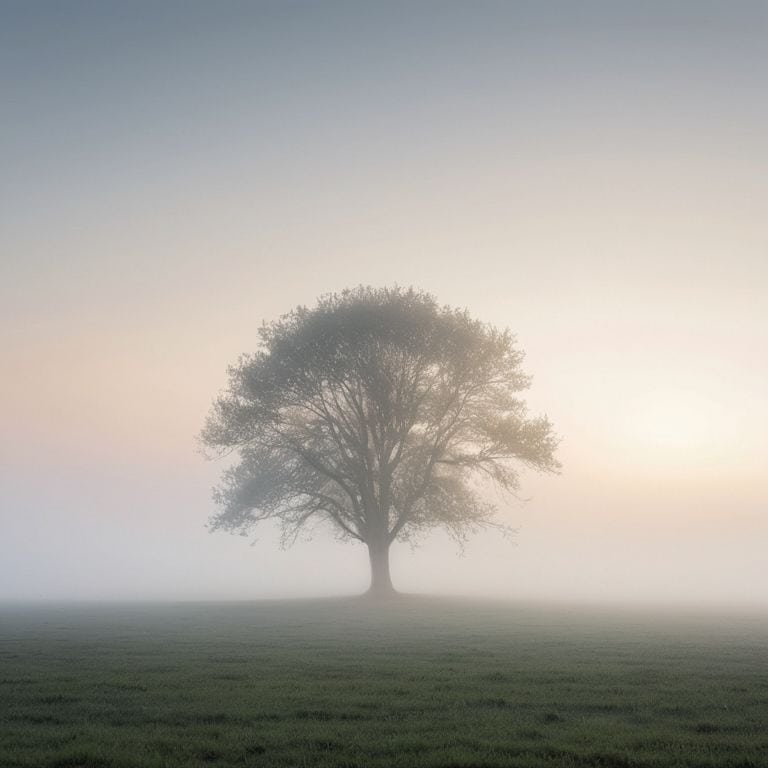
I still remember the day I realized that negative space wasn’t just the absence of something in my photos, but a powerful tool to tell a story. I was on a photo walk, capturing the city’s streets during golden hour, when I stumbled upon a scene that would change my perspective on photography. A lone figure stood in the distance, surrounded by a vast, empty landscape. It was then that I understood the true meaning of how to use negative space in photography – to create a sense of atmosphere, to guide the viewer’s eye, and to evoke emotions.
In this article, I’ll share my personal approach to working with negative space, and provide you with practical tips on how to use negative space in photography to enhance your compositions. You’ll learn how to balance elements, create a sense of depth, and capture the essence of a scene. My goal is to help you develop your unique visual style, and to show you that storytelling is the most important part of a great photograph. By the end of this guide, you’ll be equipped with the knowledge to take your photography to the next level, and to unlock the full potential of negative space in your images.
Table of Contents
Guide Overview: What You'll Need
Total Time: 1 hour 15 minutes
Estimated Cost: $0 – $100
Difficulty Level: Intermediate
Tools Required
- Camera (with manual focus and exposure control)
- Tripod (for stability)
- Remote Shutter Release (or camera timer)
- Computer (with image editing software)
Supplies & Materials
- None No additional supplies are required, but a basic understanding of photography concepts is necessary
Step-by-Step Instructions
- 1. To start using negative space in your photography, understand the concept of what negative space is – it’s the area between and around objects, and it’s not just empty space, but a vital part of your composition that can make or break the story you’re trying to tell. Think of it as the breathing room your subjects need to truly come alive in your photos.
- 2. Next, learn to see the light and how it interacts with negative space – the way shadows fall, the glow of natural light, or the harshness of artificial light can all dramatically impact the mood and atmosphere of your image. Practice shooting during the golden hour, when the light is soft and warm, to capture truly unique and captivating scenes.
- 3. Now, focus on simplifying your composition by removing any distractions that might take away from your subject – this could mean moving objects out of the frame, waiting for people to walk out of the shot, or even just crouching down to change your perspective. Remember, the goal is to create a sense of calmness and clarity in your image.
- 4. Experiment with different angles and perspectives to add depth and interest to your photos – try shooting from low or high angles, or even just slightly off-center to create a sense of tension or movement. This will help you develop your own unique visual style and make your photos stand out.
- 5. Pay attention to the negative space around your subject’s body – consider the way their limbs, clothing, or accessories interact with the surrounding environment, and use this space to tell a story or convey emotion. For example, a person standing alone in a vast, empty landscape can evoke a sense of loneliness or contemplation.
- 6. When working with multiple subjects, think about how you can use negative space to create a sense of relationship between them – this could mean placing them in close proximity, but with a clear distinction between their personal spaces, or using the environment to separate them and create a sense of distance or disconnection.
- 7. Finally, practice editing your photos with intention, using the negative space to guide the viewer’s eye through the image – consider cropping, adjusting the contrast and exposure, or even adding subtle textures or grains to enhance the mood and atmosphere of your photo. Remember, the goal is to enhance the story, not to overwhelm it with unnecessary edits.
Capturing Lifes Pause
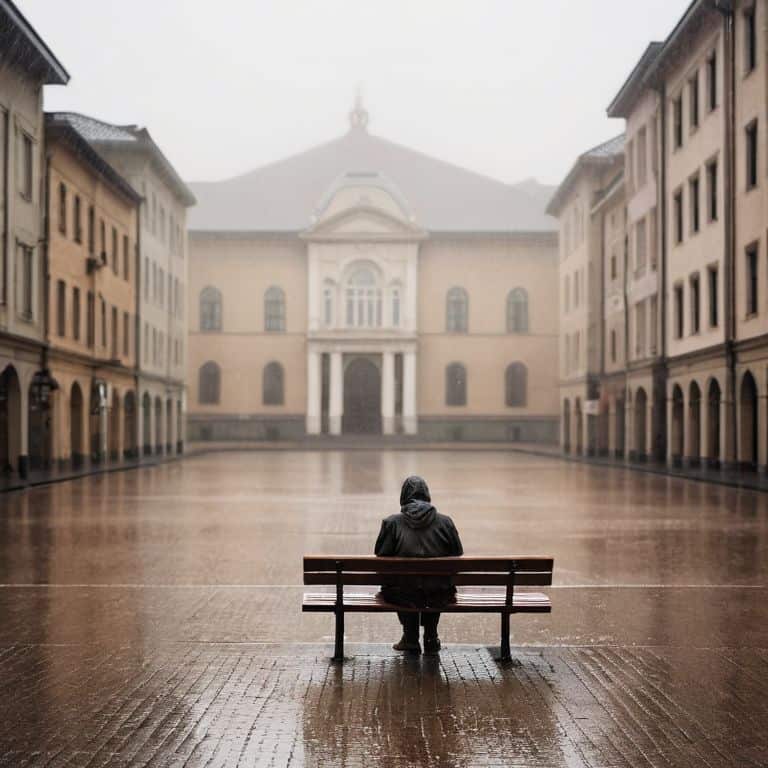
As I wander through the city with my camera, I’m constantly on the lookout for moments of pause, where the world seems to slow down and the beauty of everyday life reveals itself. Negative space composition techniques can be a powerful tool in capturing these fleeting moments, allowing the viewer’s eye to rest and absorb the scene. By incorporating more empty space into my frames, I’ve found that I can create a sense of intimacy and quiet contemplation, drawing the viewer into the story.
When it comes to minimalist photography tips, I always advise my students to simplify their backgrounds and focus on the essential elements of the scene. This can be as simple as shooting against a plain wall or using the sky as a backdrop. By eliminating distractions and creating breathing room in the image, we can guide the viewer’s attention to the true subject of the photo. Whether I’m shooting portraits or street scenes, I’ve found that this approach helps to create a sense of visual storytelling with negative space, where the image speaks for itself.
In my own photography practice, I’ve come to appreciate the emotional impact of negative space, particularly in portrait photography. By using empty space to surround my subjects, I can convey a sense of vulnerability and introspection, inviting the viewer to connect with them on a deeper level. As I develop my film in the darkroom, I’m always on the lookout for those special moments where the negative space seems to pulsate with life, and I know that I’ve captured something truly special.
Minimalist Photography Tips for Soul
As I reflect on my own journey with minimalist photography, I’ve come to realize that it’s not just about stripping away distractions, but about revealing the essence of a moment. When we capture life’s pause, we’re not just freezing time, but inviting the viewer to step into the stillness. I recall a shot I took in a quiet café, where the soft morning light danced across a solitary cup, telling a story of solitude and contemplation. In that instant, the negative space became a character in its own right, whispering tales of the human experience.
By embracing the beauty of minimalism, we can tap into the soul of a scene, and uncover the hidden narratives that lie within. It’s a reminder that, as photographers, we’re not just technicians, but storytellers, and that the most powerful images are those that speak directly to the heart.
Negative Space in Portrait Photography
When I’m behind the lens, I love using negative space to create intimate, unguarded portraits. It’s about giving my subject room to breathe, to let their personality shine through the silence. I recall a shoot I did with a young musician – instead of cluttering the frame with instruments or props, I placed her in a vast, empty room, with soft natural light pouring in. The negative space around her seemed to amplify her emotions, drawing the viewer’s eye to the subtleties of her expression. It was as if the emptiness became a character in itself, telling a story of solitude and creativity.
In portrait photography, negative space can be a powerful tool for conveying mood and atmosphere. By stripping away distractions, you can focus attention on the subtleties of your subject’s face, their posture, and their energy. I often shoot during golden hour, when the soft light seems to wrap around my subject, emphasizing the negative space and creating a sense of depth and dimensionality. It’s a delicate balance, but one that can elevate your portraits from mere snapshots to nuanced, storytelling images.
Embracing the Silence: 5 Essential Tips for Mastering Negative Space in Photography
- Let the Subject Breathe: Give your subject room to exist within the frame, allowing the negative space to tell a story of solitude or freedom
- Play with Proportions: Experiment with placing your subject off-center, using the negative space to create a sense of tension or harmony
- Capture the In-Between Moments: Negative space can be used to convey the stillness between actions, the pause between breaths, or the quiet before a storm
- Use Negative Space to Guide the Eye: By carefully composing your shot, you can use negative space to lead the viewer’s eye through the image, creating a sense of flow or journey
- Shoot During the Golden Hour: The soft, warm light of golden hour can beautifully accentuate negative space, adding a sense of depth and dimensionality to your photographs
Key Takeaways for Mastering Negative Space
Embracing negative space allows your subject to breathe, giving the viewer’s eye a place to rest and inviting them to engage with the story you’re telling
By incorporating negative space, you can create a sense of simplicity and minimalism in your photography, drawing attention to the essence of your subject and eliminating distractions
Experimenting with negative space, especially during the golden hour, can add a profound depth and emotion to your photographs, making them more evocative and memorable
The Power of Restraint
Negative space is not just the absence of something, but the presence of a story waiting to be told – it’s the silence between the notes that makes the music of photography truly resonate.
Julian Kade
Embracing the Beauty of Negative Space
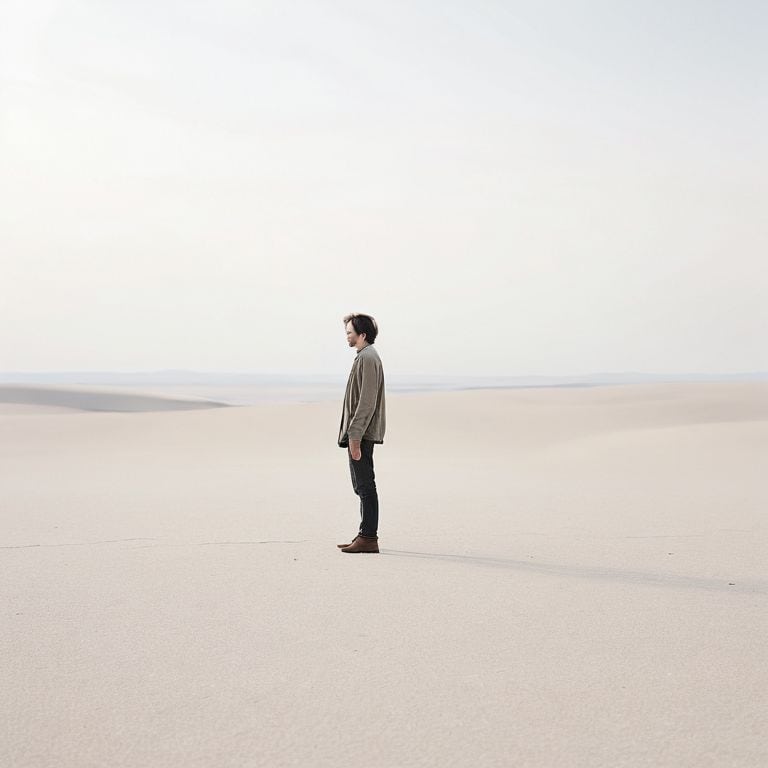
As we’ve explored the world of negative space in photography, it’s clear that mastering this technique can elevate your images from mere snapshots to powerful storytelling tools. We’ve discussed the importance of minimalist photography and how it can be used to capture life’s pause, and delved into the specifics of using negative space in portrait photography to create more intimate and revealing portraits. By embracing the simplicity and elegance of negative space, you can add depth, emotion, and narrative to your photos, inviting viewers to fill in the gaps and become a part of the story.
So, the next time you’re out with your camera, remember that the real magic happens in the spaces between the obvious. Don’t be afraid to experiment and push boundaries, using negative space to uncover the hidden stories and emotions that make life worth capturing. As you continue on your photographic journey, keep in mind that the true beauty of negative space lies not just in its technical application, but in its ability to inspire, to provoke thought, and to connect us all on a deeper level.
Frequently Asked Questions
How can I effectively use negative space in street photography to capture the essence of a busy city?
In street photography, negative space can be a game-changer. I love using it to isolate a subject amidst chaos, like a lone figure in a crowded market. Shoot during golden hour, when soft light wraps around the scene, and experiment with wide angles to emphasize the space around your subject – it’s amazing how it can simplify the complexity of a busy city.
What are some common mistakes to avoid when using negative space in portrait photography to ensure my subject stands out?
When using negative space in portraits, I see many photographers fall into the trap of underexposing their subject, making them blend into the background. Others overdo it, leaving their subject lost in a sea of emptiness. To avoid this, I always remind myself to balance the negative space with a clear subject, and to pay attention to the light – it’s all about harmony.
Can you provide examples of how to balance negative space with other compositional elements, such as leading lines or framing, to create visually appealing images?
When balancing negative space with leading lines or framing, I look for harmony between emptiness and structure. For instance, a lone tree on a hill, with a winding road leading to it, can create a beautiful balance of negative space and leading lines, drawing the viewer’s eye to the subject.