A Guide to High-contrast Black and White Photography
I still remember the first time I stumbled upon a guide to high-contrast black and white photography. I was sifting through a vintage photography book in a small, used bookstore, and one particular image caught my eye – a stunning portrait with deep, rich shadows and bright, piercing highlights. It was as if the photograph was alive, and I was drawn to its emotional depth. The photographer’s use of high contrast had added a layer of complexity to the image, inviting the viewer to explore and interpret the scene in their own way.
As I delved deeper into the world of high-contrast black and white photography, I realized that it’s not just about mastering the technical aspects, but also about developing an eye for the poetic potential of light and shadow. In this article, I’ll share my personal approach to creating captivating high-contrast black and white images, from understanding the role of light and composition to experimenting with different techniques in the darkroom. My goal is to provide you with practical advice and inspiration to help you unlock the full potential of high-contrast black and white photography and develop your own unique visual style.
Table of Contents
- Guide Overview: What You'll Need
- Step-by-Step Instructions
- A Guide to High Contrast Black and White Photography
- Unlocking the Power of High-Contrast: 5 Essential Tips for Black and White Photography
- Key Takeaways for Mastering High-Contrast Black and White Photography
- Embracing the Darkness and the Light
- Embracing the Beauty of High-Contrast Black and White Photography
- Frequently Asked Questions
Guide Overview: What You'll Need
Total Time: 1 hour 30 minutes
Estimated Cost: $50 – $100
Difficulty Level: Intermediate
Tools Required
- Camera (with manual mode capabilities)
- Tripod (for stability)
- Remote Shutter Release (or camera timer)
- Image Editing Software (such as Adobe Lightroom or Photoshop)
Supplies & Materials
- Black and White Film (if using a film camera)
- Memory Cards (if using a digital camera)
- Lens Cleaning Cloth
- Gray Card (for metering purposes)
Step-by-Step Instructions
- 1. To start, let’s talk about the foundation of high-contrast photography: understanding your camera’s metering modes. I always shoot in manual mode, as it gives me the most control over the exposure, but you can also experiment with aperture priority or shutter priority modes to achieve the desired effect. The key is to pay attention to the light and adjust your settings accordingly.
- 2. Next, you’ll want to consider the time of day and how it affects the quality of light. I’m obsessed with the golden hour, that magical time just before sunrise or after sunset when the light is soft and warm. It’s perfect for capturing high-contrast images with deep shadows and bright highlights. Try to plan your shoots around this time for the best results.
- 3. Now, let’s talk about composition. When it comes to high-contrast black and white photography, simple compositions often work best. Look for scenes with strong lines, shapes, and textures that will be accentuated by the high contrast. I love shooting in urban environments, where the mix of old and new architecture creates a rich tapestry of visual interest.
- 4. To achieve high contrast in your images, you’ll need to push the boundaries of exposure. This means underexposing or overexposing certain areas of the scene to create deep shadows or bright highlights. Don’t be afraid to experiment and take risks – it’s often the unexpected results that lead to the most interesting images. I like to think of it as dance with the light, where you’re constantly adjusting and responding to the changing conditions.
- 5. Once you’ve taken your shots, it’s time to develop your film or edit your digital images. I’m old-school, so I love developing my own film in my darkroom, but you can achieve similar results using software like Adobe Lightroom or Photoshop. The key is to enhance the contrast without overdoing it – you want to create a sense of depth and dimensionality, not a flat, graphic look.
- 6. As you edit, pay attention to the tonal range of your image. High-contrast photography is all about the interplay between light and dark, so you want to make sure you’re preserving the details in both the shadows and the highlights. I like to use the zone system to help me visualize the tonal range and make adjustments accordingly.
- 7. Finally, don’t be afraid to break the rules and try new things. High-contrast black and white photography is all about experimentation and pushing the boundaries of what’s possible. I love trying out new techniques, like multiple exposures or intentional camera movements, to create unique and captivating images. The most important thing is to have fun and keep shooting, as the more you practice, the more you’ll develop your own unique style and vision.
A Guide to High Contrast Black and White Photography
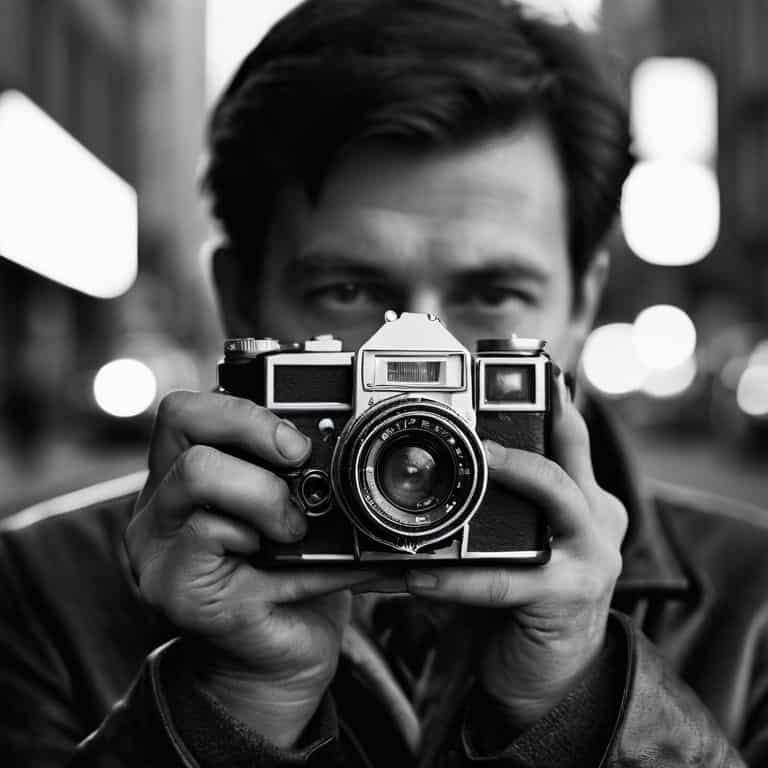
As I reflect on my own journey with high-contrast photography, I’m reminded of the importance of understanding light. It’s the foundation upon which all great photographs are built. When working with black and white film development, I’ve found that paying attention to the quality of light can make all the difference. Whether I’m shooting monochrome portrait photography or street photography, the way the light interacts with my subject is crucial.
In my experience, dramatic lighting can elevate a photograph from ordinary to extraordinary. When converting color to black and white, it’s essential to consider how the lighting will impact the final image. I’ve learned to look for scenes with strong contrasts between light and dark, as these often yield the most compelling results. By embracing high contrast photography techniques, I’ve been able to add depth and emotion to my photographs.
One of my favorite things about black and white photography is the way it can simplify a scene, drawing attention to the essence of the subject. When composing a shot, I try to focus on the underlying structure and texture of the image, rather than getting bogged down in details. This approach has helped me to create more nuanced and expressive photographs, and I believe it can do the same for you. By experimenting with different composition techniques, you can uncover new ways to tell stories through your photographs.
Converting Color to Monochrome Masterpieces
When I convert a color image to black and white, I’m not just removing the color – I’m uncovering a new layer of emotion. The absence of color allows the viewer’s eye to focus on the textures, shapes, and tones that make up the scene. I love experimenting with different conversion techniques to find the one that best reveals the story I want to tell. By adjusting the grayscale mix, I can emphasize certain elements, like the roughness of a weathered stone or the softness of a summer cloud.
My approach is to try various conversions, from simple desaturation to more advanced methods like channel mixing. This process helps me understand how different techniques can alter the mood and narrative of the image.
Mastering High Contrast Photography Techniques
As I delve into the world of high-contrast black and white photography, I’m reminded of the importance of understanding light. It’s not just about the technical aspects, but also about developing an eye for the way light interacts with your subject. I recall a shoot I did during golden hour, where the soft, warm light added a depth and dimension to the images that would have been impossible to replicate in any other condition. By mastering the interplay of light and shadow, you can create photographs that are not only visually striking but also emotionally resonant.
To achieve this, I recommend experimenting with different lighting setups and paying close attention to the way light falls on your subject. Don’t be afraid to get creative and try unconventional approaches – it’s often the unexpected perspectives that yield the most compelling results. By doing so, you’ll develop a keen sense of how to balance light and darkness, and your photographs will begin to take on a life of their own.
Unlocking the Power of High-Contrast: 5 Essential Tips for Black and White Photography
- Shoot during the golden hour for dramatic shadows and highlights, as this is when the light is soft and warm, creating a beautiful contrast
- Experiment with manual mode to control the exposure and aperture, allowing you to capture the full range of tones in your scene
- Pay attention to textures and patterns, as high-contrast black and white photography can accentuate these details and add depth to your images
- Don’t be afraid to push the boundaries of contrast in post-processing, but be mindful of preserving the natural tones and textures of your subject
- Look for scenes with strong geometric shapes and leading lines, as these can create striking compositions when captured in high-contrast black and white
Key Takeaways for Mastering High-Contrast Black and White Photography
I’ve found that shooting during the golden hour can add a dramatic flair to your high-contrast black and white photos, as the soft, warm light brings out the textures and depths of your subjects
Experimenting with different conversion techniques in post-processing can help you uncover the unique character of your images, whether it’s emphasizing the shadows or highlighting the subtle nuances of light and shade
Remember, the true magic of high-contrast black and white photography lies not just in the technical aspects, but in the ability to evoke emotions and tell stories through the interplay of light, composition, and the human experience
Embracing the Darkness and the Light
High-contrast black and white photography isn’t just about the technicality of the shot, it’s about capturing the essence of a moment, where shadows and light entwine to tell a story that transcends color.
Julian Kade
Embracing the Beauty of High-Contrast Black and White Photography
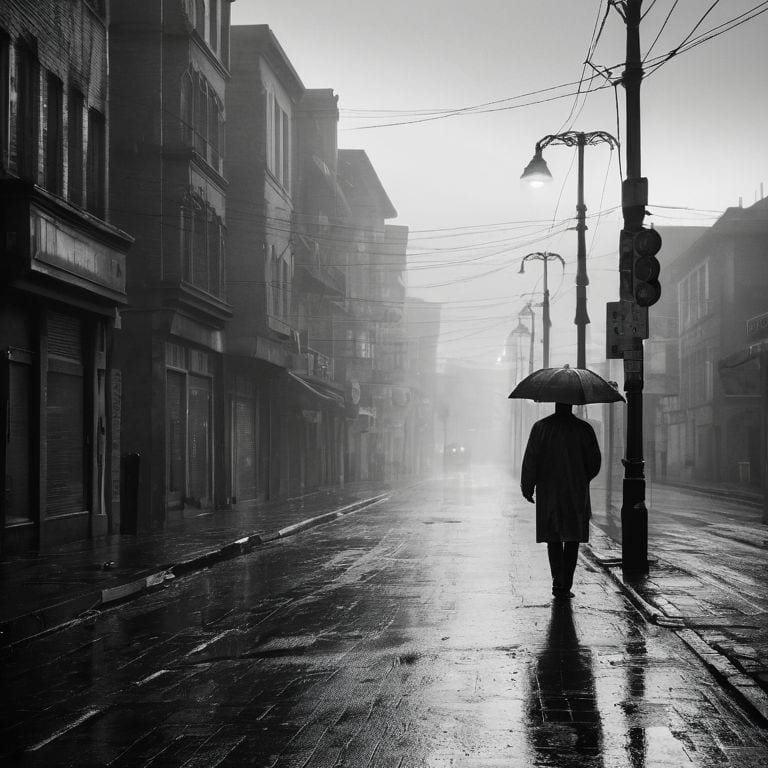
As we conclude this journey through the world of high-contrast black and white photography, let’s reflect on the key elements that make this genre so powerful. We’ve explored the importance of mastering high contrast photography techniques, from understanding the role of light and shadow to converting color images into stunning monochrome masterpieces. By applying these principles, you can add a new layer of depth and emotion to your photographs, inviting viewers to immerse themselves in the poetic power of your work. Remember, the art of photography is not just about capturing moments, but about telling stories that resonate with others.
As you continue to experiment with high-contrast black and white photography, I encourage you to stay curious and keep pushing the boundaries of your creativity. See the world with fresh eyes, and don’t be afraid to take risks and try new things. With practice and patience, you’ll develop your unique visual voice, and your photographs will become a testament to the transformative power of storytelling. So, go out there and capture the beauty in the everyday, and remember that the most powerful stories are often the ones that lie just beyond the shadows, waiting to be uncovered.
Frequently Asked Questions
How can I achieve the perfect balance between light and dark in my high-contrast black and white photographs?
For me, it’s all about embracing the dance between light and shadow. I look for scenes where the contrast is already present, like a backlit subject or a cityscape at dawn. Then, I adjust my camera settings to accentuate that contrast, often shooting in manual mode to get the perfect balance of light and dark.
What are some common mistakes to avoid when converting color images to high-contrast monochrome?
When converting to monochrome, I see many photographers overlook the impact of color casts – like the warm tones of skin or the cool tones of shadows. These can get lost in translation, leading to flat, uninteresting results. To avoid this, I always consider the color palette before conversion, adjusting my settings to preserve the emotional depth of the image.
How can I use high-contrast black and white photography to add emotional depth and storytelling to my portraits?
To me, high-contrast black and white photography is all about amplifying the emotional essence of a portrait. By stripping away color, you’re left with the raw, unbridled power of light and shadow, which can add incredible depth and storytelling to your images. I love how it can make a subject’s eyes seem to hold a thousand untold stories.