A Guide to Black and White Photography: Seeing in Monochrome
I still remember the first time I shot a roll of black and white film – it was like uncovering a hidden world. The timeless quality of those images has stuck with me to this day, and it’s what drives my passion for a guide to black and white photography. There’s a common myth that black and white photography is only for those who can’t handle color, but I believe that’s a misconception – the truth is, it’s an art form that requires a deep understanding of light and shadow.
As you dive into this world, you’ll quickly realize that it’s not just about removing color, but about telling a story through contrast, texture, and tone. In this article, I’ll share my personal approach to a guide to black and white photography, including the techniques I use to capture moody landscapes and intimate portraits. You’ll learn how to see the world in a whole new light, and how to convey emotion through your images. Whether you’re a seasoned photographer or just starting out, my goal is to provide you with practical advice and inspiration to help you unlock the full potential of black and white photography.
Table of Contents
- Guide Overview: What You'll Need
- Step-by-Step Instructions
- A Guide to Black and White Photography
- Uncovering the Essence: 5 Tips to Elevate Your Black and White Photography
- Timeless Lessons in Monochrome
- Embracing the Timeless Beauty
- Embracing the Timeless Beauty of Black and White
- Frequently Asked Questions
Guide Overview: What You'll Need
Total Time: 2 hours 30 minutes
Estimated Cost: $50 – $100
Difficulty Level: Intermediate
Tools Required
- Camera (with manual controls)
- Tripod (for stability)
- Light Meter (optional)
- Photo Editing Software (for post-processing)
Supplies & Materials
- Black and White Film (35mm or 120 format)
- Photography Paper (for printing)
- Photo Developer (for developing film)
- Enlarger (for printing enlargements)
- Photo Editing Materials (e.g., dodge tool, burn tool)
Step-by-Step Instructions
- 1. First, let’s start with understanding the fundamentals of black and white photography. It’s essential to recognize that monochrome images rely heavily on tonal range, which refers to the distribution of light and dark areas in a photograph. To capture stunning black and white images, you need to train your eye to see the world in terms of tones, rather than colors.
- 2. Next, I want you to experiment with different lighting conditions. Natural light, artificial light, and even golden hour can drastically change the mood and atmosphere of your black and white photographs. Try shooting during various times of the day to see how the light affects your images, and don’t be afraid to push the boundaries of what you think is possible.
- 3. Now, let’s talk about composition. When working with black and white photography, it’s crucial to focus on the visual weight of your subjects and the negative space around them. Look for leading lines, shapes, and textures that can add depth and interest to your images. Remember, the goal is to create a visually appealing photograph that tells a story, rather than just capturing a snapshot.
- 4. To take your black and white photography to the next level, you need to understand how to work with contrast. Contrast is what gives your images depth and dimension, and it’s especially important in monochrome photography. Look for scenes with a mix of light and dark areas, and experiment with high-contrast and low-contrast scenes to see what works best for your style.
- 5. Another critical aspect of black and white photography is texture and pattern. Since we’re working without colors, textures and patterns become even more important in adding visual interest to our images. Look for scenes with interesting textural elements, such as rough stone, smooth wood, or intricate fabrics, and experiment with capturing them in unique and creative ways.
- 6. Now that you have a good understanding of the basics, it’s time to experiment with different camera settings. When shooting in black and white, I always recommend using manual mode, as it gives you complete control over the exposure, aperture, and shutter speed. Don’t be afraid to push the limits of your camera and try new things – it’s often the unexpected shots that turn out to be the most interesting.
- 7. Finally, let’s talk about post-processing. While it’s true that some of the best black and white photographs are those that require minimal editing, it’s still important to understand how to enhance your images without overdoing it. Look for editing software that allows you to adjust the curve and gradient of your images, and experiment with different techniques to find what works best for your style. Remember, the goal is to enhance the story you’re telling, not to overpower it with excessive editing.
A Guide to Black and White Photography
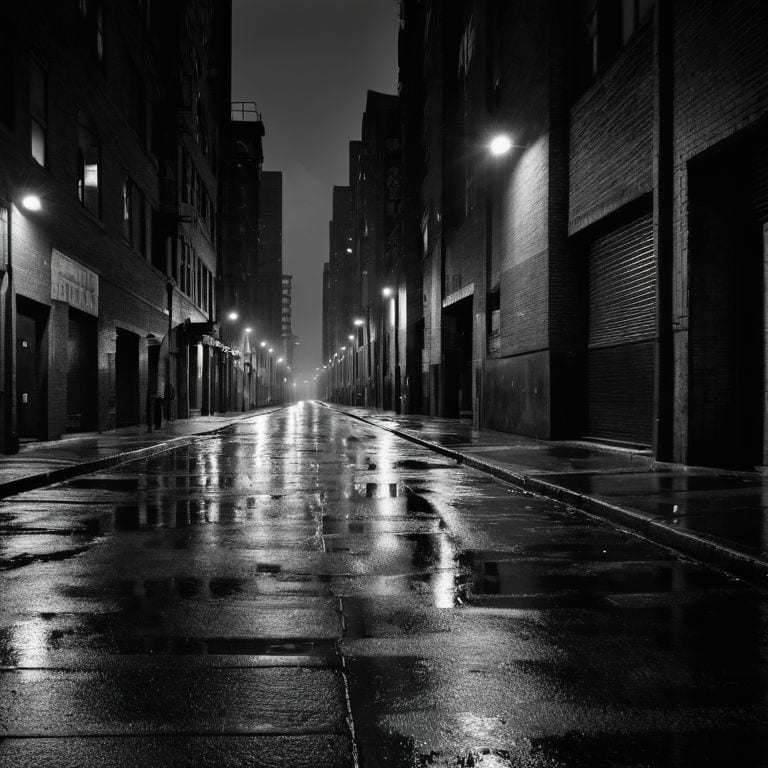
As I delve deeper into the world of monochrome photography, I’ve come to realize that mastering the art of contrast is crucial for creating striking images. One technique I often employ is high contrast photography, where I purposefully accentuate the difference between light and dark areas to add depth and dimension to my shots. This approach is particularly effective in urban landscape photography, where the interplay of light and shadow can reveal the hidden rhythms of a city.
When it comes to converting color to black and white, I always consider the emotional impact of the image. By stripping away the distraction of color, I can focus on the essence of the moment, and allow the viewer to connect with the subject on a deeper level. This is especially true in black and white portrait photography, where the subtleties of expression and gesture can be lost in a colorful environment.
In my own workflow, I rely on black and white photography editing software to fine-tune my images and enhance the interplay of shadows and light. By carefully adjusting the tone curve and contrast, I can coax out the hidden stories within each frame, and create a sense of atmosphere that draws the viewer in. Whether I’m shooting in the golden hour or under the harsh light of midday, my goal is always to capture the timeless quality of a moment, and to invite the viewer to step into the world of my creation.
Beyond the Gray Monochrome Photography Tips
When I’m out on a shoot, I love experimenting with different perspectives to add depth to my black and white photos. Shooting from low or high angles can completely transform the mood of an image. I recall one time when I was photographing a street performer – by getting down low and shooting upwards, I was able to capture the movement and energy of the performance in a way that felt truly immersive.
For me, the key to great monochrome photography is all about capturing the play of light and shadow. I’m obsessed with the way a single beam of light can illuminate a subject, bringing out textures and contours that would be lost in color. By paying attention to the way light interacts with my subject, I can create images that feel rich and nuanced, even in the absence of color.
Converting Color to Timeless Black and White
When I convert a color image to black and white, I’m not just desaturating the colors – I’m uncovering a new narrative. The absence of color forces the viewer’s eye to focus on texture, tone, and composition. I recall a shot I took of a rainy city street, the neon lights reflecting off the wet pavement. In color, it was a chaotic mess, but in black and white, the scene transformed into a moody, timeless tale of urban life. The key is to look for images with strong contrasts and textures, as these will translate beautifully into monochrome.
I often shoot in color first, then convert to black and white in post-processing. This allows me to visualize the scene in color, while still having the flexibility to refine the image in monochrome. By doing so, I can emphasize the emotional depth of the scene, rather than just its visual appeal. It’s a subtle distinction, but one that can make all the difference in creating a truly compelling black and white photograph.
Uncovering the Essence: 5 Tips to Elevate Your Black and White Photography
- Embrace the interplay of light and shadow, as it’s the foundation of a compelling black and white image – I recall a shoot where the golden hour transformed a mundane scene into a masterpiece
- Experiment with different conversion techniques, but remember, the goal is to tell a story, not just to remove color – I’ve found that preserving the nuances of human emotion is key
- Pay attention to textures and patterns, as they become more pronounced in monochrome and can add depth to your photographs – a vintage lens can make all the difference in capturing these details
- Shoot in RAW and manual mode to have full control over your image, allowing for a more precise conversion to black and white – it’s a habit I developed from shooting with film
- Look for simplicity and negative space to create visually striking compositions that guide the viewer’s eye – sometimes, the most powerful stories are told in the silence between the frames
Timeless Lessons in Monochrome
I’ve learned that the essence of black and white photography lies not in the technicalities, but in its ability to strip away distractions, revealing the raw emotion and story within an image
Mastering the art of converting color to black and white requires a deep understanding of light and shadow, and how these elements can be used to create depth and mood in a photograph
Ultimately, the key to captivating black and white photography is not about following rules or formulas, but about developing your own unique voice and vision, and using the medium to tell the stories that resonate with you
Embracing the Timeless Beauty
Black and white photography isn’t just about stripping away color, it’s about revealing the essence of a moment, where light and shadow conspire to tell a story that transcends time.
Julian Kade
Embracing the Timeless Beauty of Black and White
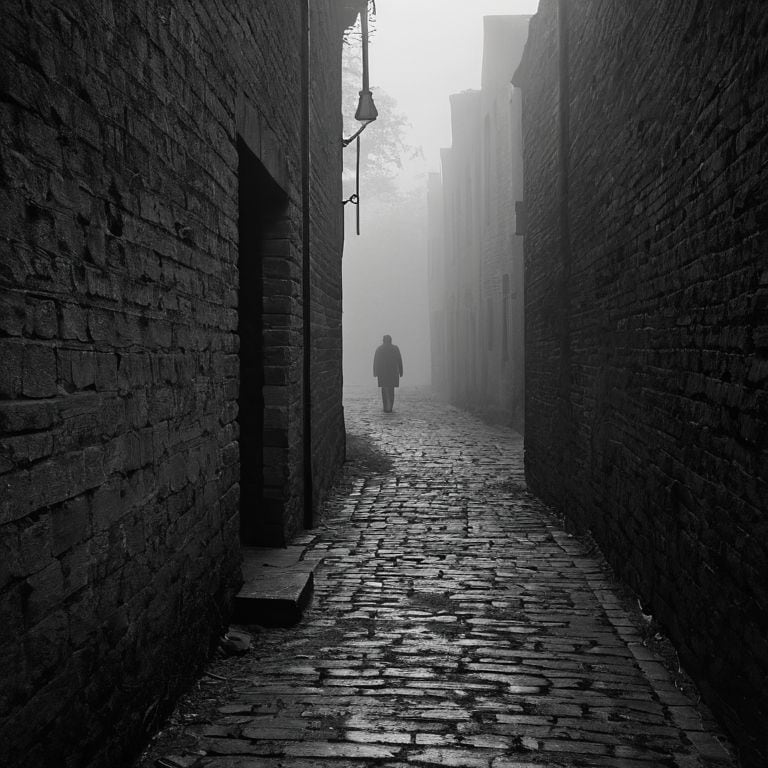
As we conclude this journey through the world of black and white photography, remember that the key to mastering this art form lies in understanding the interplay of light and shadow. We’ve explored the fundamentals of converting color images to monochrome, and delved into the tips and tricks for capturing stunning black and white photographs. From the importance of composition and texture to the role of contrast in creating visually appealing images, each element plays a crucial role in telling a story that transcends time. By embracing these principles, you’ll be well on your way to unlocking the secrets of black and white photography.
As you continue to explore the realm of black and white photography, I encourage you to stay true to your creative vision and keep experimenting with different techniques. Remember, the beauty of black and white photography lies in its ability to strip away distractions and reveal the essence of a moment. So, keep shooting, keep pushing the boundaries, and most importantly, keep seeing the world in all its timeless beauty. The stories are out there, waiting to be captured – one frame at a time.
Frequently Asked Questions
How do I decide which images will work best in black and white?
For me, it’s all about the play of light and shadows. I look for images with strong contrasts, textures, and emotive moments. Ask yourself, does the scene have a clear subject, or is it more about the atmosphere? If the colors aren’t adding to the story, but the tones and textures are, that’s when I know an image will shine in black and white.
What are some common mistakes to avoid when converting color photos to black and white?
When converting to black and white, I see many photographers overlook the importance of tone and texture. They forget that colors with similar brightness will blend together in monochrome, losing definition. To avoid this, I always consider how the colors will translate to shades of gray, and adjust my conversion settings accordingly.
Can you share some tips for capturing interesting textures and patterns in black and white photography?
I’m obsessed with capturing textures and patterns in black and white – it’s like the world becomes a tactile tapestry. Look for contrasting tones, like rough stone against smooth metal, and get up close to emphasize the details. I love using my vintage lenses to add a touch of grit and character to these shots.