An Explainer: What Is Foley in Sound Design?

I still remember the first time I worked on a film project and someone told me that what is foley in sound design was just about adding some extra sound effects to make the scene more believable. I was frustrated because it sounded so oversimplified – as if the entire process could be reduced to just slapping some noises together. But as I delved deeper into the world of foley, I realized that it’s actually an incredibly nuanced art form that can make or break the immersive quality of a scene.
As someone who’s passionate about demystifying the filmmaking process, I want to share my experience with you and show you that foley is not just about sound effects – it’s about creating a rich, sensory experience that draws the viewer in. In this article, I’ll take you through the process of uncovering the magic of foley, from understanding its role in the overall sound design to practical tips on how to create your own foley effects. My goal is to give you a no-nonsense, hands-on guide to foley, so you can start using it to elevate your own film projects and bring your stories to life.
Table of Contents
Unlocking Foley Secrets
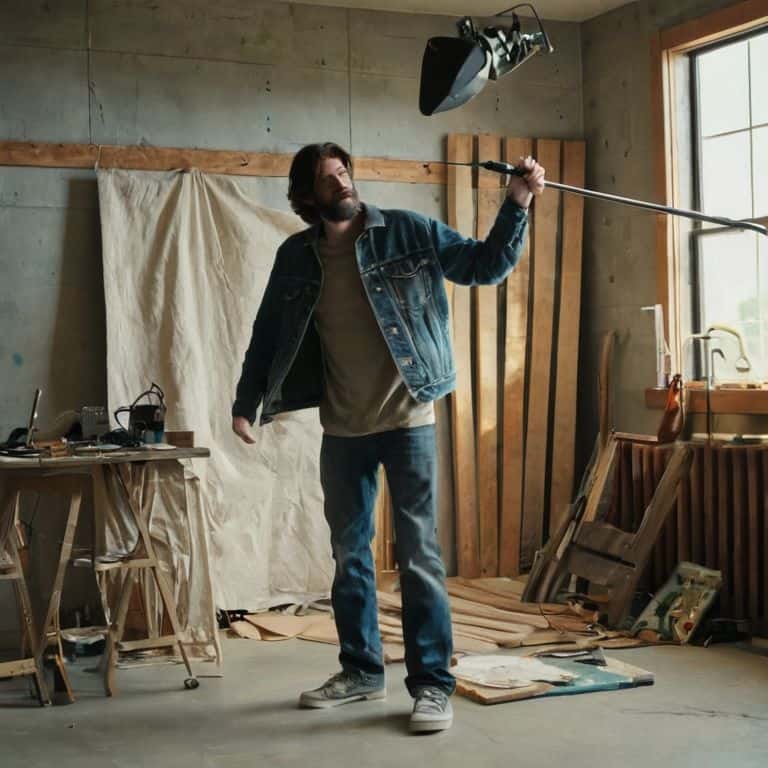
As I delve into the world of foley, I’m reminded of the practical sound effects techniques that bring a film to life. A foley artist’s role in filmmaking is to create an immersive experience, and it’s astonishing how something as simple as the sound of footsteps or rustling clothing can transport an audience to a different time and place. I recall working on a short film where the foley artist added the sound of a character’s jacket scraping against a wall, and it completely changed the tone of the scene.
When it comes to creating realistic sound effects, it’s all about experimentation and creativity. I’ve seen foley artists use everything from vegetables to fabric to create unique sounds. For indie films, where budgets can be tight, recording foley sounds at home can be a game-changer. With a little imagination and some basic equipment, you can start building your own foley library and adding depth to your films.
The importance of foley in audio post production cannot be overstated. It’s a crucial step in bringing a film’s world to life, and it’s often what sets professional productions apart from amateur ones. By investing time and effort into foley, filmmakers can create a rich, immersive experience that draws the audience in and refuses to let go. Whether you’re working on a blockbuster or a low-budget indie, sound design for indie films is an area where foley can make a huge impact.
Practical Sound Effects Techniques
When it comes to creating realistic sound effects, practical techniques are essential. As a filmmaker, I’ve found that recording sounds on location or in a studio can make a huge difference in the overall audio quality. For example, instead of using a generic door creak sound effect, I’ll record the actual door creaking to get a more authentic sound.
To take it to the next level, I’ll often use Props to create unique sound effects. This can be anything from using a bag of potatoes to create a punching sound to recording the sound of walking on different textures to create a sense of immersion. By experimenting with different props and techniques, you can add depth and realism to your sound design.
The Foley Artists Role Revealed
As I delve into the world of foley, I’m reminded of the crucial role that foley artists play in bringing a film to life. They are the masters of creating and recording custom sound effects that enhance the audio of a production. From the sound of footsteps to the rustling of clothes, every detail is carefully crafted to create an immersive experience.
The foley artist’s task is to weave sound magic into the fabric of the film, making the visuals more believable and engaging. By adding these subtle sound effects, they can entirely change the mood and atmosphere of a scene, drawing the audience in and refusing to let go.
What Is Foley in Sound Design
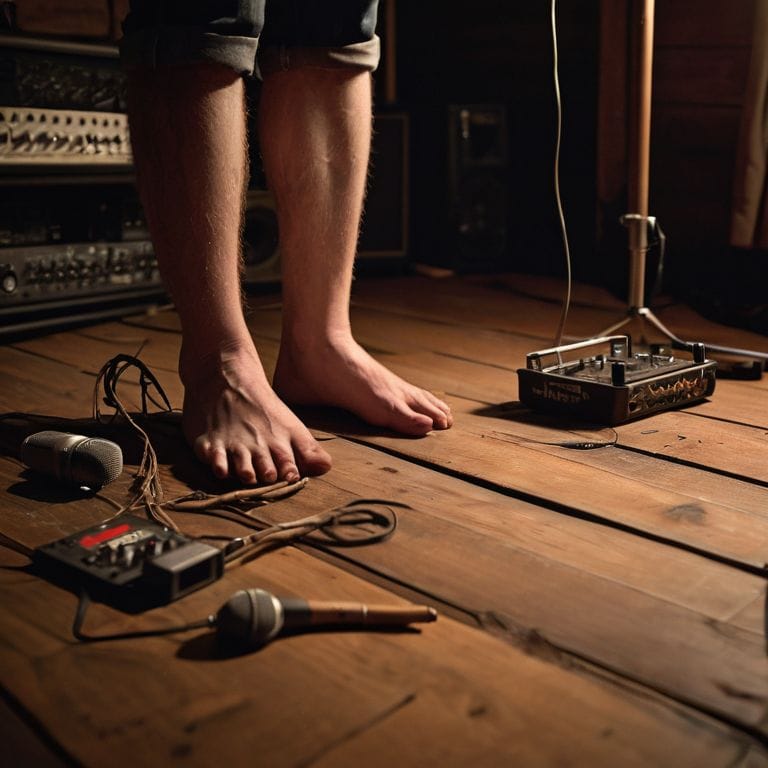
As I delve into the world of sound design, I’m reminded that creating realistic sound effects is an art form in itself. It’s the subtle details that make a scene feel authentic, and that’s where foley comes in. I recall working on a documentary where the sound of footsteps on a wooden floor was crucial to setting the tone. Our foley artist used a combination of practical sound effects techniques to capture the perfect sound, from the creak of the wood to the soft thud of each step.
The foley artist role in filmmaking is often underestimated, but it’s a vital part of the audio post-production process. A good foley artist can elevate a scene from mundane to mesmerizing. I’ve seen it happen in my own films, where a simple sound effect like the rustling of leaves or the clinking of dishes can transport the viewer to a different world. It’s all about recording foley sounds at home or in a studio, and then carefully editing them to create a seamless audio experience.
In indie films, where budgets are often tight, sound design for indie films becomes even more crucial. It’s not just about adding sound effects, but about crafting a sonic landscape that immerses the viewer. By using creative recording foley sounds at home techniques and experimenting with different materials, filmmakers can create unique sound effects that enhance the overall narrative. As someone who’s passionate about demystifying the filmmaking process, I believe that understanding the importance of foley in audio post production is essential for any aspiring filmmaker.
Creating Realistic Sound Effects Magic
To create realistic sound effects, I always look for ways to capture the essence of the action on screen. This means thinking beyond just the obvious sounds and considering the subtle textures and movements that bring a scene to life. For example, when editing a scene of someone walking through a forest, I might add the sound of leaves crunching, twigs snapping, and fabric rustling to create a more immersive experience.
By using creative experimentation, I can uncover unique sound effects that elevate the entire film. This might involve recording unusual objects, like tapping on a metal pipe or scraping a piece of wood, to create a one-of-a-kind sound that perfectly complements the visual elements.
Recording Foley at Home for Indie Films
When it comes to recording foley at home, I always say that attention to detail is key. You don’t need a fancy studio to capture high-quality sound effects, but you do need to be mindful of the environment and the equipment you’re using. For indie films, recording foley at home can be a cost-effective and creative solution.
To get started, you’ll need to invest in some basic equipment, such as a good microphone and a digital audio workstation. Then, it’s all about experimenting with different techniques to find the right sound for your film. Whether you’re recording the sound of footsteps or the rustling of clothes, the goal is to create a realistic and immersive audio experience that complements your visuals.
Bringing Your Film to Life: 5 Essential Foley Tips
- Record organic sounds: Capture the authentic textures of everyday objects to add depth to your scenes
- Experiment with unconventional materials: Think beyond traditional foley props and get creative with unusual items to create unique sound effects
- Pay attention to rhythm and timing: Foley sounds should be in sync with the action on screen to create a believable experience
- Keep it subtle: Remember that foley is meant to enhance the scene, not overpower it – less is often more when it comes to sound design
- Invest in high-quality recording equipment: Good microphones and recorders can make all the difference in capturing crisp, clean foley sounds that elevate your film
Key Takeaways from Unlocking the Power of Foley
By incorporating custom sound effects, filmmakers can elevate their project’s audio and create a more immersive experience for their audience
Foley artists play a crucial role in sound design, using practical techniques to record and edit sound effects that enhance the visual elements of a film
Whether recording at home or in a professional studio, the art of foley can be accessible to indie filmmakers, allowing them to add depth and realism to their stories without breaking the bank
The Heartbeat of Film
Foley is the invisible art that brings a film to life, where the slightest sound of a character’s footsteps or the rustle of their clothes can transport the audience into the world of the story, making the visuals more believable and the emotions more palpable.
Maya Jenson
The Sound of Perfection: A Conclusion on Foley in Sound Design
As we’ve explored the world of foley in sound design, it’s clear that creating immersive audio is an art form that requires patience, skill, and attention to detail. From practical sound effects techniques to the role of the foley artist, we’ve seen how this subtle yet powerful element can elevate a film from good to great. By understanding the process of recording foley at home, indie filmmakers can now bring a new level of professionalism to their projects. Whether you’re a seasoned pro or just starting out, the key to mastering foley lies in experimentation and a willingness to push the boundaries of what’s possible.
So as you embark on your own sonic journey, remember that the right sound can make all the difference in transporting your audience to new and exciting worlds. Don’t be afraid to get creative and try new things – the art of foley is all about embracing the unknown and finding the magic in the everyday. With practice, patience, and a passion for storytelling, you’ll be well on your way to crafting films that resonate deeply with your audience and leave a lasting impression long after the credits roll.
Frequently Asked Questions
How do I effectively use foley to enhance the emotional impact of a scene in my film?
To boost emotional impact, I use foley to create an immersive experience. For example, adding subtle footsteps or rustling clothes can make a character’s entrance feel more intimate. I also experiment with unconventional sounds to evoke emotions, like using a violin string to create an eerie ambiance. It’s all about finding the right sonic texture to elevate the scene.
What are some common foley techniques used to create realistic sound effects for characters' movements and interactions?
For me, it’s all about nuance – like, have you ever tried recording the sound of fabric rustling or footsteps on different textures? It’s amazing how much depth it adds to a scene. I love experimenting with props and surfaces to create unique foley sounds, like tapping on wood or sliding on gravel, to bring characters to life.
Can I use everyday objects to create foley sound effects, or do I need specialized equipment and a dedicated recording space?
Absolutely, you can use everyday objects to create foley sound effects. I’ve made rain sounds with rice in a metal colander and ocean waves with a plastic bag. Get creative and experiment – it’s all about finding the right texture and tone to enhance your scene.