7 Common Filmmaking Mistakes for Beginners to Avoid
I still remember the frustration I felt when I first started out in filmmaking, struggling to avoid common filmmaking mistakes for beginners. It seemed like no matter how much I planned, I’d always end up with a blooper reel that could rival the actual film. But here’s the thing: those mistakes weren’t just hilarious mishaps – they were also costly and time-consuming to fix. As a documentary filmmaker, I’ve learned that it’s not just about pointing a camera and hoping for the best; it’s about understanding the intricacies of storytelling and the technical aspects that bring your vision to life.
In this article, I’ll share my honest, no-hype advice on how to avoid the most common pitfalls that can make or break your documentary dream. From pre-production to post-production, I’ll guide you through the process of creating a compelling narrative, finding the emotion and rhythm in your footage, and editing it into a cohesive story. Whether you’re a beginner or just looking to refine your skills, this guide will provide you with practical tips and real-world examples to help you create a film that resonates with your audience. So, let’s dive in and explore the world of filmmaking, and I’ll show you how to turn your passion project into a polished, professional film.
Table of Contents
Guide Overview: What You'll Need
Total Time: 1 hour 15 minutes
Estimated Cost: $0 – $0
Difficulty Level: Easy
Tools Required
- Camera (any type, for practice)
- Computer (with video editing software)
- Storyboarding Paper (for planning)
- Pen (or pencil, for notes)
Supplies & Materials
- Extra Batteries (for camera)
- Tripod (for stabilizing camera, optional)
- Lighting Kit (basic, for indoor shoots)
- Sound Recorder (optional, for better audio)
Step-by-Step Instructions
- 1. First, let’s talk about the importance of pre-production planning. As a documentary filmmaker, I’ve learned that a well-planned shoot can make all the difference in the editing room. Take the time to develop a solid concept, script, and storyboard, and make sure you have a clear understanding of your story’s narrative arc and emotional resonance. This will help you stay focused and ensure that you’re capturing the right footage to tell your story.
- 2. Next, it’s essential to understand the role of sound design in your film. As someone who’s obsessed with sound, I can tell you that it’s 50% of the film’s overall impact. Invest in good quality audio equipment, and make sure you’re recording high-quality sound on set. This will save you a lot of time and hassle in post-production, and will ultimately elevate your film’s overall production value.
- 3. Now, let’s move on to the actual shooting process. When it comes to camera movement, it’s essential to have a clear understanding of how you want to use movement to tell your story. Avoid unnecessary camera movements, and make sure you’re using each movement to serve a purpose, such as emphasizing a character’s emotion or creating tension. Remember, the goal is to create a visually stunning film that draws the viewer in.
- 4. As you’re shooting, it’s also important to think about color grading and how it will impact the overall mood and tone of your film. Consider the color palette you want to use, and make sure you’re capturing footage that will allow you to achieve the desired look in post-production. This will help you create a cohesive visual style that enhances your story and draws the viewer in.
- 5. Once you’ve finished shooting, it’s time to start editing. This is where the magic happens, and your film really starts to take shape. When it comes to pacing, it’s essential to find a rhythm that works for your story. Experiment with different editing styles, and make sure you’re using your edits to create tension, suspense, or emotional resonance. Remember, the goal is to create a film that flows smoothly and keeps the viewer engaged.
- 6. As you’re editing, it’s also important to think about story structure and how you can use it to create a compelling narrative. Consider the classic three-act structure, and think about how you can use it to create a clear beginning, middle, and end. Make sure you’re introducing conflicts and challenges, and that you’re resolving them in a way that feels satisfying and emotionally resonant.
- 7. Finally, don’t underestimate the power of music in your film. A well-chosen soundtrack can elevate your film’s emotional impact and create a lasting impression on your viewer. Choose music that complements your story and enhances the mood and tone you’re trying to create. Avoid using music that’s too on-the-nose or clichéd, and experiment with different genres and styles to find the perfect fit for your film.
Common Mistakes Beginners Make
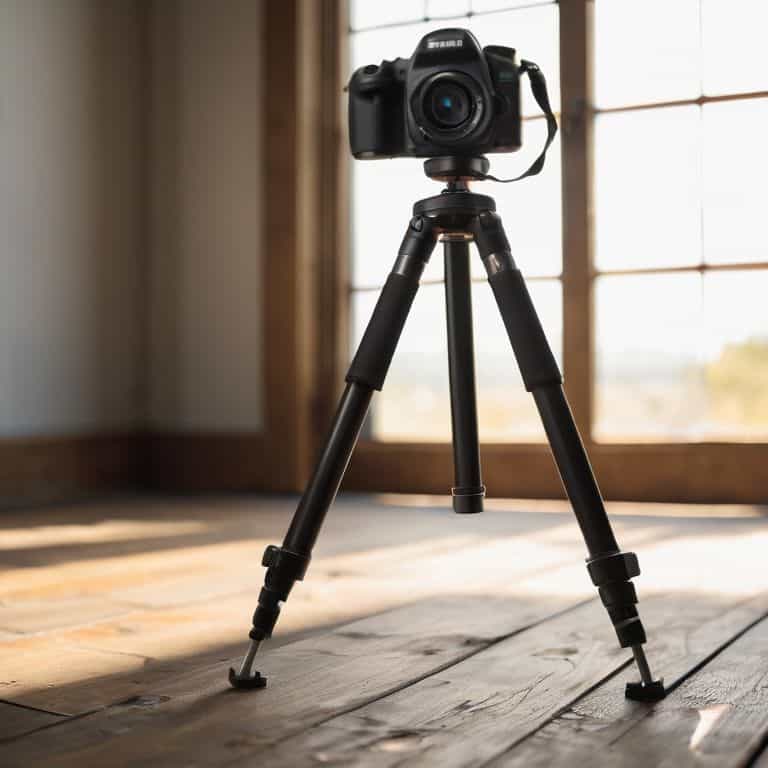
As I reflect on my own journey as a documentary filmmaker, I realize that investing in a tripod was a game-changer for me. It allowed me to stabilize my camera and capture smooth, professional-looking footage. However, I’ve seen many beginners neglect this crucial step, resulting in shaky and unwatchable footage.
One of the most critical mistakes new filmmakers make is not paying attention to audio recording techniques. Good sound quality is just as important as good visuals, and it’s often overlooked until it’s too late. I’ve learned to always prioritize audio, whether it’s using external microphones or recording in a quiet environment.
When it comes to editing mistakes to avoid, I always stress the importance of storyboarding for beginners. Having a clear plan and vision for your film can help you avoid common pitfalls like disjointed scenes or poor pacing. By taking the time to storyboard your film, you can ensure a cohesive and engaging narrative that will keep your audience invested.
Avoiding Shaky Footage With Tripods
When I first started out, I thought I could get away with handheld shots all the time. But let’s get real, shaky footage can be a major distraction. That’s where tripods come in – they’re a total game-changer. By using a tripod, you can ensure your shots are smooth and stable, which is especially important for interviews or scenes where you need to convey a sense of calm.
I’ve learned to always prioritize tripods, especially when working with natural light. It’s amazing how much of a difference it can make in the overall quality of your film. Even if you’re working with a small crew or on a tight budget, there are plenty of affordable tripod options available. Trust me, it’s worth the investment – your footage (and your audience) will thank you.
Storyboarding for Natural Light
When I’m planning a shoot, I always consider the role of natural light in my storyboarding process. It’s amazing how a well-placed sunrise or sunset can elevate the emotional impact of a scene. I recall a project where I intentionally scheduled interviews during the golden hour, and the resulting footage was nothing short of magical. By storyboarding with natural light in mind, you can create a visual narrative that’s not only aesthetically pleasing but also deeply resonant with your audience.
To make the most of natural light, I recommend scouting locations at different times of day to see how the light falls. This will help you plan your shots and schedule your shoot accordingly. Trust me, it’s worth the extra effort – there’s nothing quite like the warmth and depth that natural light can bring to your film.
Beyond the Basics: 5 Filmmaking Faux Pas to Watch Out For
- Overlooking the Importance of Sound Design: I still remember my early days as a filmmaker when I thought sound was an afterthought – boy, was I wrong. Invest in good quality microphones and don’t be afraid to get creative with your audio
- Failing to Plan for Lighting: Natural light can be a filmmaker’s best friend, but it can also be a nightmare if not planned for. Make sure to storyboard your shots according to the time of day and weather conditions
- Not Leaving Room for Improvisation: As a documentary filmmaker, I’ve learned that some of the best moments come from spontaneity. Don’t be too rigid with your shot list – leave some space for the unexpected
- Neglecting the Power of Color Grading: Color can completely change the mood and atmosphere of your film. Don’t underestimate the power of a well-crafted color palette – it can make or break the emotional impact of your story
- Editing Without a Clear Narrative Arc: I’ve seen it time and time again – a film with great footage, but a disjointed narrative. Remember, the edit is where the magic happens, so take the time to craft a compelling story that flows
Key Takeaways for Aspiring Filmmakers
Embracing the art of editing as a storytelling tool, rather than just a technical process, can elevate your film from a collection of clips to a cohesive, emotionally resonant narrative
Mastering the basics of cinematography, such as leveraging natural light and stabilizing your camera, can significantly improve the visual quality and professionalism of your documentary
Understanding the interplay between sound design, color grading, and pacing is crucial for creating a film that engages your audience on multiple sensory levels and leaves a lasting impression
A Word of Wisdom
The biggest mistake beginners make is thinking that a great film is made in the camera, when in reality, it’s forged in the fire of the edit room, where every cut, every color grade, and every sound design choice can make or break the emotional impact of your story.
Maya Jenson
Conclusion: Bringing Your Vision to Life
As we’ve explored the common filmmaking mistakes for beginners, it’s clear that mastering the basics is crucial for bringing your vision to life. From storyboarding for natural light to avoiding shaky footage with tripods, each technique plays a vital role in shaping your narrative. By being mindful of these potential pitfalls, you can focus on crafting a compelling story that resonates with your audience. Remember, the devil is in the details, and it’s often the smallest oversights that can make or break your film.
As you embark on your filmmaking journey, I encourage you to stay curious, keep experimenting, and always push the boundaries of what’s possible. The art of storytelling is a continuous learning process, and it’s okay to make mistakes along the way. The key is to learn from them and use them as opportunities for growth. So, go ahead, grab your camera, and start telling the stories that need to be told. With dedication, passion, and a willingness to learn, you can create films that inspire, educate, and leave a lasting impact on your audience.
Frequently Asked Questions
What are some common mistakes beginners make when it comes to audio recording and sound design in filmmaking?
One rookie mistake I still see is neglecting to capture high-quality audio on set, then trying to fix it in post. Trust me, it’s a headache. Invest in a good external mic and take the time to get clean, crisp recordings – it’s 50% of your film’s emotional impact, after all!
How can I effectively use color grading to enhance the mood and atmosphere of my film without overdoing it?
For me, color grading is all about evoking emotion. I like to think of it as the invisible thread that weaves the narrative together. To avoid overdoing it, I suggest starting with a clear vision for your film’s mood and atmosphere, then using subtle tweaks to enhance the natural hues, rather than drastically altering them.
What are some tips for avoiding distracting camera movements and choosing the right frame rates for my documentary footage?
For smooth camera movements, I swear by using a gimbal or a steady cam rig. When it comes to frame rates, I’m a fan of 24fps for a cinematic feel, but 30fps can be great for interviews or observational footage – it’s all about finding the right rhythm for your story.