A Guide on How to Dye Fabric With Avocado Pits for a Pink Color
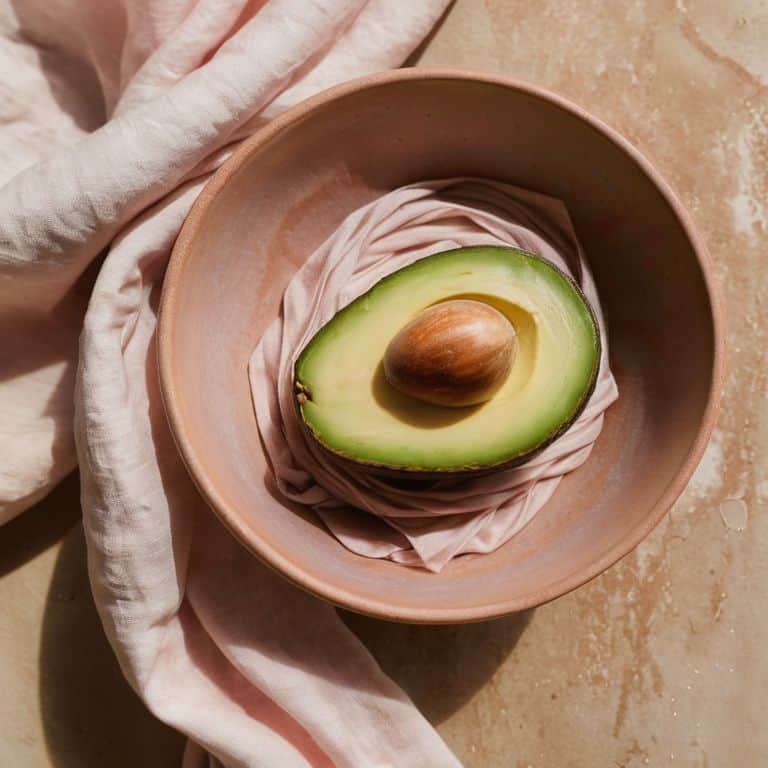
As I sit in my workshop, surrounded by the gentle scent of wood shavings and the soft glow of natural light, I often find myself pondering the beauty of imperfection. It’s a theme that resonates deeply with me, especially when it comes to how to dye fabric with avocado pits for a pink color. So many of us have been led to believe that achieving this unique hue requires a slew of complicated steps and harsh chemicals, but I’m here to tell you that’s simply not the case. In fact, the process is surprisingly straightforward, and the results are nothing short of enchanting.
In this article, I’ll be sharing my personal approach to dyeing fabric with avocado pits, one that emphasizes simplicity, patience, and a deep respect for the natural world. You can expect to learn the essential steps required to transform your old t-shirts, scarves, or any other fabric of your choice into vibrant, one-of-a-kind pieces that tell a story. From preparing the avocado pits to carefully monitoring the dyeing process, I’ll guide you through each stage with clarity and precision, ensuring that you’re equipped with the knowledge and confidence to create something truly special.
Table of Contents
Guide Overview: What You'll Need
Total Time: 2 hours 30 minutes
Estimated Cost: $10 – $20
Difficulty Level: Easy
Tools Required
- Large pot (at least 3-quart capacity)
- Colander or strainer
- Measuring cups (1 cup and 2 cup)
- Wooden spoon (for stirring)
- Rubber gloves (optional)
- Old sheets or towels (for protection from stains)
Supplies & Materials
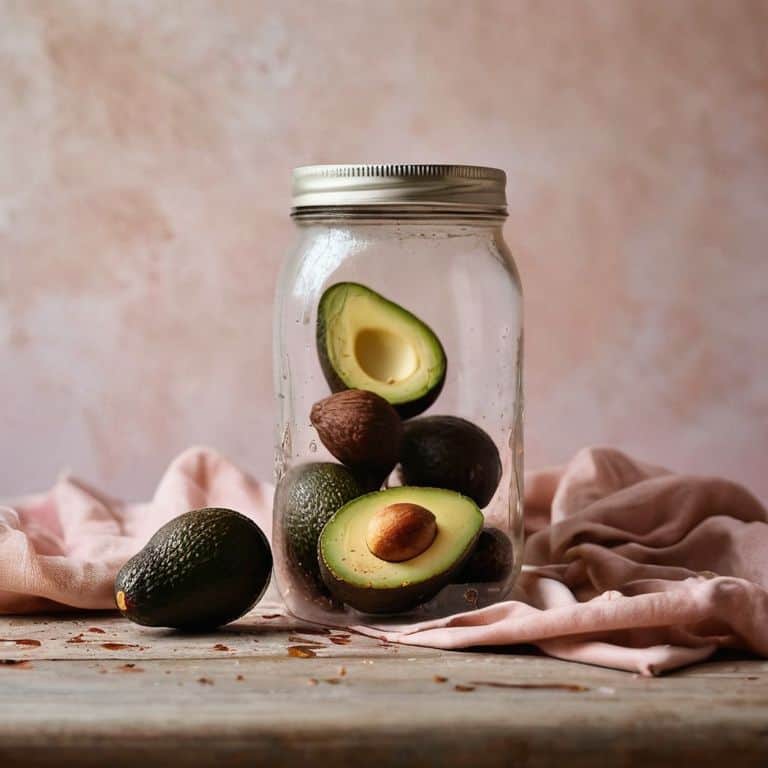
- Avocado pits (about 6-8 for a medium shade of pink)
- Water (enough to cover the avocado pits and fabric)
- White vinegar (1 cup)
- Alum (aluminum sulfate) (1 tablespoon, optional as a mordant)
- Fabric to dye (natural fibers like cotton, linen, or silk work best)
- Salt (1 tablespoon, to help with color fixation)
Step-by-Step Instructions
- 1. To start our natural dyeing journey, let’s begin by gathering the necessary materials, which include avocado pits, a large pot, water, and the fabric you wish to dye. It’s essential to choose the right fabric, as natural fibers like cotton, linen, and silk work best with this method.
- 2. Next, we need to prepare our avocado pits. This involves drying them out completely, which can take a few days to a week, depending on the environment. You can speed up the process by placing them in a low-temperature oven or by leaving them in a warm, dry spot. Once they are dry, grind them into a fine powder using a mortar and pestle or a spice grinder. This powder is the key to our natural dye.
- 3. Now, let’s create the dye bath. In a large pot, combine 1 cup of the powdered avocado pit with 2 cups of water. Bring this mixture to a boil, then reduce the heat and let it simmer for about an hour. This process is crucial as it allows the color compounds to seep into the water, creating our natural dye.
- 4. While our dye bath is simmering, prepare your fabric by washing and drying it. This step ensures that the fabric is clean and free of any finishes that might affect the dye. It’s also a good idea to add a fixative to the fabric before dyeing to help the color bind better. You can use natural fixatives like vinegar or lemon juice.
- 5. After our dye bath has simmered for an hour, remove it from the heat and let it cool down slightly. It’s now time to add our fabric to the pot. Make sure the fabric is completely submerged in the dye bath. If necessary, you can weigh it down with a plate or a stone. The longer you leave the fabric in the dye, the deeper the color will be, so this is a great opportunity to experiment with different shades.
- 6. Once you’ve achieved the desired color, carefully remove the fabric from the dye bath and rinse it gently with cold water to stop the dyeing process. Then, wash the fabric in warm water with a mild detergent to remove any excess dye. This step is important to ensure the color stability and to make the fabric safe to wear or use.
- 7. The final step is to dry your newly dyed fabric. It’s best to air dry it or use a low heat setting on your dryer to prevent fading. And that’s it! You’ve successfully given new life to an old piece of fabric using avocado pits as a natural dye. This project is not just about creating something beautiful; it’s also about embracing sustainability and telling a story through the things you make.
Unveiling Avocado Pit Magic
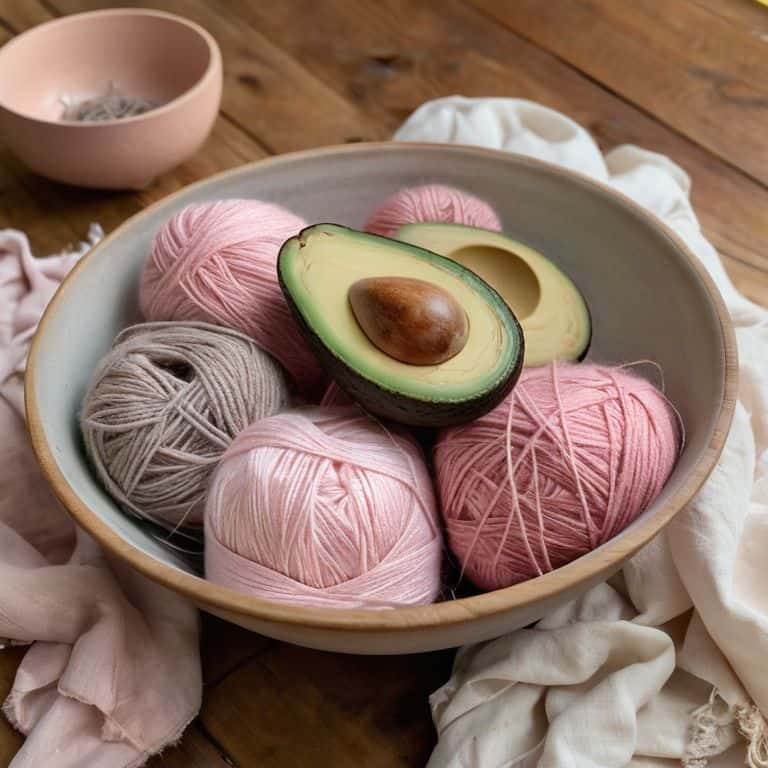
As I continue to experiment with the avocado pit dye recipe, I’m fascinated by the nuances of this natural fabric dyeing process. The subtle variations in color that emerge from using kitchen scraps for dye are a testament to the beauty of imperfection. By embracing the unpredictability of this method, we can create unique, one-of-a-kind textiles that tell a story.
The sustainable fashion movement is all about reducing waste and promoting eco-friendly practices, and diy textile dyeing at home is a great way to contribute to this cause. By utilizing avocado pits, which would otherwise be discarded, we’re not only reducing waste but also creating a beautiful, natural dye. The result is a soft, pink hue that’s perfect for adding a touch of warmth to any fabric.
As you explore the world of natural dyeing, you’ll discover that avocado pit dye color variations can range from soft pinks to deep corals, depending on the ratio of pits to water and the duration of the dyeing process. By experimenting with different combinations, you can unlock a wide range of possibilities and create a truly personalized palette. This natural fabric dyeing process is not just about achieving a specific color, but about embracing the journey and the story behind each handmade piece.
Avocado Pit Dye Recipe Uncovered
As I delved deeper into the world of natural dyes, I found that the key to unlocking the perfect shade of pink lies in the ratio of avocado pits to water. I’ve experimented with various combinations, and my favorite recipe involves simmering 3-4 pits in 2 cups of water for about an hour. This gentle coaxing of color from the pits is almost meditative, as the liquid transforms into a soft, blush-like hue.
The resulting dye is not just a color, but a story of patience and observation. I love watching the fabric absorb the pigment, slowly taking on a life of its own. With this recipe, you’ll be able to achieve a range of pink shades, from soft pastels to richer, more vibrant tones. It’s a truly unique and rewarding process that invites you to slow down and appreciate the beauty of handmade craftsmanship.
Natural Fabric Dyeing With Kitchen Scraps
As I delve deeper into the world of natural fabric dyeing, I’m constantly amazed by the hidden treasures in our kitchens. Avocado pits are just the beginning – onion skins, turmeric, and even coffee grounds can be used to create a wide range of hues. I love experimenting with different combinations to see what unique shades I can discover. It’s a process that requires patience, but the end result is well worth it.
By repurposing kitchen scraps, we’re not only reducing waste but also infusing our creations with a story. Every hand-dyed fabric has a history, a narrative that’s woven into its very fibers. Whether it’s a faded yellow from turmeric or a deep brown from coffee, each color tells a tale of its own. And that, to me, is the true magic of natural dyeing.
Weaving Avocado Magic: 5 Essential Tips for a Perfect Pink Hue
- Start with a gentle touch: Use ripe avocado pits for the best color release, and be patient, as the dyeing process can be a slow, meditative dance
- Choose your canvas wisely: Select natural fibers like cotton, linen, or silk for the most beautiful, nuanced results, and consider the story you want your fabric to tell
- Experiment with ratios: Find your perfect shade of pink by adjusting the number of avocado pits to the amount of water, and don’t be afraid to try, try again
- Add a pinch of wonder: Enhance your dye with complementary ingredients like turmeric, indigo, or pomegranate, and watch as your fabric transforms into a one-of-a-kind treasure
- Embrace the unpredictable: Celebrate the unique, imperfect beauty of handmade dyeing, and remember, it’s the imperfections that give your creation its soul
Embracing the Art of Natural Dyeing: 3 Key Takeaways
By repurposing avocado pits, we not only reduce waste but also uncover a unique, earthy hue that tells a story of sustainability and creativity
Natural dyeing is an intuitive process that requires patience and experimentation, allowing us to connect with the materials and the environment in a deeper way
Whether you’re a seasoned artisan or a curious beginner, the journey of transforming avocado pits into a soft pink dye is a testament to the beauty of handmade, imperfect, and soulful objects that enrich our lives
The Artisan's Wisdom
As we coax color from the humble avocado pit, we’re reminded that the most beautiful hues often lie in the overlooked, and that with patience and creativity, even the simplest scraps can be transformed into something truly remarkable.
Finn Rivera
Embracing the Beauty of Imperfection
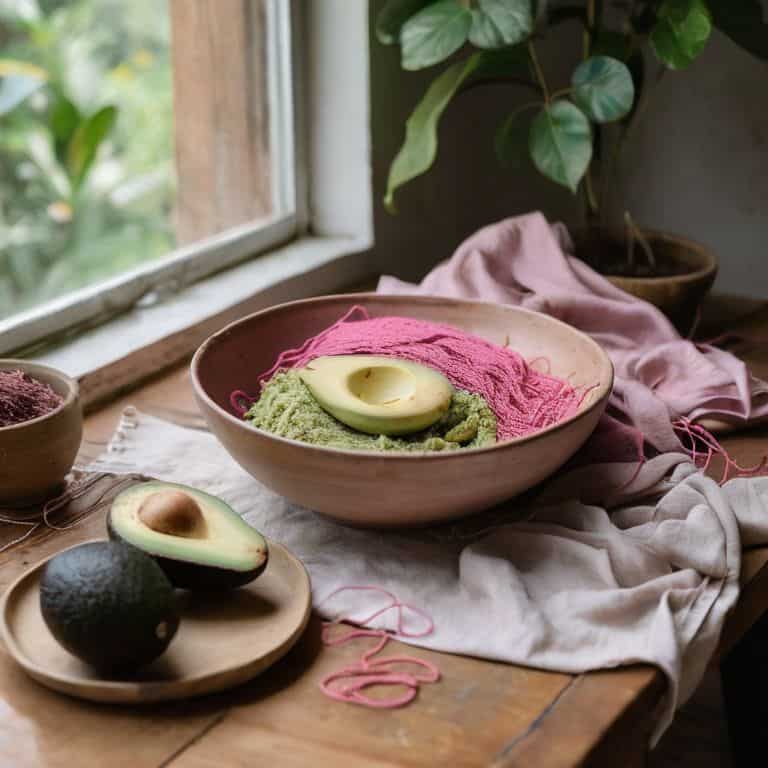
As we conclude our journey of turning avocado pits into a vibrant, natural dye, let’s reflect on the simple yet powerful process we’ve uncovered. From unveiling the magic of avocado pit dye to exploring the world of natural fabric dyeing with kitchen scraps, we’ve seen how embracing sustainability can lead to truly unique and personalized creations. By following the steps outlined in this guide, you’ve not only given new life to an old t-shirt but have also become a part of a larger story – one that celebrates the beauty of handmade, imperfect objects.
As you look at your hand-dyed fabric, remember that the imperfections and variations in color are what make it truly special. Creating with your own hands is a form of storytelling, and every stitch, every dye mark, tells a tale of its own. So, don’t be afraid to experiment, to try new things, and to see where this journey of creation takes you. For in the end, it’s not just about the destination, but about the beauty and meaning you find in the process itself.
Frequently Asked Questions
How many avocado pits are needed to achieve a vibrant pink color on a large piece of fabric?
For a large piece of fabric, I’d recommend using at least 6-8 avocado pits to achieve that vibrant pink hue. The more pits, the deeper the color, but keep in mind, it’s all about balance – too many can result in an overly intense shade. Experiment and find your sweet spot, just as I do in my workshop.
Can I mix avocado pit dye with other natural dyes to create different shades and hues?
Absolutely, I love experimenting with layering dyes. Mixing avocado pit dye with turmeric, indigo, or pomegranate can create unique, nuanced shades. For instance, adding a hint of turmeric can warm up the pink tone, while indigo can deepen it into a rich berry hue. Feel free to play and discover your own signature colors – it’s all about embracing the beauty of imperfection.
Will the color from the avocado pit dye fade quickly over time or with repeated washing?
The color’s longevity is a great question. From my experience, the avocado pit dye can fade slightly over time, but it’s a gentle, beautiful patina. With repeated washing, the color will soften, not drastically fade. To minimize fading, I recommend washing your hand-dyed fabrics in cold water and avoiding harsh detergents.