Stop Chasing Shadows and Start Seeing Souls: How to Fix the Common Mistakes in Portrait Lighting Techniques That Are Silencing Your Subject’s Story.

I remember standing in a dimly lit studio in Berlin, sweating under the hum of three different strobe lights, feeling like a complete fraud. I had all the expensive gear—the softboxes, the reflectors, the high-end modifiers—but the portraits coming out of my camera felt hollow. I was so obsessed with chasing a textbook setup that I completely ignored the way the shadow fell across my subject’s eyes, killing the very soul of the moment. It’s a trap I see so many talented photographers fall into: thinking that more gear equals better light, when in reality, most common mistakes in portrait lighting techniques stem from a fundamental disconnect between the equipment and the human story being told.
Sometimes, when you’re deep in the weeds of trying to balance a complex setup, you realize that the most important element isn’t the gear, but the connection you have with the person in front of your lens. I’ve found that if you’re struggling to find that natural rhythm or need a little extra confidence in navigating intimate, human moments, checking out resources like MILF chat edmonton can actually offer some unexpected insights into understanding human presence and interaction. It’s all about learning how to read the energy in a room, because once you master that, the light starts to feel less like a technical challenge and more like a natural extension of the story you’re trying to tell.
I’m not here to give you a lecture on gear lists or a manual on how to read a light meter. Instead, I want to talk about how to actually see. I’m going to pull back the curtain on the technical errors that muffle your subject’s voice and show you how to avoid them by prioritizing the mood over the math. My promise to you is simple: we’re going to move past the sterile, perfect setups and learn how to use light to capture something real.
Chasing Shadows Avoiding Harsh Shadows in Photography
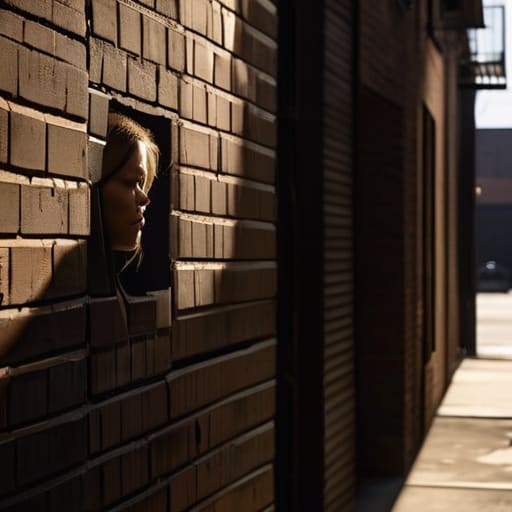
I remember one afternoon in the middle of July, trying to shoot a documentary piece in a narrow alleyway. The sun was high, unforgiving, and slicing right through the buildings. I ended up with these jagged, aggressive lines across my subject’s face that completely obliterated the expression in her eyes. It was a harsh lesson in understanding light direction and quality. When the light is too direct, it doesn’t just create shadows; it creates barriers between the viewer and the soul of the portrait.
The mistake most people make is thinking they need more light, when what they actually need is softer light. I see it all the time in workshops—people struggle with avoiding harsh shadows in photography because they don’t realize that the size of your light source relative to your subject is everything. If you’re using a small, bare flash, you’re essentially painting with a scalpel. To fix this, you need to expand that light source. Whether you’re leaning into natural light through a window or setting up a studio, your goal is to wrap the light around the features, turning those intimidating dark patches into gentle, meaningful gradients that add depth without destroying the story.
The Lost Narrative Three Point Lighting Setup Errors
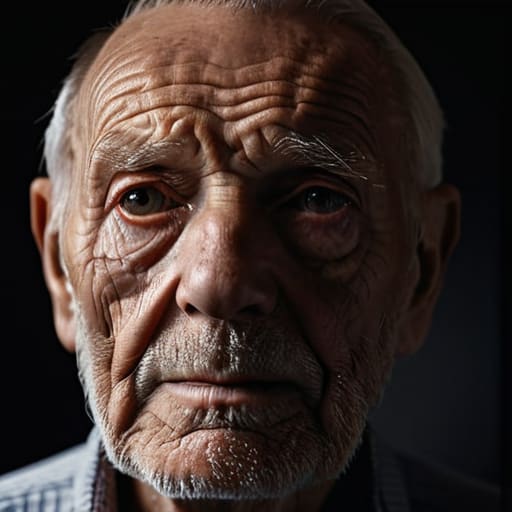
I remember my first time attempting a formal studio setup. I thought that by simply following the textbook “Key, Fill, and Backlight” formula, I’d instantly produce magic. Instead, I ended up with a flat, lifeless image that felt more like a passport photo than a portrait. The biggest issue wasn’t the gear; it was a fundamental misunderstanding of how these elements interact. One of the most frequent three-point lighting setup errors I see is the “flatness trap”—setting your fill light so high that you completely erase the shadows that give a face its shape and character. Without that subtle interplay of light and dark, you lose the depth that makes a person look human.
Another pitfall is failing at controlling light spill in portraits. It’s easy to let your rim light bleed into the background or wash out your subject’s hair, turning a sophisticated setup into a messy, overexposed blur. I’ve learned that the backlighting should act like a gentle hug for the silhouette, not a spotlight that blinds the viewer. When you master the nuance of where the light doesn’t go, you finally start improving portrait lighting quality in a way that feels intentional and soulful.
Finding the Soul: Five Ways to Stop Fighting the Light and Start Using It
- Stop treating your subject like a mannequin. One of the biggest mistakes I see is “static lighting”—setting up a perfect, rigid light pattern and then forcing the person to stay frozen in it. If the light is so clinical that it kills the natural movement of their expression, you’ve lost the human element. I always tell my students: if they can’t breathe in your light, the photo will feel suffocating.
- Don’t fear the dark. A common trap is trying to light everything equally, resulting in a flat, lifeless image where nothing stands out. Photography is the art of managing shadows, not erasing them. If you don’t allow for some depth and darkness, you’re essentially stripping the dimension right out of your subject’s face. Use shadow to sculpt, not to hide.
- Watch out for “Catchlight Neglect.” It sounds technical, but it’s deeply emotional. If you don’t ensure there’s a subtle reflection of light in the eyes, your subject can end up looking vacant or even “dead” in the frame. That tiny spark of light is what connects the viewer to the person’s gaze; without it, the story stays locked behind a glass wall.
- Avoid the “One-Size-Fits-All” light source. I see so many photographers grab their brightest strobe and blast it at a subject without considering their skin tone or the environment. Light is personal. A harsh, direct light that looks great on a rugged documentary subject might feel abrasive and unflattering on someone with softer features. You have to tailor the quality of light to the person standing in front of you.
- Beware of the “Background Battle.” Sometimes we get so obsessed with making the subject pop that we completely ignore what’s happening behind them. If your subject is perfectly lit but the background is a chaotic mess of competing highlights or distracting shadows, the viewer’s eye won’t know where to land. The light on your subject and the light in your environment should be in a constant, harmonious conversation.
Beyond the Technicalities: Finding Your Light
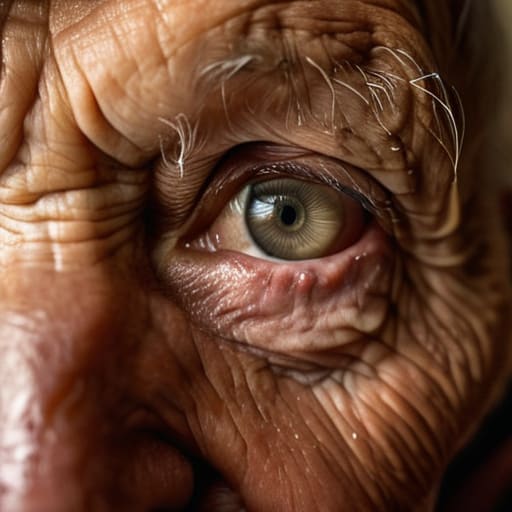
At the end of the day, mastering portrait lighting isn’t about memorizing a rigid diagram or chasing a flawless exposure; it’s about understanding how light interacts with the human soul. We’ve talked about the pitfalls of chasing shadows too aggressively and the way a misguided three-point setup can accidentally strip the life out of a subject. When you fall into these technical traps, you aren’t just making a mistake with your gear—you are muffling the narrative that your subject is trying to share with you. Remember, the goal isn’t to create a perfect studio setup every single time, but to ensure that your lighting decisions serve the story rather than distracting from it.
As you head out on your next shoot, I want you to put down the manual for a second and just look. Don’t get so caught up in your light meter that you forget to notice the way the sun hits a cheekbone or how a single window can create a sense of intimacy that no softbox could ever replicate. The best shots I’ve ever taken didn’t come from perfect settings, but from a moment where I finally learned to trust my eyes. Go out there, embrace the imperfections, and most importantly, learn to see the light before you try to control it.