A Guide to Natural Dyeing With Plants From Your Kitchen
I still remember the first time I stumbled upon a vibrant, naturally dyed fabric at a local market. It was as if the colors seemed to breathe with a life of their own, telling a story of the earth and the hands that crafted it. This experience sparked my fascination with a guide to natural dyeing, and I’ve since dedicated myself to mastering this artisanal craft. What I’ve learned is that natural dyeing is not just about replacing synthetic dyes, but about embracing the uniqueness and imperfections that come with working with nature.
In this article, I’ll share my personal approach to natural dyeing, distilling the process down to its essence. You’ll learn how to harness the power of plants, minerals, and other natural materials to create a wide range of colors and shades. From the basics of preparing your materials to the art of mixing and matching different dyes, I’ll provide you with practical tips and techniques to help you get started on your own natural dyeing journey. Whether you’re a seasoned crafter or just starting out, my goal is to empower you with the knowledge and confidence to create something truly unique and meaningful with your own hands.
Table of Contents
- Guide Overview: What You'll Need
- Step-by-Step Instructions
- A Guide to Natural Dyeing
- Weaving Stories with Every Thread: 5 Essential Tips for Natural Dyeing
- Embracing the Art of Natural Dyeing: 3 Key Takeaways
- Embracing the Art of Natural Dyeing
- Embracing the Art of Natural Dyeing
- Frequently Asked Questions
Guide Overview: What You'll Need
Total Time: 2 hours 30 minutes
Estimated Cost: $20 – $50
Difficulty Level: Intermediate
Tools Required
- Large Pot (at least 3-quart capacity)
- Wooden Spoon (for stirring)
- Measuring Cups (dry and liquid)
- Gloves (protective, for handling dye plants)
- Cheesecloth (or a strainer)
Supplies & Materials
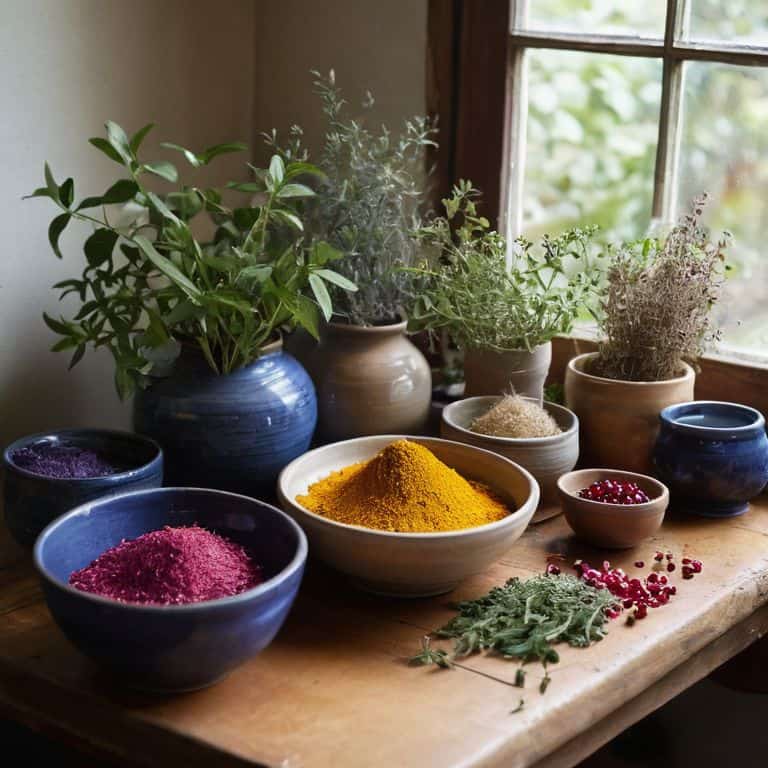
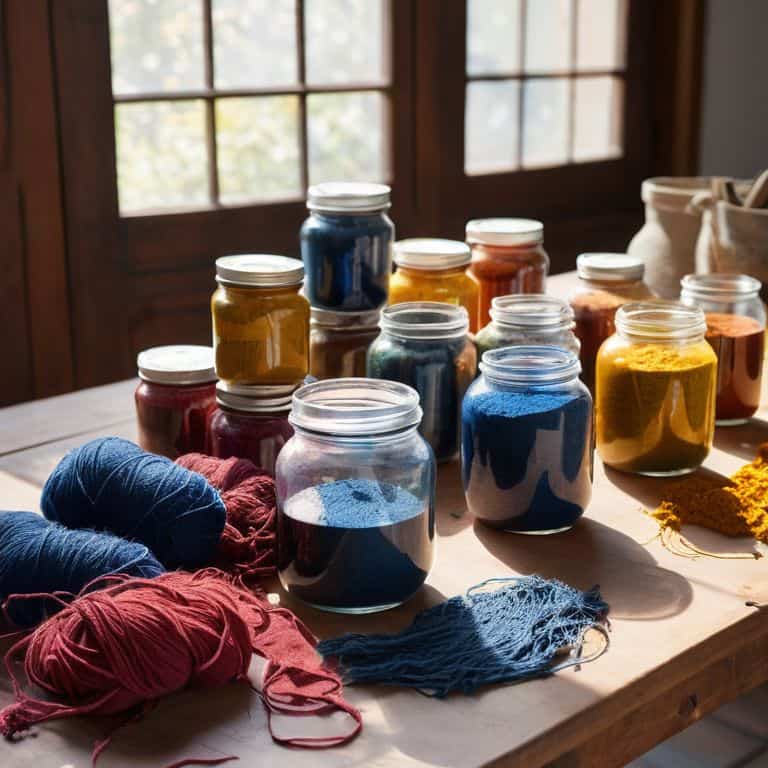
- Natural Dye Plants (such as indigo, turmeric, or pomegranate rinds)
- Mordant (alum or cream of tartar)
- Soda Ash (for creating an alkaline environment)
- Glycerin (optional, for enhancing colorfastness)
- Fabric (natural fibers like cotton, linen, or silk)
Step-by-Step Instructions
- 1. To begin our journey into the world of natural dyeing, let’s start by gathering our materials. We’ll need some natural dye sources like plants, turmeric, or indigo, as well as some basic equipment such as a large pot, a strainer, and some rubber gloves to protect our hands. I find that using high-quality, organic materials really makes a difference in the final result.
- 2. Next, we need to prepare our fabric for dyeing. This involves washing and drying the fabric to remove any finishes that might affect the dye. I like to use natural fibers like cotton, linen, or silk, as they tend to take the dye more evenly. Once our fabric is ready, we can start thinking about the type of dye we want to use and what kind of color we’re aiming for.
- 3. Now it’s time to create our natural dye. For this example, let’s use turmeric to create a beautiful yellow color. We’ll need to measure out the right amount of turmeric and mix it with some hot water to create a dye bath. The ratio of turmeric to water will depend on how intense we want the color to be, so it’s a good idea to do a few test runs to get it just right.
- 4. With our dye bath ready, we can now submerge our fabric and let it soak for a while. The longer it soaks, the deeper the color will be, so it’s up to us to decide how long to leave it in. I find that experimenting with different soaking times can lead to some really interesting and unique results.
- 5. Once our fabric has finished soaking, we need to rinse it gently with cold water to remove any excess dye. This is an important step, as we don’t want any leftover dye to affect the color of our fabric. Now, we can add a fixative to help the color stay vibrant and prevent it from fading over time.
- 6. The next step is to wash and dry our fabric to fix the color in place. It’s essential to use cold water and a mild detergent to avoid fading the color. I like to line dry my fabrics, as it helps preserve the color and texture of the material.
- 7. Finally, we can now use our naturally dyed fabric to create something truly unique and special. Whether it’s a piece of clothing, a home decor item, or a work of art, the possibilities are endless. I find that working with natural dyes is not just about creating something beautiful, but also about telling a story through the materials and processes we use.
A Guide to Natural Dyeing
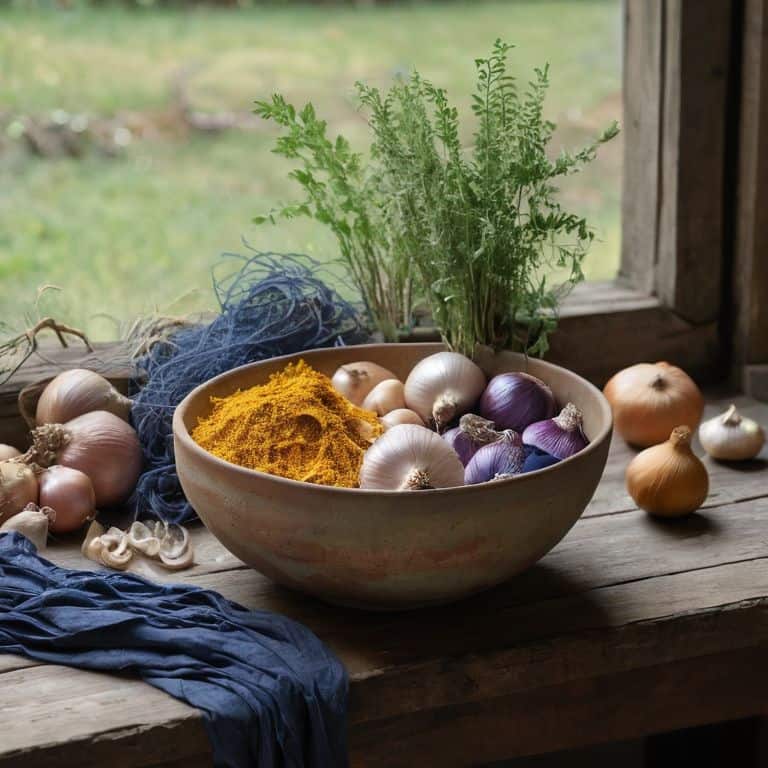
As I delve deeper into the world of natural dyeing, I’m reminded of the importance of sustainable fashion practices. It’s not just about creating unique and beautiful textiles, but also about reducing our impact on the environment. One way to do this is by exploring plant based dye recipes that utilize food waste, such as onion skins, turmeric, and indigo plants. These natural ingredients can produce a wide range of colors and hues, from soft pastels to deep blues.
When it comes to natural dyeing, it’s essential to experiment and have fun with the process. Hand dyeing yarn techniques can be a great way to add a personal touch to your projects, and with a little practice, you can achieve stunning results. For beginners, I recommend starting with simple recipes and gradually moving on to more complex ones. Remember, the beauty of natural dyeing lies in its imperfections, so don’t be afraid to make mistakes and try new things.
As you continue on your natural dyeing journey, keep in mind that eco friendly textile design is not just about the materials you use, but also about the story behind them. Every thread, every fiber, and every color has a history and a meaning. By embracing this process, you’ll not only create something beautiful, but also contribute to a more sustainable and conscious approach to fashion.
Natural Dyeing for Beginners Unlocking Secrets
As I delve into the world of natural dyeing, I’m reminded of the countless hours I spent in my urban garden, watching plants grow and flourish. It’s this same sense of nurturing that drew me to natural dyes. For beginners, it’s essential to start with simple, accessible materials like turmeric, indigo, and pomegranate rinds. These natural wonders can transform plain fabrics into vibrant, one-of-a-kind pieces that tell a story.
I always begin my natural dyeing process with a sketch in my notebook, envisioning the colors and textures I want to achieve. It’s a moment to slow down, connect with the materials, and let the creative process unfold. As you embark on your own natural dyeing journey, remember that it’s okay to make mistakes – they’re an integral part of the story your handmade objects will tell.
Sustainable Fashion Plant Based Dye Recipes
As I experiment with plant-based dye recipes, I’m constantly reminded of the magic that unfolds when nature meets creativity. From the deep blues of indigo leaves to the vibrant yellows of turmeric, each plant tells a story of its own. I’ve found that combining these natural dyes with other materials like pomegranate rinds and coffee grounds can create a rich tapestry of colors and textures. The process is just as important as the end result – it’s about slowing down, observing the way the dyes interact, and embracing the uniqueness of each piece.
I’ve developed a few favorite recipes that never fail to inspire me. One of them involves steeping eucalyptus leaves in a mixture of water and vinegar to create a soft, silvery gray. Another combines the deep reds of beetroot with the earthy tones of walnut hulls, resulting in a beautiful, muted brown. These recipes not only produce stunning colors but also encourage a more mindful approach to fashion, one that values the journey as much as the destination.
Weaving Stories with Every Thread: 5 Essential Tips for Natural Dyeing
- As you embark on this journey, remember that natural dyeing is an art that thrives on experimentation, so don’t be afraid to try new combinations of plants and materials to create unique hues.
- Always start by preparing your fabrics, ensuring they are clean and free of any finishes that might affect the dye, allowing the natural colors to bind evenly.
- Nature is your palette, with leaves, flowers, and roots offering a kaleidoscope of colors; explore your local flora to discover the hidden pigments that can bring your creations to life.
- The ratio of dye material to water is crucial, as it directly impacts the intensity of the color; a general rule of thumb is to start with a small amount of dye and gradually add more until you achieve the desired shade.
- Patience is key, as natural dyeing is a process that unfolds slowly; allow yourself to get lost in the rhythm of waiting for the perfect color to emerge, and remember, it’s the imperfections that make each piece truly special.
Embracing the Art of Natural Dyeing: 3 Key Takeaways
As we explore the realm of natural dyeing, remember that it’s a journey of experimentation and patience, where every thread and fiber tells a story of its own, and the imperfections are what make each piece truly unique and soulful.
By embracing plant-based dye recipes and sustainable fashion practices, we not only create clothing and textiles that are gentler on the environment, but we also weave a narrative of conscious living and appreciation for the natural world.
Whether you’re a beginner unlocking the secrets of natural dyeing or a seasoned artisan, the true beauty of this craft lies in its ability to connect us with the earth and with our own creativity, inviting us to slow down, observe, and let the beauty of the natural world guide our hands.
Embracing the Art of Natural Dyeing
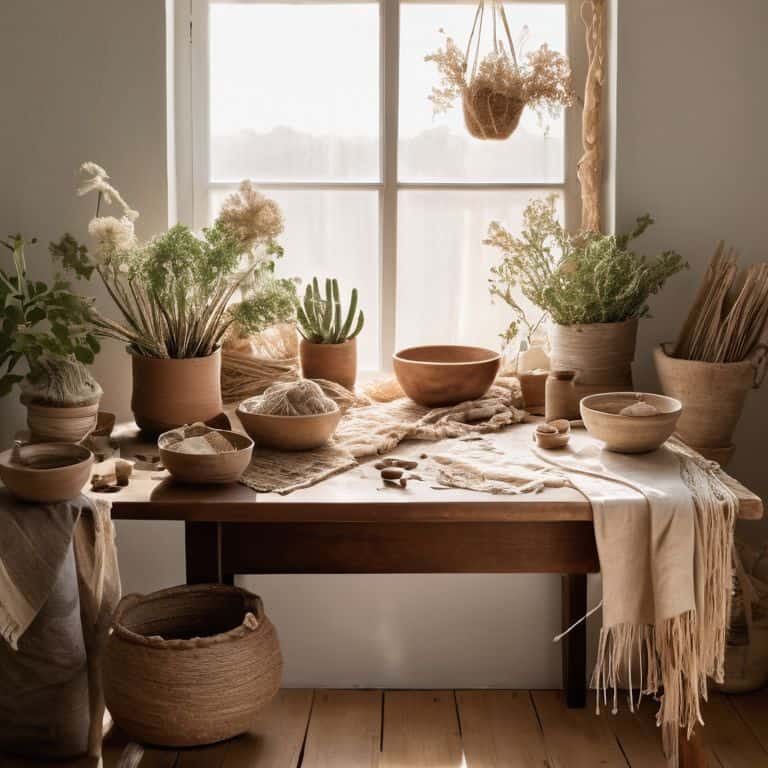
As we weave our own stories into the fabric of our lives, natural dyeing reminds us that every thread, every color, and every imperfection is a testament to the human touch – a gentle reminder that beauty lies not in perfection, but in the journey of creation itself.
Finn Rivera
Embracing the Art of Natural Dyeing
As we’ve journeyed through this guide to natural dyeing, we’ve uncovered the beauty of simplicity in creating unique, sustainable fabrics. From the initial steps of gathering materials to the final moments of watching our creations come to life, every stage of the natural dyeing process is an opportunity to connect with the natural world and express our creativity. We’ve explored various plant-based dye recipes, each with its own character and potential, and learned how to combine them to achieve a wide range of colors and effects. By embracing this craft, we not only produce ecologically friendly textiles but also tell a story of dedication and passion with every thread.
As you close this guide and perhaps look at your surroundings with new eyes, remember that the true magic of natural dyeing lies not just in the end result, but in the process itself. It’s about slowing down, observing nature, and allowing its beauty to influence our creations. So, let’s continue to explore, to experiment, and to push the boundaries of what’s possible with natural dyes. For in doing so, we not only create something with our own hands but also contribute to a more sustainable future, one dye bath at a time.
Frequently Asked Questions
What are some common mistakes to avoid when natural dyeing fabrics for the first time?
When natural dyeing for the first time, I’ve found that common mistakes include using too much dye, not properly preparing the fabric, and not accounting for color variation. Start small, follow recipes, and remember that imperfections are part of the charm – it’s all about embracing the unique story each piece tells.
How can I achieve consistent and repeatable results with natural dyes?
To achieve consistent results with natural dyes, I swear by keeping a dye journal to track my experiments. I note down the type of plant, ratio of dye to water, and steeping time. It’s amazing how small tweaks can affect the final color. By referencing my journal, I can replicate my favorite hues and continue to refine my craft.
Are there any specific safety precautions I should take when working with natural dye materials and processes?
When working with natural dyes, I always prioritize caution. Wear protective gloves, goggles, and a mask to avoid skin and eye irritation, as well as inhaling potential allergens. Ensure good ventilation and keep the workspace clean to prevent accidents. It’s also essential to research and understand the properties of each plant-based material to avoid any adverse reactions.