A Guide to the Three Stages of Film Production
I still remember the first time I heard someone oversimplify the three stages of film production as just “pre-production, production, and post-production.” It sounded so straightforward, but as I delved deeper into the world of documentary filmmaking, I realized that each stage is a complex, interconnected process. The problem is, many of us get caught up in the romanticism of filmmaking, thinking that the story magically appears on set. But I’m here to tell you that the real magic happens in the editing room, where the invisible art of storytelling comes alive.
As someone who’s spent years working on award-winning documentaries, I’ve learned that demystifying the filmmaking process is key to creating videos that truly resonate with audiences. In this article, I’ll take you through my own experiences, sharing no-nonsense advice on how to navigate the three stages of film production. From concept to cut, I’ll show you how to bring your story to life, highlighting the importance of meticulous planning, creative problem-solving, and attention to detail. Whether you’re a seasoned filmmaker or just starting out, my goal is to empower you with the knowledge and skills to create compelling, emotionally impactful films that leave a lasting impression on your viewers.
Table of Contents
Unveiling Film Production
As I delve into the world of filmmaking, I’m reminded that the film development process is where the magic begins. It’s the stage where ideas are born, and stories start to take shape. For me, this is the most exciting part of the journey, as it sets the tone for the entire project. I recall working on a documentary where we spent months in pre-production planning, meticulously researching and scripting every detail to ensure a smooth shoot.
When it comes to principal photography, the goal is to capture the essence of the story. This is where the director’s vision comes to life, and the cinematographer’s skill shines through. I’ve had the privilege of working with talented cinematographers who understand the importance of visual effects workflow in enhancing the narrative. As a documentary filmmaker, I believe that sound design in post-production is just as crucial, as it can make or break the emotional impact of a scene.
In my experience, the right film editing software can be a game-changer in post-production. It’s amazing how a well-crafted edit can transform a scene, making it more engaging and immersive. As someone who’s passionate about sound design for personal projects, I can attest to the fact that it’s 50% of the film. By carefully balancing sound and visuals, you can create a truly captivating experience that draws the audience in and refuses to let go.
Principal Photography Tips for Success
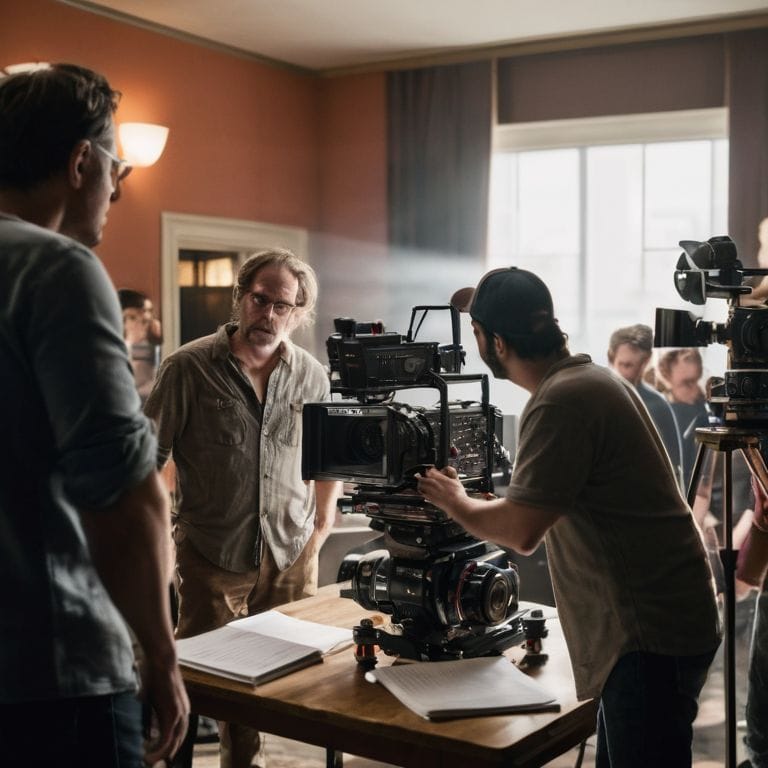
As we dive into the production stage, principal photography becomes the focal point. This is where the vision you’ve meticulously planned in pre-production comes to life. It’s essential to stay organized and focused to ensure a smooth shoot.
To achieve success during this phase, capturing high-quality footage is paramount. This involves careful consideration of lighting, sound, and camera angles to create a visually stunning and engaging film.
Where Pre Production Planning Meets Magic
As I delve into the world of pre-production, I’m reminded that meticulous planning is essential to setting the tone for a successful film. This stage is where the foundation of your story is laid, and it’s crucial to get it right. From script development to location scouting, every detail matters.
In pre-production, I find that creative problem-solving is key to overcoming obstacles and bringing your vision to life. Whether it’s finding the perfect cast or securing the ideal filming locations, this stage is where the magic begins to unfold, and your project starts to take shape.
The Three Stages of Film Production

As I delve into the film development process, I’m reminded that it’s a journey, not a destination. It begins with pre-production planning, where the foundation of your story is laid. This is where you bring your concept to life, and it’s essential to get it right. I’ve seen many projects falter due to inadequate planning, but with a clear vision and meticulous attention to detail, you can set yourself up for success.
During principal photography, the real magic happens. It’s where your story starts to take shape, and every frame counts. I’ve worked on numerous documentaries where the principal photography tips I’ve learned have made all the difference. From capturing high-quality sound to ensuring proper lighting, every element contributes to the overall narrative. It’s a delicate balance, but one that’s crucial to creating an immersive experience.
As we move into post-production, sound design in post production becomes a critical component. It’s where the emotional impact of your film is truly amplified. I’ve spent hours perfecting the sound design for my own projects, and it’s astonishing how much of a difference it can make. With the right film editing software, you can weave together a tapestry of sound and image that leaves a lasting impression on your audience.
Mastering Film Editing Software for Perfection
As I dive into the world of film editing, I always stress the importance of familiarizing yourself with the software. It’s where the magic happens, and the story truly comes alive. I’ve spent countless hours mastering various editing tools, and I can attest that it’s worth the investment.
To take your editing skills to the next level, you need to experiment with different techniques. Don’t be afraid to try new things and push the boundaries of what’s possible. With practice and patience, you’ll develop your own unique style and voice, setting your films apart from the rest.
Sound Design and Visual Effects in Post
As I dive into the world of post-production, I’m reminded that sound design is where the real magic happens. It’s the subtle art of crafting an aural landscape that elevates your visuals and transports your audience to new heights. I’ve spent countless hours perfecting the sound design for my own documentary films, and I can attest to the fact that it’s a game-changer.
In the realm of post-production, visual effects can make or break the authenticity of a scene. When done correctly, they seamlessly blend into the background, enhancing the narrative without drawing attention away from the story. As a filmmaker, it’s essential to strike a balance between sound design and visual effects to create a cohesive and immersive experience for your viewers.
Bringing Your Vision to Life: 5 Essential Tips for Navigating the Three Stages of Film Production
- Develop a detailed script and storyboard during pre-production to ensure a clear vision for your film
- Plan for contingencies and have a flexible shooting schedule during production to accommodate unexpected changes or challenges
- Invest in high-quality sound design and visual effects in post-production to elevate the emotional impact of your film
- Experiment with different editing techniques and color grading options to find the perfect tone and mood for your story
- Collaborate with your team and be open to feedback and revisions throughout all three stages of film production to ensure a polished and engaging final product
Key Takeaways from the Three Stages of Film Production
Understanding the distinct roles of pre-production, production, and post-production is crucial for a successful film project, as each stage builds upon the last to create a cohesive narrative
Effective sound design and visual effects can elevate a film from ordinary to extraordinary, with the power to evoke emotions and immerse the audience in the story
Mastering film editing software and techniques, such as color grading and pacing, allows filmmakers to unlock the full potential of their footage and craft a compelling story that resonates with viewers
A Filmmaker's Wisdom
The three stages of film production are not just sequential steps, but a harmonious dance between planning, capture, and craftsmanship – where each step informs and transforms the last, ultimately giving birth to a cinematic tapestry that resonates with the soul.
Maya Jenson
Bringing Your Vision to Life
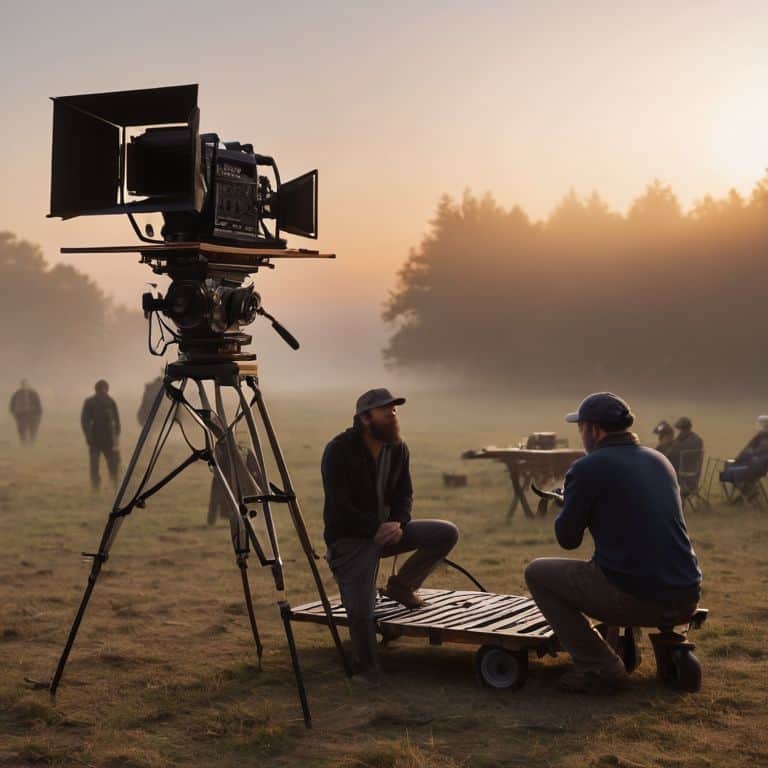
As we’ve explored the three stages of film production, from pre-production planning to production and finally, post-production, it’s clear that each phase is crucial to bringing your vision to life. We’ve discussed how meticulous planning and principal photography set the stage for success, and how sound design, visual effects, and mastering film editing software can elevate your story. By understanding these stages and honing your craft, you’ll be well on your way to creating a film that resonates with your audience.
So, as you embark on your own filmmaking journey, remember that the true magic happens in the edit room, where you get to shape your footage into a compelling narrative. Don’t be afraid to experiment, take risks, and trust your instincts – and always keep in mind that the story is in the edit. With dedication, passion, and a willingness to learn, you’ll be able to craft a film that leaves a lasting impression on your viewers.
Frequently Asked Questions
What are some common mistakes to avoid during the pre-production stage of film production?
During pre-production, I’ve seen many filmmakers fall into the trap of inadequate location scouting, insufficient script revisions, and poor scheduling. Don’t underestimate the power of a well-planned shoot – it’s the foundation of a smooth production. Take your time to get it right, and you’ll save yourself headaches down the line.
How do you effectively balance the creative and technical aspects of principal photography?
For me, balancing creative and technical aspects during principal photography is all about prep and trust in my team. I focus on capturing the emotional essence of each scene, while my crew handles the technical nuances, like lighting and sound. It’s a beautiful dance between art and science.
What role does color grading play in enhancing the emotional impact of a film during post-production?
Color grading is where the magic happens, elevating the emotional impact of your film. It’s not just about making your footage look pretty – it’s about creating a mood, a atmosphere, and guiding your audience’s emotional response. Think of it as the invisible thread that weaves your story together, and I’m obsessed with its power to transform a scene.