A Guide to Storytelling in Film: Crafting a Compelling Narrative
I still remember the first time I realized that a guide to storytelling in film wasn’t just about capturing beautiful footage, but about crafting a narrative that resonates with audiences. As a documentary filmmaker, I’ve had my fair share of struggles with shaping raw footage into a compelling story. But what I’ve learned is that the real magic happens in the editing room, where the rhythm, emotion, and invisible art of filmmaking come together.
In this article, I’ll share my hands-on experience and practical advice on how to weave your footage into a cinematic masterpiece. You’ll learn how to identify the emotional core of your story, and use color grading and sound design to elevate the mood and atmosphere of your film. Whether you’re a seasoned filmmaker or just starting out, this guide will walk you through the process of creating a captivating narrative that will leave your audience moved and inspired. By the end of this journey, you’ll have the tools and confidence to transform your raw footage into a work of art that tells a story that truly matters.
Table of Contents
Guide Overview: What You'll Need
Total Time: 5 hours
Estimated Cost: $0 – $100
Difficulty Level: Intermediate
Tools Required
- Computer (with video editing software)
- Camera (optional)
- Storyboarding paper (or digital equivalent)
Supplies & Materials
- Notebook (for scriptwriting)
- Pencil (or pen)
- Eraser (for editing purposes)
- Film or video production books (for reference)
Step-by-Step Instructions
- 1. First, let’s start with the foundation of any great film: developing a strong narrative structure. This means understanding the three-act format, character arcs, and pacing. I like to think of it as the skeleton of your story, providing a framework for your footage to come alive. To get started, take some time to brainstorm and jot down your ideas, considering what themes, characters, and plot points you want to explore.
- 2. Next, it’s essential to understand your audience and what resonates with them. As a documentary filmmaker, I’ve learned that knowing your audience is crucial in crafting a story that speaks to them. Consider what emotions you want to evoke, what questions you want to answer, and what message you want to convey. This will help you create a narrative that’s both personal and universal, allowing your audience to connect with your story on a deeper level.
- 3. Now, let’s talk about the importance of pre-production planning. This is where you start to flesh out your idea, creating a treatment, script, and storyboard. I find that having a clear plan in place helps me stay focused and ensures that my footage is purposeful and meaningful. Take the time to research, location scout, and plan your shots, considering factors like lighting, sound, and camera angles.
- 4. With your plan in place, it’s time to start capturing your footage. This is where the magic happens, and you begin to bring your story to life. Remember to stay flexible and adapt to any changes or unexpected moments that may arise during filming. As a filmmaker, I’ve learned to be present in the moment and to trust my instincts, allowing me to capture genuine and authentic footage.
- 5. Once you’ve wrapped up filming, it’s time to dive into the edit. This is where the real storytelling happens, and you start to weave your footage into a cohesive narrative. I like to think of editing as a puzzle, where you’re constantly looking for the right pieces to fit together. Experiment with different cuts, transitions, and pacing to find the rhythm and flow that works best for your story.
- 6. As you work through your edit, don’t forget about the power of sound design. This is an often-overlooked aspect of filmmaking, but it can make or break the emotional impact of your story. Consider adding music, sound effects, and FX to enhance the mood and atmosphere of your film. I’ve found that sound design is 50% of the film, and it’s essential to get it just right to create a truly immersive experience.
- 7. Finally, it’s time to refine your color grade and add the final touches to your film. This is where you can really enhance the mood and atmosphere of your story, using color to evoke emotions and create a sense of tension or release. I love experimenting with different color palettes and LUTs to find the perfect look for my film. Remember, the goal is to create a cohesive visual language that supports your narrative and draws your audience in.
A Guide to Storytelling in Film
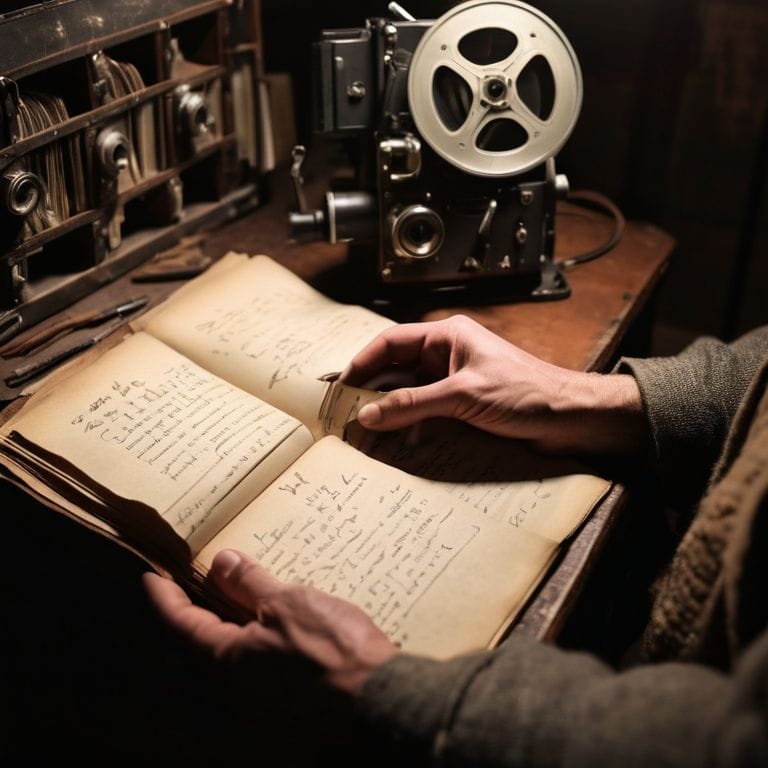
As I delve into the world of film narrative techniques, I’m reminded that the best stories are those that unfold organically. To achieve this, it’s essential to focus on character development strategies that make your characters relatable and authentic. By doing so, you’ll create a narrative that resonates with your audience on a deeper level.
When crafting your story, consider using plot twist ideas that add surprise and tension to your plot. This can be achieved by introducing unexpected conflicts or revelations that challenge your characters and keep your audience engaged. A well-structured screenplay structure template can also help you organize your ideas and ensure a cohesive flow.
To bring your story to life, don’t underestimate the power of visual storytelling tips and dialogue writing best practices. These elements can make or break the emotional impact of your film. By combining compelling visuals with well-crafted dialogue, you’ll create a cinematic experience that lingers long after the credits roll. Remember, the key to effective storytelling is to strike a balance between technical skill and creative vision.
Mastering Character Development Strategies
To craft compelling characters, you need to dig deep into their psyche. I like to think of character development as a puzzle, where each piece is a subtle hint at their motivations and desires. In film, this can be achieved through clever dialogue, body language, and even the way they interact with their environment. For instance, a character’s posture or the way they dress can reveal their confidence or insecurities. By paying attention to these details, you can create nuanced, believable characters that your audience will root for or empathize with.
As you edit, look for moments that reveal character traits, such as a fleeting expression or a telling gesture. These small moments can make a big impact on your character’s development and add depth to your story.
Uncovering Film Narrative Techniques
Uncovering Film Narrative Techniques
As I delve into the world of cinematic storytelling, I’m reminded that a strong narrative is the backbone of any film. It’s what captivates your audience and leaves a lasting impression. For me, it’s all about finding the emotional core of the story and using that to guide your editing decisions. Think of your favorite films – what is it about them that resonates with you? Is it the way the characters develop, the pacing of the plot, or the emotional payoffs? These are all elements of film narrative techniques that can be learned and applied to your own storytelling.
By understanding how to craft a compelling narrative, you’ll be able to elevate your footage from mere observation to immersive experience. I like to think of it as uncovering the hidden rhythm of your story, and using that rhythm to draw your audience in.
Weaving Cinematic Magic: 5 Essential Tips for Storytelling in Film
- Show, don’t tell: let your visuals and dialogue reveal character traits and backstory, rather than relying on clunky exposition
- Play with pacing: experiment with rapid cuts and slow-burning sequences to create a sense of tension and release
- Color grading is king: use the emotional impact of color to set the tone and atmosphere of your scene, from the warmth of golden hour to the coolness of a rainy night
- Sound design is 50% of the film: use diegetic and non-diegetic sound to create an immersive experience, from the rustle of leaves to the hum of a city street
- Edit with intention: don’t just cut from one clip to the next – use your edit to reveal character, advance the plot, and create emotional resonance
Key Takeaways for Crafting Compelling Film Stories
Embracing the edit as the heart of filmmaking, where raw footage is transformed into a narrative with emotional resonance and rhythmic flow
Understanding the pivotal role of character development in engaging your audience, through techniques such as backstory, dialogue, and visual cues that reveal character traits and arcs
Recognizing the symbiotic relationship between sound design and visual elements, where 50% of the film’s impact is determined by its sonic landscape, from score to FX, in creating an immersive cinematic experience
The Heart of Cinematic Storytelling
The true magic of filmmaking doesn’t happen on set, but in the edit, where the rhythm of the cut, the pulse of the sound, and the palette of the grade come together to conjure emotions, evoke memories, and transport audiences to new worlds.
Maya Jenson
Bringing Your Story to Life
As we’ve journeyed through the world of film storytelling, we’ve uncovered the invisible art of editing, explored the importance of character development, and delved into the emotional impact of color grading and sound design. These elements, when woven together, create a rich tapestry that can captivate and move your audience. By mastering these techniques, you’ll be well on your way to crafting stories that resonate deeply with your viewers.
So, as you embark on your own filmmaking journey, remember that the true magic happens in the edit. It’s where you get to breathe life into your footage, to find the rhythm and emotion that will leave a lasting impression on your audience. Don’t be afraid to experiment, to try new things, and to push the boundaries of what’s possible. With dedication, passion, and a willingness to learn, you’ll be creating cinematic magic in no time.
Frequently Asked Questions
How can I ensure that my film's pacing is well-balanced and engaging for my audience?
To achieve a well-balanced pace, I consider the rhythm of my edit, alternating between fast-paced and slow-burning scenes. I also experiment with music and sound design to create tension or release, guiding my audience’s emotional journey. By doing so, I craft a narrative that ebbs and flows, keeping my viewers engaged and invested in the story.
What role does sound design play in enhancing the emotional impact of a scene, and how can I effectively use it in my own film?
Sound design is 50% of the film, in my opinion. It can elevate a scene from mundane to mesmerizing. Think of it as the emotional underscore – it sets the tone, creates tension, and draws the audience in. Experiment with layering sounds, manipulating frequencies, and playing with silence to create a sonic landscape that complements your visuals and amplifies the emotional impact.
Are there any specific editing techniques or software that you recommend for achieving a unique visual style and narrative flow in a film?
For me, it’s all about experimenting with non-linear editing and color grading. I swear by Adobe Premiere and DaVinci Resolve for achieving a distinct look and feel. Playing with LUTs, layering, and texture can also add depth to your narrative.