A Review of the Rode Podmic: the Best Budget Podcasting Mic?
I still remember the day I decided to dive into the world of podcasting and voiceovers, and my search for the perfect microphone led me to a review of the Rode PodMic. Like many, I was skeptical about the numerous reviews claiming it to be the “best” USB microphone for podcasting and voiceovers. However, after spending several weeks with the Rode PodMic, I discovered that it’s not just about the specs, but about how it performs in real-world scenarios. The truth is, a good microphone is not just about capturing sound, but about elevating your voice to convey your message with clarity and conviction.
As I share my hands-on experience with the Rode PodMic, I promise to provide you with honest, hype-free advice on whether this microphone is the right fit for your creative endeavors. In this review, I’ll take you through my journey of unboxing, setting up, and using the Rode PodMic for various projects, highlighting its strengths and weaknesses. My goal is to help you make an informed decision, so you can focus on what matters most – creating engaging content that resonates with your audience. By the end of this review, you’ll have a clear understanding of whether the Rode PodMic is the perfect companion for your voiceover work or podcasting adventures.
Table of Contents
- Rode PodMic: At a Glance
- First Impressions Design
- Key Features in Action
- Real World Performance
- Comparison With Alternatives
- Who Is This Product for
- Value for Money Final Verdict
- 5 Essential Tips for Getting the Most Out of Your Rode PodMic
- Three Key Takeaways from My Time with the Rode PodMic
- A Mic That Stands the Test of Time
- The Final Verdict
- Frequently Asked Questions
Rode PodMic: At a Glance
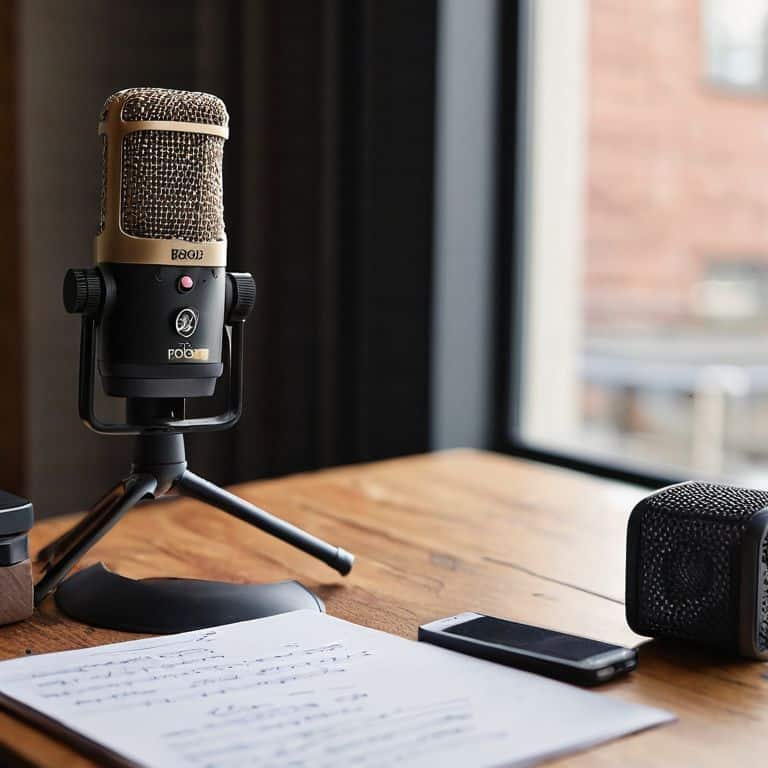
The Rode PodMic is a top-notch USB microphone that delivers exceptional sound quality and durability, making it an ideal choice for podcasters, voiceover artists, and content creators
Overall Rating: 4.5/5 Stars
Key Specifications
- Polar Pattern: End-Address
- Frequency Response: 20Hz – 20kHz
- Connectivity: USB
What We Liked
- Exceptional sound quality with clear and crisp audio
- Durable construction with a robust all-metal body
- Easy to set up and use, plug-and-play functionality
What Could Be Better
- No built-in headphone jack or volume control, requiring additional equipment for monitoring
The Bottom Line
Verdict: The Rode PodMic is the best you can get for the price, offering outstanding performance, build quality, and value for podcasting, voiceovers, and recording applications
First Impressions Design
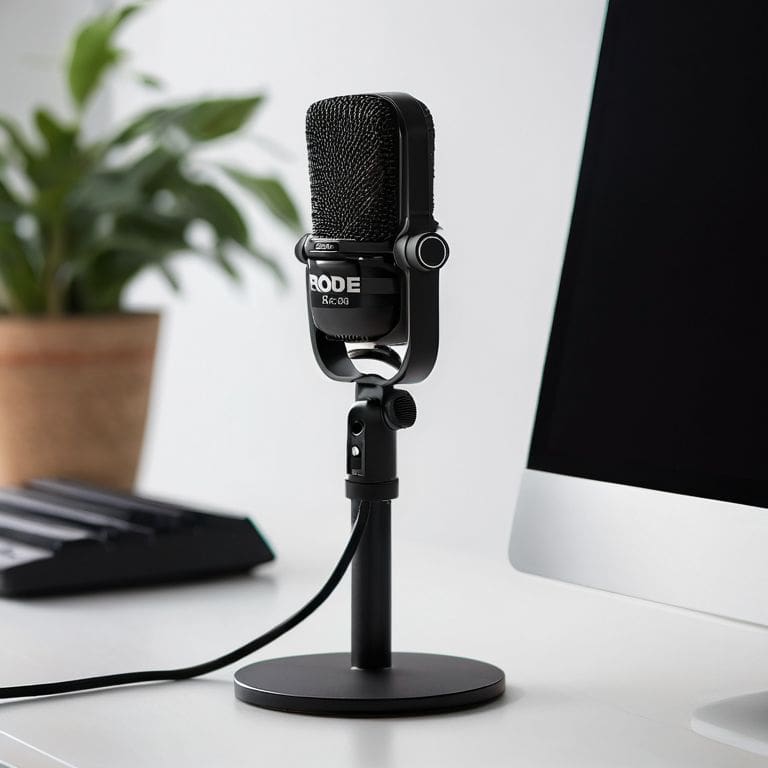
As I unboxed the Rode PodMic, I was immediately struck by its sturdy design. The microphone itself is compact and lightweight, making it easy to position and maneuver, even in tight spaces. The included desktop stand is also well-built, providing a stable base for the mic. My first impression was that this is a professional-grade piece of equipment, and I was eager to see how it would perform in real-world use. Compared to other popular options like the Blue Yeti, the Rode PodMic has a more streamlined design that suggests a focus on ease of use. For podcasting beginners, this could be a major advantage, as it allows you to focus on developing your content rather than getting bogged down in technical details.
Key Features in Action
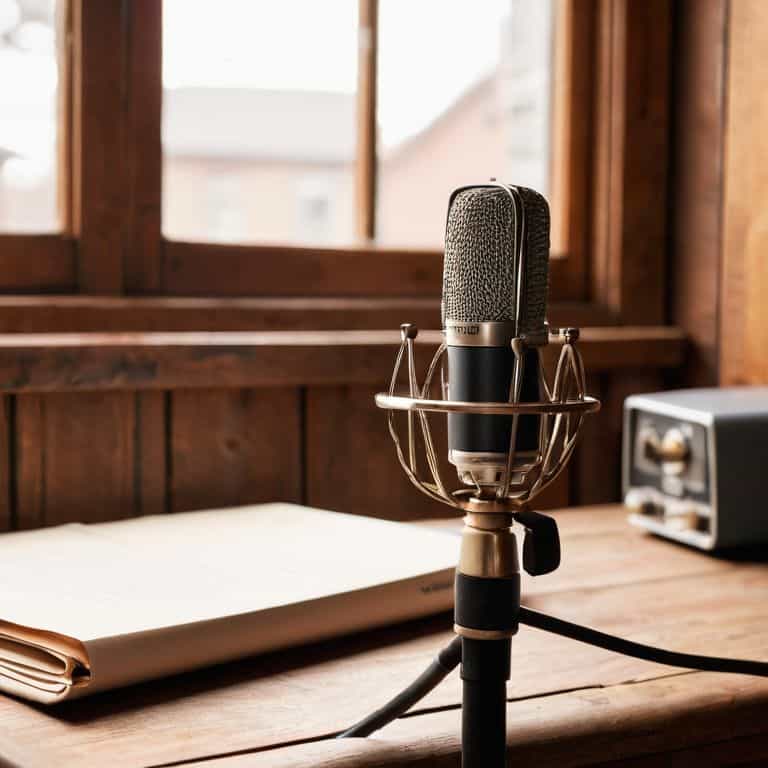
As I delved deeper into using the Rode PodMic, I was eager to put its key features to the test. One of the standout aspects of this dynamic microphone is its ability to handle high sound pressure levels, making it ideal for voiceovers and podcasting. I found that the PodMic excelled in capturing a wide range of tones, from soft whispers to loud, energetic speech. In comparison to other popular microphones, such as the Blue Yeti, the Rode PodMic holds its own, offering a more focused sound that’s well-suited for solo vocal recordings.
When it comes to noise reduction techniques, the Rode PodMic proves to be a valuable tool. Its built-in pop filter and shock mount work in tandem to minimize plosive sounds and vibrations, resulting in a cleaner audio signal. I also appreciated the ease of adjusting the gain settings to optimal levels, which helped to eliminate any background hiss or distortion. For beginners looking for the best microphone for podcasting, the Rode PodMic is certainly worth considering, especially when paired with a compatible pop filter to further enhance its noise-reducing capabilities.
Real World Performance
As I’ve delved deeper into using the Rode PodMic for my podcasting and voiceover work, I’ve been impressed by its real-world reliability. In comparison to other popular options like the Blue Yeti, the Rode PodMic has proven to be a more suitable choice for beginners, thanks to its ease of use and forgiving nature. When it comes to optimal sound quality, I’ve found that adjusting the PodMic’s gain settings is crucial. By finding the sweet spot, I’ve been able to achieve a warm and clear sound that’s perfect for voiceovers. Additionally, I’ve experimented with various noise reduction techniques, including using a compatible pop filter to minimize plosive sounds and prevent distortion. The results have been outstanding, with the Rode PodMic consistently delivering high-quality audio that’s free from unwanted background noise. Whether I’m recording a podcast or a voiceover, I can rely on the Rode PodMic to capture my voice with exceptional clarity.
Comparison With Alternatives
When it comes to choosing the right microphone for podcasting or voiceovers, the market can be overwhelming. I’ve had the chance to compare the Rode PodMic with some of its closest competitors, including the Blue Yeti. While both microphones deliver high-quality sound, there are some key differences to consider. The Blue Yeti is a more versatile microphone, offering multiple pickup patterns, but it can also be more prone to picking up background noise.
In contrast, the Rode PodMic is a dynamic microphone that excels at capturing the human voice, making it an ideal choice for podcasting beginners. Its design and construction also make it more resistant to noise and vibrations, allowing for a more focused sound. I’ve found that the Rode PodMic’s noise reduction techniques are particularly effective, even in less-than-ideal recording environments. When paired with a compatible pop filter, the PodMic can produce truly professional-sounding results, making it a top contender for best microphone for podcasting.
Who Is This Product for
As I’ve delved deeper into the capabilities of the Rode PodMic, it’s become clear that this dynamic microphone for voice overs is particularly well-suited for podcasting beginners and seasoned professionals alike. Its ease of use and high-quality sound make it an ideal choice for those looking to start their podcasting journey. For instance, the Rode PodMic’s plug-and-play functionality allows users to quickly set up and start recording, without needing to worry about complex settings or equipment.
In terms of specific use cases, the Rode PodMic is a great option for voiceover artists, podcasters, and even livestreamers. Its rode podmic noise reduction techniques, such as the built-in pop filter and shock mount, help to minimize background noise and plosive sounds, resulting in a cleaner and more polished audio signal. When comparing the Rode PodMic to other popular microphones, such as the Blue Yeti, it’s clear that the Rode PodMic offers a more streamlined and user-friendly experience, making it a great choice for those who want to focus on creating high-quality content without getting bogged down in technical details. Additionally, the Rode PodMic is compatible with a range of podmic gain settings and rode podmic compatible pop filters, allowing users to further customize their sound and optimize their recording experience.
Value for Money Final Verdict
As I reflect on my time with the Rode PodMic, I’m convinced that it offers outstanding value for money. For podcasting beginners, this dynamic microphone is an excellent choice, providing clear and crisp audio without breaking the bank. In comparison to other popular options, such as the Blue Yeti, the Rode PodMic holds its own, especially when considering its ease of use and compatibility with various pop filters.
When it comes to optimal sound quality, the PodMic’s gain settings are straightforward to adjust, and its noise reduction techniques are impressive, especially in less-than-ideal recording environments. While some may argue that it’s not the most affordable option, I firmly believe that the Rode PodMic is a wise investment for those serious about producing high-quality voiceovers or podcasts. Ultimately, its durability, combined with Rode’s reputation for excellence, makes it a solid choice for anyone seeking a reliable and versatile microphone.
5 Essential Tips for Getting the Most Out of Your Rode PodMic
- Positioning is Key: Experiment with mic placement to find the sweet spot for your voice, as the PodMic’s directional pickup pattern can greatly affect sound quality
- Pop Filter is Your Friend: Investing in a good pop filter can significantly reduce plosive sounds and prevent distortion, ensuring your recordings sound professional and polished
- Play with Gain Settings: Finding the optimal gain setting for your voice and recording environment is crucial, as too little gain can result in a weak signal, while too much can introduce noise and distortion
- Acoustic Treatment Matters: The room you’re recording in can greatly impact the quality of your recordings, so consider investing in some basic acoustic treatment to minimize echo and reverberation
- Record in a Lossless Format: To get the most out of your PodMic, record in a lossless format like WAV or AIFF, which will allow you to capture the full range and detail of your audio without compression artifacts
Three Key Takeaways from My Time with the Rode PodMic
I found the Rode PodMic to be a consistently reliable and high-quality USB microphone, perfect for voiceovers, podcasting, and streaming, with its warm and clear audio standing out in real-world use
The microphone’s durable construction and thoughtful design features, such as the integrated pop filter and swing mount, make it a joy to use and set up, even for those new to recording audio
Despite being a more affordable option in the market, the Rode PodMic punches above its weight, offering a level of performance and versatility that makes it an excellent value for money, whether you’re a seasoned pro or just starting out with audio production
A Mic That Stands the Test of Time
The Rode PodMic isn’t just a tool, it’s a trusted companion that helps you find your voice and tell your story with clarity and conviction – it’s an investment in the narrative of your creative life.
Timothy Berg
The Final Verdict
After spending considerable time with the Rode PodMic, I’ve come to a clear conclusion: this microphone strikes a perfect balance between quality and affordability. Weighing its pros, such as exceptional sound quality and a durable design, against its cons, like limited versatility and no headphone jack, it becomes evident that the Rode PodMic is a specialized tool for specific tasks. Its performance in real-world scenarios, coupled with its ease of use, makes it a desirable choice for many, despite some limitations.
The Rode PodMic is ideally suited for podcasters, voiceover artists, and streamers who require high-quality, plug-and-play audio solutions. However, those seeking a more versatile microphone for music production or multi-purpose use might find it lacking. In essence, if you’re looking for a dedicated voice microphone that delivers professional-grade sound without breaking the bank, the Rode PodMic is an excellent choice. Conversely, if your needs extend beyond voice work, you may want to explore other options that offer greater flexibility.
Frequently Asked Questions
How does the Rode PodMic handle background noise and echo in a home studio setting?
In my home studio, I’ve found the Rode PodMic to be remarkably adept at minimizing background noise and echo. Its directional pickup pattern and built-in pop filter help to focus on my voice, while rejecting ambient sounds. Even in a less-than-ideal recording space, the PodMic has consistently delivered clean, crisp audio with minimal echo or room noise.
Can the Rode PodMic be used for live streaming and if so, how well does it perform?
I’ve used the Rode PodMic for live streaming, and it’s performed admirably. The plug-and-play functionality and built-in pop filter help reduce plosives and handling noise, ensuring a smooth, high-quality audio stream. While it may not be the most conventional choice, the PodMic’s clarity and warmth make it a great option for live streamers seeking a professional sound.
What are some tips for optimizing the Rode PodMic's sound quality and getting the best possible recordings?
To optimize the Rode PodMic’s sound quality, I recommend experimenting with mic placement, adjusting your speaking distance, and using a pop filter to reduce plosives. Additionally, investing in a decent acoustic treatment for your recording space can make a significant difference in minimizing echo and reverberation, allowing the PodMic to shine.