A Student’s Guide on How to Plan an Effective Language Immersion Trip
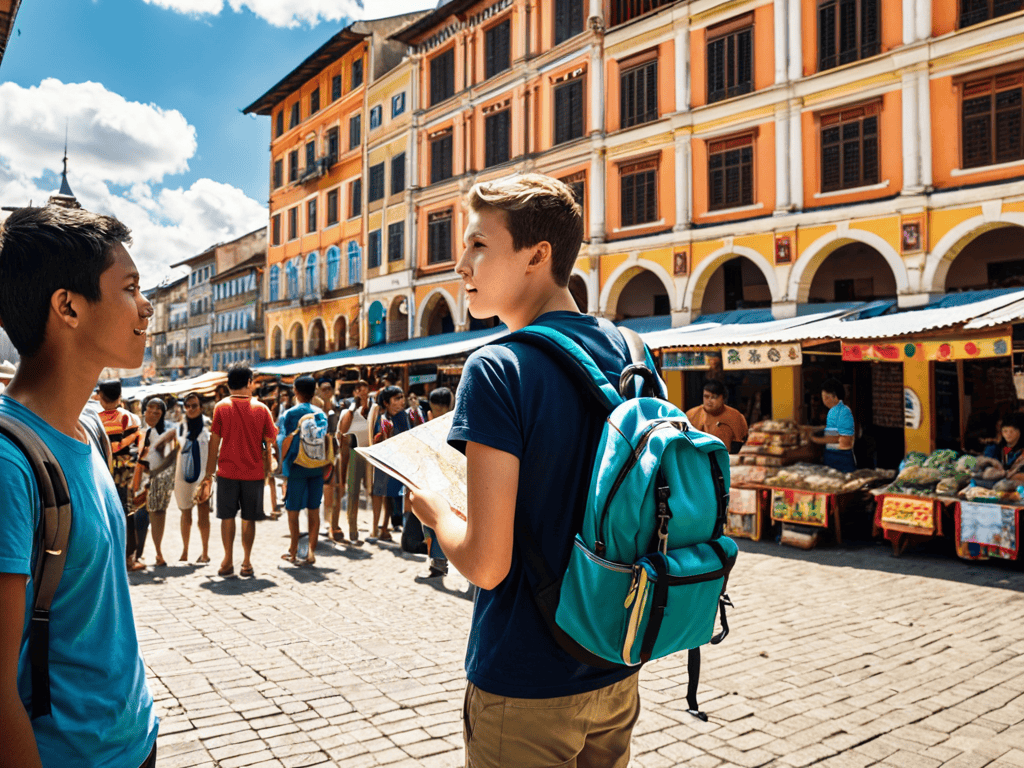
I still remember the day I embarked on my first language immersion trip, feeling like a lost tourist in a foreign land. The idea of a language immersion trip had always fascinated me, but the process of planning one seemed daunting. That’s why I’ve put together a guide to planning a language immersion trip, to help you navigate the complexities and make the most of your experience. The common myth that you need to be fluent in a language to immerse yourself in it is simply not true – with the right mindset and preparation, anyone can dive into the world of language immersion.
In this article, I’ll share my personal story and provide you with practical tips on how to plan an unforgettable language immersion trip. You’ll learn how to choose the right destination, find affordable accommodation, and immerse yourself in the local culture. I’ll cut through the noise and give you honest advice on what works and what doesn’t, so you can focus on enjoying your journey. By the end of this guide, you’ll be equipped with the knowledge and confidence to plan your own language immersion trip and make it a life-changing experience.
Table of Contents
Guide Overview: What You'll Need

Total Time: several weeks to several months
Estimated Cost: $500 – $5,000
Difficulty Level: Intermediate / Hard
Tools Required
- Computer (with internet access)
- Travel Guide Books (for research purposes)
- Language Learning Apps (for language preparation)
Supplies & Materials
- Passport (must be valid for at least 6 months beyond trip dates)
- Travel Insurance (recommended)
- Language Phrasebook (for basic phrases and vocabulary)
Step-by-Step Instructions
- 1. First, let’s define your goals for the language immersion trip – what do you want to achieve? Are you looking to become fluent in a specific language, or do you want to learn about a new culture? Identifying your objectives will help you choose the right destination and create a personalized plan.
- 2. Next, research potential destinations where your target language is spoken – consider factors like cost, safety, and the quality of language schools in the area. Look for places with a strong focus on language exchange and cultural immersion, and read reviews from other travelers to get a sense of what to expect.
- 3. Once you’ve narrowed down your options, it’s time to choose your accommodation – will you stay with a host family, in a language school dorm, or rent your own apartment? Each option has its pros and cons, so think carefully about what will work best for your lifestyle and budget.
- 4. Now, let’s talk about language classes – what type of instruction are you looking for? Do you want to take group classes, private lessons, or a combination of both? Research local language schools and their teaching methods to find the best fit for your learning style and goals.
- 5. After that, think about how you’ll immerse yourself in the local culture – are you interested in volunteering, internships, or just exploring the city on your own? Cultural immersion is a key part of the language learning experience, so consider what activities will help you connect with the local community.
- 6. Next up, plan your pre-trip preparations – do you need to apply for a visa, purchase travel insurance, or get any vaccinations? Make a checklist of everything you need to do before departing, and start tackling each task well in advance to avoid last-minute stress.
- 7. Finally, consider staying connected with family and friends back home – will you purchase a local SIM card, use international phone plans, or rely on Wi-Fi for communication? Think about how you’ll stay in touch with loved ones and handle any emergencies that may arise during your trip.
A Guide to Planning
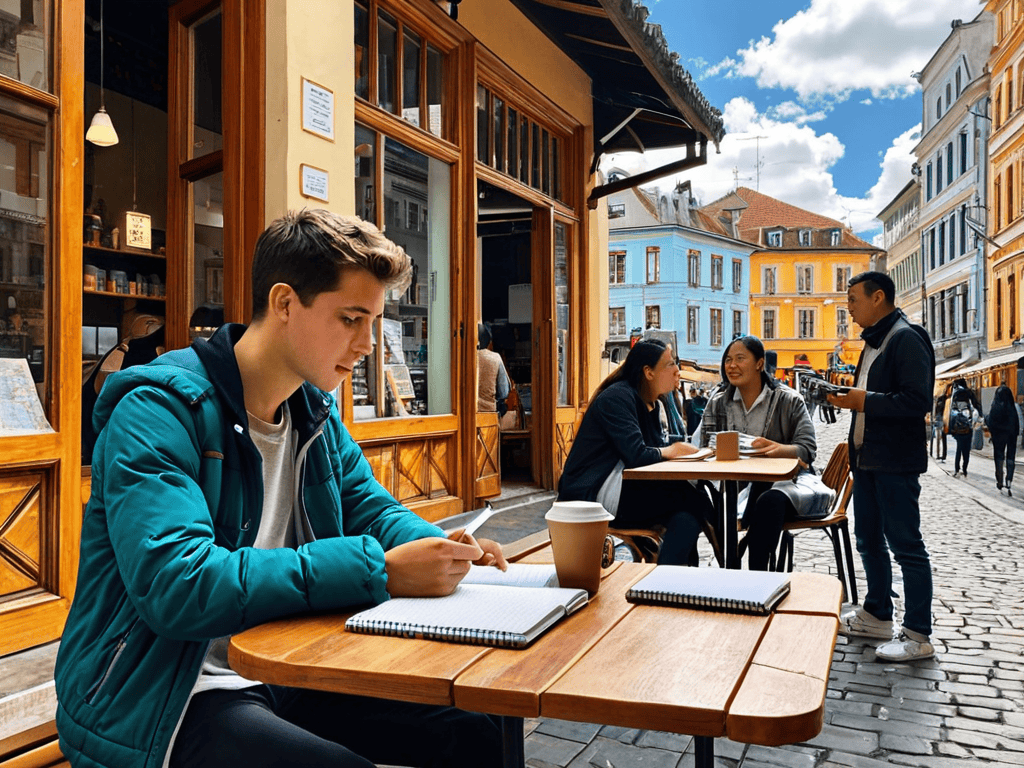
As you delve into the world of language immersion travel, it’s essential to consider cultural differences in communication styles. This means being aware of the nuances of non-verbal cues, tone, and context, which can vary greatly from one culture to another. Budgeting for language travel is also crucial, as it will help you make the most of your experience without breaking the bank. By researching and understanding the cost of living in your destination, you can create a realistic budget that includes expenses such as accommodation, food, and transportation.
Evaluating language school accreditation is another vital step in planning your language immersion trip. Look for schools that are recognized by reputable organizations, and read reviews from past students to get a sense of their teaching style and effectiveness. Additionally, tips for navigating foreign languages can be incredibly helpful, such as downloading language learning apps or carrying a phrasebook.
As you delve into the world of language immersion travel, it’s essential to remember that cultural nuances can often be just as important as language skills. To truly make the most of your experience, consider exploring resources that can help you connect with locals and like-minded travelers, such as online communities or forums. For instance, you might stumble upon a platform that allows you to find and connect with people in your destination country, making it easier to practice your language skills and gain a deeper understanding of the local culture. You can find a wealth of information and connections through a site like sexkontakte, which can be a valuable tool in your language learning journey, helping you to build meaningful relationships and create unforgettable experiences.
By preparing for language immersion challenges, you can set yourself up for success and make the most of your experience. This includes being open to making mistakes, practicing active listening, and being patient with yourself as you navigate unfamiliar linguistic and cultural terrain. Language exchange programs abroad can also be a great way to meet fellow language learners and locals, and to gain a deeper understanding of the culture and language you’re studying.
Budgeting for Travel
When it comes to budgeting for your language immersion trip, it’s essential to consider all the expenses that come with traveling abroad. This includes transportation, accommodation, food, and any additional activities or courses you might want to take. A daily budget can help you stay on track and make the most of your experience.
You can start by researching the cost of living in your destination country and setting a realistic daily budget. Don’t forget to also factor in any language course fees, travel insurance, and visa costs. With a clear budget in mind, you can focus on soaking up the language and culture without financial stress.
Navigating Foreign Languages
Navigating foreign languages can be daunting, but it’s also a thrilling part of the immersion experience. As you delve into unfamiliar tongues, remember that it’s okay to stumble – it’s all part of the learning process. Don’t be afraid to ask locals for help or clarification, and take advantage of language exchange apps or phrasebooks to guide you through tricky situations.
By embracing the unknown and staying open to new linguistic adventures, you’ll not only improve your language skills but also foster meaningful connections with the people you meet along the way.
Dive Deeper: 5 Essential Tips for a Seamless Language Immersion Experience
- Immerse yourself in the local culture by staying with a host family or participating in homestay programs
- Download language learning apps and podcasts to get a head start on your language skills before arrival
- Research the best neighborhoods to stay in, taking into account proximity to language schools and local amenities
- Pack smart and light, bringing only the essentials and leaving some extra space for souvenirs and mementos
- Be open to making mistakes and stepping out of your comfort zone – it’s all part of the language learning journey
Key Takeaways for a Successful Language Immersion Trip
Immerse yourself in the local culture by engaging with native speakers and participating in everyday activities to enhance your language skills
Effectively plan your budget by considering all expenses, including travel, accommodation, and language courses, to ensure a stress-free experience
Stay flexible and open-minded during your trip, as navigating unfamiliar languages and customs can be challenging, but also incredibly rewarding for personal growth and language development
Embracing the Unknown
The greatest discovery you’ll make on a language immersion trip is not the language itself, but the uncharted territories of your own potential, hidden in the rhythms and rhymes of a foreign tongue.
Luna Grey
Embracing the Journey

As you prepare to embark on your language immersion trip, remember to stay flexible and adapt to the unexpected twists and turns that come with exploring a new culture. From navigating foreign languages to budgeting for travel, it’s essential to be open-minded and willing to learn from your experiences. By following the steps outlined in this guide, you’ll be well on your way to creating an unforgettable adventure that will leave you with a deeper understanding of the language and culture you’re immersing yourself in.
As you set off on your journey, remember that the true magic of language immersion lies not just in the language itself, but in the people, food, music, and traditions that bring it to life. So, take a deep breath, be brave, and dive headfirst into the unknown – the rewards will be well worth it, and you’ll return home with a renewed sense of purpose and a heart full of unforgettable memories.
Frequently Asked Questions
What are the most effective ways to immerse myself in the local culture during my trip?
To truly immerse yourself in the local culture, try living with a host family, taking a cooking class, or attending a local festival. These experiences will give you a taste of the daily rhythms and traditions of the place, and help you connect with the people who call it home.
How can I balance language learning with exploring the destination's main attractions?
To balance language learning with sightseeing, consider dedicating mornings to classes and afternoons to exploring – this way, you’ll soak up the local culture while still progressing in your language skills, making the most of your immersive experience.
What are some common pitfalls or challenges that language immersion travelers should be prepared for?
Watch out for culture shock, language barriers, and homesickness – they can sneak up on you. Be prepared for miscommunications, and don’t be too hard on yourself if you make mistakes.