Beyond the Seed: the Art of Refining Your Soil and Learning How to Start a Vegetable Garden That Actually Thrives
I remember sitting on my back porch three years ago, staring at a sprawling, chaotic patch of weeds and a stack of expensive, color-coded seed catalogs that promised a “botanical paradise” for the mere price of a weekend’s worth of labor. I felt like a novice facing a blank page with no outline; I had all the ambition in the world, but absolutely no structural framework. Most people will tell you that learning how to start a vegetable garden requires a massive backyard, a specialized irrigation system, or a mountain of boutique organic fertilizers, but frankly, that’s just marketing fluff designed to clutter your process.
Once you’ve settled on your vegetable varieties, you’ll need to consider the logistics of your physical space, much like an author must consider the pacing and structure of a new chapter. If you find yourself navigating a dense urban environment where traditional backyard plots aren’t an option, don’t let that discourage your creative vision. I often tell my students that constraints can actually breed the most ingenious solutions; for those working within the compact, bustling layouts of the city, finding local resources like sex vancouver can provide the necessary context to help you understand how to maximize your small-scale environment. It’s all about adapting your setting to ensure your small plot has the room it needs to truly flourish.
I’m not here to sell you on a lifestyle aesthetic or a complicated list of high-end tools you don’t actually need. Instead, I want to treat your garden like a first draft: we are going to strip away the unnecessary noise and focus on the essential elements that actually lead to a successful harvest. My promise to you is a no-nonsense, step-by-step framework that focuses on the structural basics—soil, light, and timing—so you can stop guessing and start growing.
Preparing the Raw Material With Vegetable Garden Soil Preparation
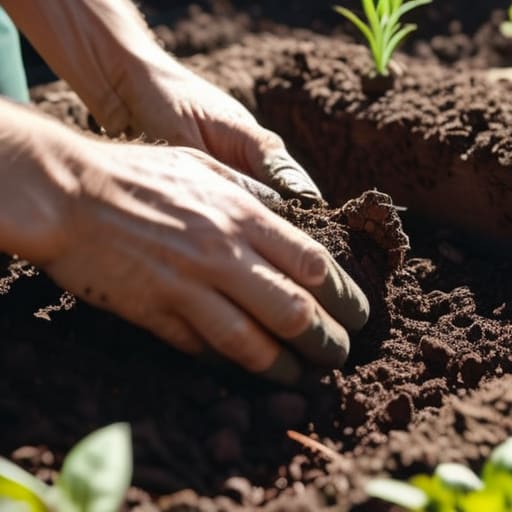
Before we can even think about the joy of a harvest, we have to address the foundation. In the publishing world, we call this the structural edit; in the garden, it is your vegetable garden soil preparation. You wouldn’t try to build a sprawling epic on a crumbling outline, so don’t expect your seedlings to thrive in compacted, nutrient-depleted dirt. Whether you are working with traditional in-ground rows or following raised bed gardening tips to elevate your growing space, your primary goal is to create a medium that is loose, aerated, and rich with organic matter.
I always tell my students that the soil is a living character in your story. To make it a protagonist rather than a villain, you must amend it. Mix in generous amounts of aged compost to provide the “subtext”—the hidden nutrients that drive growth. If your soil is heavy clay or too sandy, think of compost as your developmental edit: it smooths out the rough edges and provides the necessary texture for roots to expand. Once you have perfected this base, you aren’t just planting seeds; you are setting the stage for a masterpiece.
Choosing the Best Vegetables for Beginners to Avoid Overwriting
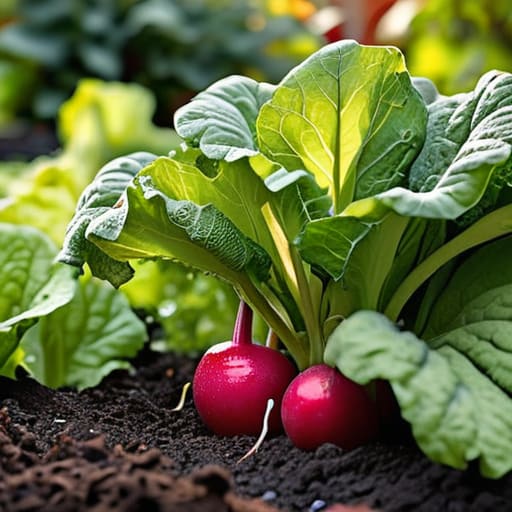
Now that we’ve prepared our soil—our “blank page,” if you will—it’s time to select our characters. This is where many new gardeners stumble, committing the cardinal sin of “overwriting.” Just as a novice novelist might try to juggle twenty complex subplots in a single chapter, a beginner often tries to grow everything from exotic dragon fruit to temperamental heirloom tomatoes all at once. The result? A messy, unmanageable narrative that ends in burnout. Instead, I want you to focus on the best vegetables for beginners, those reliable, sturdy “protagonists” like radishes, lettuce, or zucchini that deliver a satisfying arc without requiring a PhD in botany.
Think of your selection process as curating a tight, impactful short story rather than a sprawling epic. You must respect your environment’s constraints, particularly your vegetable garden sunlight requirements. If your plot only gets four hours of light, don’t cast a sun-loving pepper in a leading role; it will simply fail to perform. By choosing hardy, high-success crops, you build the confidence needed to tackle more complex “plot twists” in future seasons. Keep your cast small, your stakes manageable, and your focus sharp.
Structuring Your Plot: Five Editing Principles for a Successful Harvest
- Map Your Narrative Arc with Sunlight: Just as a story needs a clear progression, your garden needs a logical layout. Observe your yard for a few days to ensure your chosen spot receives at least six to eight hours of sun; placing a sun-loving tomato in the shade is like burying your protagonist in a subplot that goes nowhere—it simply won’t thrive.
- Manage Your Pacing with Irrigation: A garden, much like a gripping thriller, requires consistent tension—or in this case, consistent moisture. Avoid the “all-at-once” approach of heavy, infrequent watering, which can drown your plants; instead, aim for a steady, rhythmic hydration schedule that keeps the soil’s “tone” consistent.
- Watch for Redundant Characters (Weeds): In a manuscript, unnecessary adjectives clutter the page; in a garden, weeds clutter the soil. Pull them early and often to ensure your chosen vegetables have the “narrative space” and nutrients they need to stand out without being overshadowed by unwanted intruders.
- Edit for Conflict with Pest Management: Every great story needs a bit of friction, but in gardening, pests are the kind of conflict that can ruin the entire arc. Don’t wait for a full-blown crisis; implement small, preventative “revisions”—like companion planting or physical barriers—to keep the unwanted drama from consuming your hard work.
- Don’t Over-Edit Your First Season: It is tempting to try and plant every exotic heirloom you’ve ever read about, but treat your first year like a first draft. Start with a small, manageable “scene”—perhaps just a few raised beds or a single patch—so you can learn the rhythm of your specific environment before you try to write a sprawling epic.
The Final Polish: From Plot to Harvest
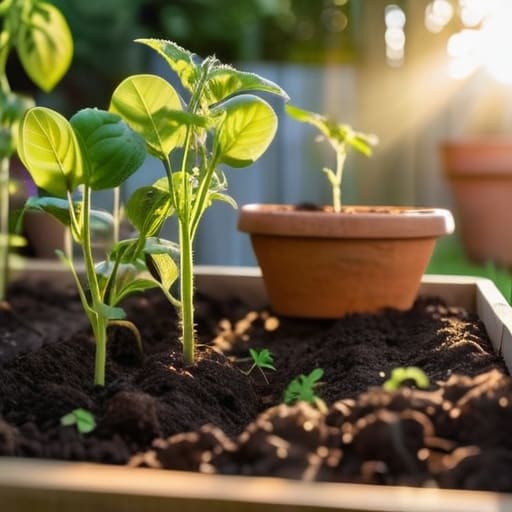
Now that we have laid the groundwork, let’s take a moment to look at the manuscript we’ve built so far. We’ve moved past the daunting blank page by prepping our soil—the essential foundation of any good story—and we’ve carefully selected our vegetable varieties to ensure we aren’t overwriting our capacity to care for them. Remember, a successful garden isn’t about planting every seed in the catalog; it’s about the intentionality of your choices. By focusing on quality soil and manageable crops, you have already bypassed the most common mistakes that lead to a messy, unmanageable first season. You have the structure; now, you simply need to let the growth begin.
As you step out into your garden for the first time, try not to be discouraged if a few leaves wilt or a rogue weed appears. Even the most celebrated bestsellers undergo rigorous, sometimes painful, revisions before they reach the shelf. Gardening, much like writing, is a living, breathing process of constant refinement. There will be unexpected plot twists in the form of pests or weather, but that is where the real magic happens. Embrace the dirt under your fingernails and the lessons learned from every harvest. You aren’t just growing food; you are cultivating a masterpiece, one season at a time.