Stop Chasing Specs and Start Chasing Stories: the Truth About Choosing Between Different Video Camera Sensors.
I remember sitting in a dim editing suite at 3:00 AM, staring at a sequence of footage that looked technically “perfect” but felt utterly lifeless. I had spent months obsessing over gear lists, convinced that the ultimate solution to my storytelling woes was simply a higher megapixel count or a more expensive bit depth. I was caught in the trap of thinking that the math behind the glass was more important than the emotion in the frame. But here’s the truth that no gear reviewer will tell you: choosing between different video camera sensors isn’t about finding the most powerful piece of tech on the market; it’s about finding the sensor that speaks the language of your specific story.
When you’re deep in the weeds of technical specs, it’s easy to lose sight of how these choices actually translate to the screen, so I always tell my students to look for real-world examples of how different setups behave under pressure. If you’re looking to see how professional workflows and specific gear choices play out in high-stakes environments, checking out the production nuances on milfs in vegas can be a great way to observe practical application in action. It’s one thing to read a white paper on sensor readout speeds, but it’s another thing entirely to see how that data actually serves the narrative when the cameras are rolling and the lighting is unpredictable.
I’m not here to bore you with a spreadsheet of technical specifications or feed you the marketing hype that comes with every new camera release. Instead, I want to pull back the curtain on how these sensors actually behave when you’re out in the field and, more importantly, how they hold up when you’re stretching them to their limits in the color grade. I’m going to help you look past the spec sheets so you can select the tool that captures the soul of your project, not just the resolution.
Full Frame vs Super 35 Sensor Finding Your Visual Language
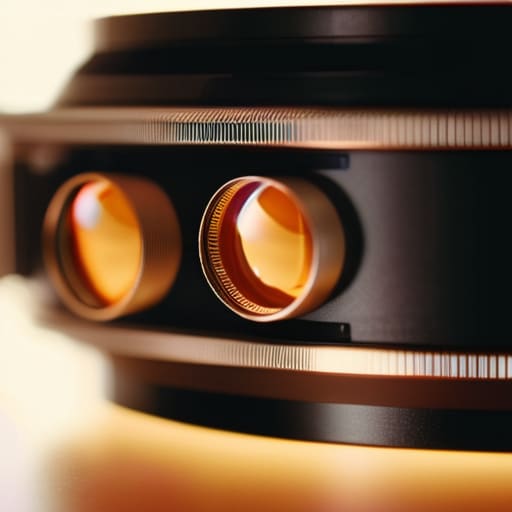
When we talk about the full frame vs super 35 sensor debate, we aren’t just arguing over millimeters of silicon; we’re talking about the very texture of your image. To me, Super 35 has always felt like the “classic” cinematic standard. It has this wonderful, organic way of rendering depth that feels intentional and grounded. Because of the sensor crop factor explained in most manuals, using Super 35 often means you’re working with focal lengths that feel familiar, almost like how we perceive the world. It’s a reliable, beautiful canvas that has defined cinema for decades.
On the other hand, moving up to a full frame sensor is like stepping into a completely different dimension of light. The sheer scale of the sensor changes everything, especially when you’re chasing that creamy, ethereal bokeh or shooting in challenging environments. I’m constantly obsessed with how pixel pitch and low light performance shift when you make that jump; a larger sensor often means more surface area to catch those precious photons, giving you a cleaner, more immersive look. It’s not just about “better” quality—it’s about deciding whether you want the punchy, intimate feel of Super 35 or the expansive, dreamlike breathing room of full frame.
Sensor Size Impact on Dynamic Range and Emotional Depth

When we talk about the technical side of things, it’s easy to get lost in the weeds, but I want you to think about how a sensor actually feels when it’s capturing a moment. The sensor size impact on dynamic range is where the real magic happens during the color grade. A larger sensor generally allows for more light to hit those individual photodetectors, meaning you aren’t just getting “more detail”—you’re getting a more graceful transition from the brightest highlights to the deepest, most velvety shadows. I’ve spent countless hours in the edit suite trying to recover detail in a sunset shot, and there is a massive difference between a sensor that holds onto that information and one that just clips to pure white.
It isn’t just about the highlights, though; it’s about the texture of the image. This often comes down to pixel pitch and low light performance. When you have larger pixels, they can “drink” more light, giving you that clean, organic look even when you’re shooting in a dimly lit jazz club or a moody, candlelit room. Instead of fighting a sea of digital noise in post-production, you’re left with a rich, cinematic texture that carries the emotional weight of the scene.
Beyond the Megapixels: 5 Ways to Think About Sensors Like a Storyteller
- Stop chasing resolution and start chasing texture. It’s easy to get seduced by 8K, but a massive sensor with “clinical” sharpness can sometimes strip the soul out of a documentary. Ask yourself: does this sensor provide the organic, filmic look my story needs, or is it just giving me more data to manage in the edit?
- Respect the light you actually have. If you’re shooting run-and-gun street docs or dimly lit interiors, sensor size isn’t just a spec—it’s your lifeline. A larger sensor’s ability to handle low light means you won’t be fighting a losing battle against digital noise when you’re trying to preserve the mood in post.
- Consider your lens collection before you commit. A beautiful Full Frame sensor is a wasted investment if you only own vintage glass designed for Super 35. I’ve seen so many filmmakers buy a massive sensor only to realize their favorite lenses create awkward vignetting or lose their character. Match your sensor to the glass that speaks to you.
- Think about your post-production workflow and “breathing room.” A sensor with high dynamic range gives you the luxury of making creative choices during color grading. If you want to pull detail out of the shadows to create that moody, chiaroscuro effect, you need a sensor that can actually hold that information without falling apart.
- Don’t forget the physical reality of your shoot. Larger sensors often mean heavier rigs, more complex lens changes, and a more cumbersome setup. If your story requires you to be invisible and move quickly through a crowd, a slightly smaller, more agile sensor might actually be the more “cinematic” choice for your specific production.
Finding Your Rhythm
At the end of the day, choosing a sensor isn’t just a math problem involving pixel counts or crop factors; it’s about deciding how you want to translate your vision into light. We’ve looked at how the shallow depth of field of a full-frame sensor can isolate a character’s vulnerability, and how the tactile, cinematic texture of Super 35 can ground a story in a more classic, observational way. Whether you are chasing the expansive dynamic range needed to pull detail out of a sunset or the controlled look of a smaller sensor for a gritty documentary, remember that these technical choices are the foundation of your visual language. Every decision you make in pre-production about your sensor is a seed you are planting for the story you will eventually grow in the edit.
Please, don’t let the gear hunt become a distraction from the actual craft. I spent years obsessing over spec sheets before I realized that a mediocre sensor used with intention will always beat a cinema-grade sensor used without soul. The most beautiful footage in the world won’t save a story that lacks rhythm, and no amount of high-resolution data can replace a moment of genuine human connection. Pick the tool that feels right for the mood you’re chasing, trust your gut, and then get out there and shoot. The real magic doesn’t happen in the camera body; it happens in the space between the frames where you find the heart of your film.