A Storyteller’s Beginner’s Guide to Lightroom

I still remember the first time I opened a beginner’s guide to lightroom and felt overwhelmed by the countless tools and features. It was like trying to learn a new language, and I wasn’t sure where to start. But as I delved deeper into the world of Lightroom, I realized that mastering the basics was the key to unlocking its true potential. The myth that you need to be a tech-savvy photographer to use Lightroom is simply not true. With the right guidance, anyone can learn to navigate its interface and breathe life into their photos.
As you embark on this journey with me, I promise to share practical tips and honest advice on how to get the most out of Lightroom. We’ll explore the fundamentals of editing, from adjusting exposure and contrast to working with presets and brushes. My goal is to help you develop a personal editing style that enhances your photos without over-processing them. By the end of this guide, you’ll be equipped with the knowledge and confidence to take your photography to the next level, and make Lightroom an indispensable tool in your creative workflow.
Table of Contents
Guide Overview: What You'll Need

Total Time: 2 hours 30 minutes
Estimated Cost: $0 – $10
Difficulty Level: Easy
Tools Required
- Computer (with Adobe Lightroom installed)
- External Hard Drive (for backing up photos)
- Internet Connection (for accessing tutorials and updates)
Supplies & Materials
- Adobe Lightroom Software (free trial or subscription)
- Digital Photos (for practicing editing techniques)
- User Manual or Tutorial (optional, for additional guidance)
Step-by-Step Instructions
- 1. First, let’s start by downloading and installing Adobe Lightroom on your computer, which is a straightforward process that requires you to create an Adobe account or sign in if you already have one. Once installed, launch the application and you’ll be greeted with a simple and intuitive interface that will be your gateway to unlocking the full potential of your photographs.
- 2. Next, import your photos into Lightroom by clicking on the “Import” button, which allows you to select the images you want to work with from your computer or external hard drives. It’s essential to organize your files in a way that makes sense to you, whether by date, event, or theme, to make the editing process more efficient.
- 3. After importing your photos, you’ll find yourself in the Library module, where you can browse and manage your images. This is where you can apply filters, sort, and select the photos you want to edit. Take some time to familiarize yourself with the different panels and tools available in this module, as they will be crucial in your editing journey.
- 4. Now, let’s move on to the Develop module, which is the heart of Lightroom’s editing capabilities. Here, you’ll find a wide range of tools and sliders that allow you to adjust the exposure, contrast, and color balance of your images. Start by applying the “Auto” adjustment to get a sense of how the algorithm suggests you should edit your photo, and then feel free to experiment with the different sliders to fine-tune the look and feel of your image.
- 5. One of the most powerful features in Lightroom is the Graduated Filter, which enables you to apply local adjustments to specific parts of your image. This tool is particularly useful for enhancing skies or balancing exposure in high-contrast scenes. To use the Graduated Filter, simply click on the tool icon, adjust the settings to your liking, and then drag the filter across the area of the image you want to affect.
- 6. As you become more comfortable with the different tools and features in Lightroom, it’s essential to develop a workflow that works for you. This might involve applying a consistent set of adjustments to all your images, or using the Presets feature to save and apply specific looks to your photos. Experiment with different approaches until you find one that simplifies your editing process and helps you achieve the results you’re looking for.
- 7. Finally, once you’ve edited your photos to your satisfaction, it’s time to export them for use in various contexts, such as printing, sharing on social media, or incorporating into a website or blog. Lightroom provides a range of export options, including the ability to batch process multiple images at once, which can save you a significant amount of time and effort in the long run.
A Beginners Guide to Lightroom

As I delve deeper into the world of Lightroom, I want to share with you some essential tips for mastering this powerful tool. One of the most crucial aspects to understand is the difference between Lightroom Classic vs CC, and how each version caters to different needs and workflows. For instance, Lightroom Classic is ideal for photographers who work with a large volume of images and require more advanced features, whereas Lightroom CC is perfect for those who need a more streamlined and cloud-based experience.
When it comes to understanding Lightroom catalogs, it’s vital to recognize how they organize and store your images. This knowledge will help you create a seamless Lightroom workflow for photographers, allowing you to focus on the creative process rather than getting bogged down by technicalities. By establishing a well-structured catalog system, you’ll be able to efficiently manage and edit your photos, making the most of your time and energy.
To take your editing skills to the next level, I recommend exploring basic Lightroom presets and learning how to create your own custom presets. This will enable you to develop a consistent style and tone in your photographs, setting you apart as a photographer. Additionally, understanding how to master Lightroom’s Develop module will give you the flexibility to make precise adjustments and bring out the best in your images.
Mastering Basic Lightroom Presets
As I delve into the world of Lightroom, I’m reminded of the countless hours I spent developing film in my darkroom, watching images come to life. Similarly, in Lightroom, presets can elevate your photos, adding a unique touch. I recommend starting with basic presets, experimenting with subtle adjustments to exposure, contrast, and color balance. This allows you to understand how each tweak impacts the overall mood of your image.
By mastering these basic presets, you’ll develop an eye for what works best for your photography style. I often use presets as a starting point, then fine-tune to capture the essence of my subject. Remember, the goal is to enhance, not overpower, the story your photo tells. With practice, you’ll find the perfect balance, and your photos will begin to shine with a unique, personal touch.
Unlocking Lightroom Classic vs Cc
As I delve into the world of Lightroom, I often get asked about the differences between Lightroom Classic and Lightroom CC. For me, it’s all about the creative process. Lightroom Classic is where I feel most at home, with its robust features and offline access. On the other hand, Lightroom CC offers a more streamlined experience, with seamless syncing across devices. When I’m working on a project, I tend to rely on Classic for its advanced editing tools, but CC is perfect for on-the-go adjustments.
Ultimately, the choice between Classic and CC depends on your personal workflow and preferences. I recommend exploring both options to see which one resonates with your unique style and creative vision.
5 Essential Tips to Elevate Your Lightroom Experience
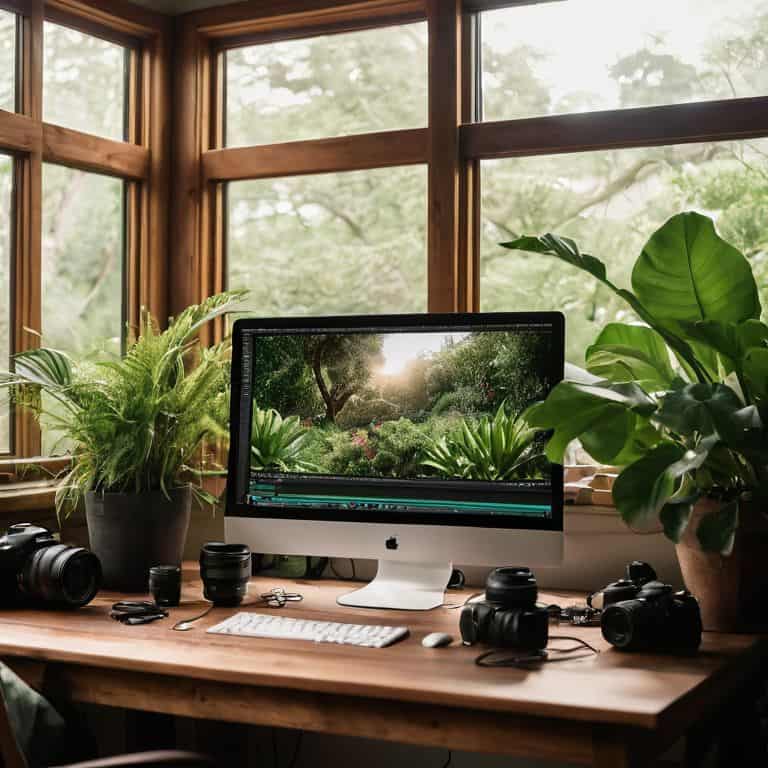
- Start with a solid foundation: Organize your photos into collections and folders to make the most of Lightroom’s powerful cataloging features
- Master the art of non-destructive editing: Learn to use the Develop module to make adjustments to your photos without altering the original files
- Unleash the power of presets: Experiment with different presets to find the ones that fit your style and save time in your editing workflow
- Pay attention to the details: Use the Adjustment Brush and Gradient Filter tools to make precise local adjustments and add depth to your photos
- Practice, practice, practice: The key to mastering Lightroom is to use it regularly and experiment with different techniques to find what works best for you and your photography style
Key Takeaways for a Beginner's Guide to Lightroom
Mastering the basics of Lightroom, including understanding the differences between Lightroom Classic and CC, is crucial for effectively editing and enhancing your photographs
Learning to work with presets and manually adjusting settings allows you to develop a consistent style and voice in your photography, making your images more impactful and personal
By dedicating time to practice and experiment within Lightroom, you’ll unlock the full potential of your photos, discovering new ways to tell stories and evoke emotions through the art of photographic editing
Illuminating the Path
As we embark on this journey through Lightroom, remember that the true power of editing lies not in the software itself, but in the stories we uncover and the emotions we evoke – for it’s in the subtle dance of light and shadow that our photographs come alive.
Julian Kade
Conclusion: Unlocking Your Creative Potential
As we conclude this beginner’s guide to Lightroom, I hope you’ve gained a deeper understanding of the fundamentals of editing and how to apply them to your own photography practice. We’ve explored the differences between Lightroom Classic and CC, and delved into the world of basic presets, learning how to use them to enhance our images. By mastering these essential skills, you’ll be well on your way to unlocking the full potential of your photos and developing a unique visual style that sets you apart.
Now, as you continue on your photographic journey, remember that the true power of Lightroom lies not in its technical capabilities, but in its ability to help you tell your story. Don’t be afraid to experiment, to push boundaries, and to see the world in a new light. With practice and patience, you’ll find that your photos become more than just images – they become a reflection of your vision, your passion, and your creativity. So, keep shooting, keep editing, and most importantly, keep seeing the world with fresh eyes, and you’ll be amazed at the stories you can tell.
Frequently Asked Questions
What are the key differences between Lightroom Classic and Lightroom CC for a beginner?
For a beginner, the key difference between Lightroom Classic and CC lies in their workflow and cloud accessibility. Classic is ideal for those with existing libraries, offering more advanced features, while CC is perfect for newcomers, providing a streamlined, cloud-based experience with seamless syncing across devices.
How do I choose the right preset for my photos in Lightroom?
Choosing the right preset is all about understanding the mood and story you want to convey. I like to think of presets as a starting point, not a destination. Experiment with different options, and trust your instincts – does the preset enhance the emotional impact of your image, or distract from it?
Can I use Lightroom to edit and enhance my photos even if I'm not a professional photographer?
Absolutely, Lightroom is for anyone who wants to elevate their photos. I’ve seen hobbyists and enthusiasts achieve stunning results with just a few tweaks. It’s all about understanding the basics and experimenting with presets to find your style. Don’t worry if you’re not a pro – Lightroom’s intuitive interface makes it easy to learn and enhance your photos.