A Guide to Making Your Own Non-toxic (and Cheap) Household Cleaners
I still remember the day I decided to ditch the harsh chemicals and make my own non-toxic household cleaners. It was a total game-changer for my home and my family’s health. As someone who’s passionate about living a more sustainable lifestyle, I was frustrated with the lack of transparency in commercial cleaning products. So, I started experimenting with natural ingredients and was amazed at how effective they were. Now, I’m excited to share my knowledge with you and show you how to make your own non-toxic household cleaners that are not only better for the environment but also gentle on your skin.
In this article, I’ll take you through a step-by-step guide on creating your own cleaning potions using simple, everyday ingredients. You’ll learn how to make everything from all-purpose cleaners to disinfectants, and I’ll share my favorite tips and tricks for making the process easy and fun. My goal is to empower you with the knowledge and confidence to take control of the chemicals in your home and start living a healthier, more sustainable lifestyle. By the end of this article, you’ll be equipped with the practical advice and no-nonsense guidance you need to start making your own non-toxic household cleaners and enjoying the benefits of a cleaner, greener home.
Table of Contents
- Guide Overview: What You'll Need
- Step-by-Step Instructions
- How to Make Your Own Non Toxic Household Cleaners
- Concocting Diy All Purpose Cleaner With Essential Oils
- Crafting Natural Disinfectant Spray for a Greener Home
- 5 Essential Tips for Brewing Your Own Non-Toxic Cleaning Concoctions
- Key Takeaways for a Cleaner, Greener Home
- The Power of Pure Creation
- Empowering a Healthier Home
- Frequently Asked Questions
Guide Overview: What You'll Need
Total Time: 1 hour 15 minutes
Estimated Cost: $15 – $30
Difficulty Level: Easy
Tools Required
- Measuring Cups (1 cup and 1/2 cup)
- Funnel
- Spoon or Stirring Stick
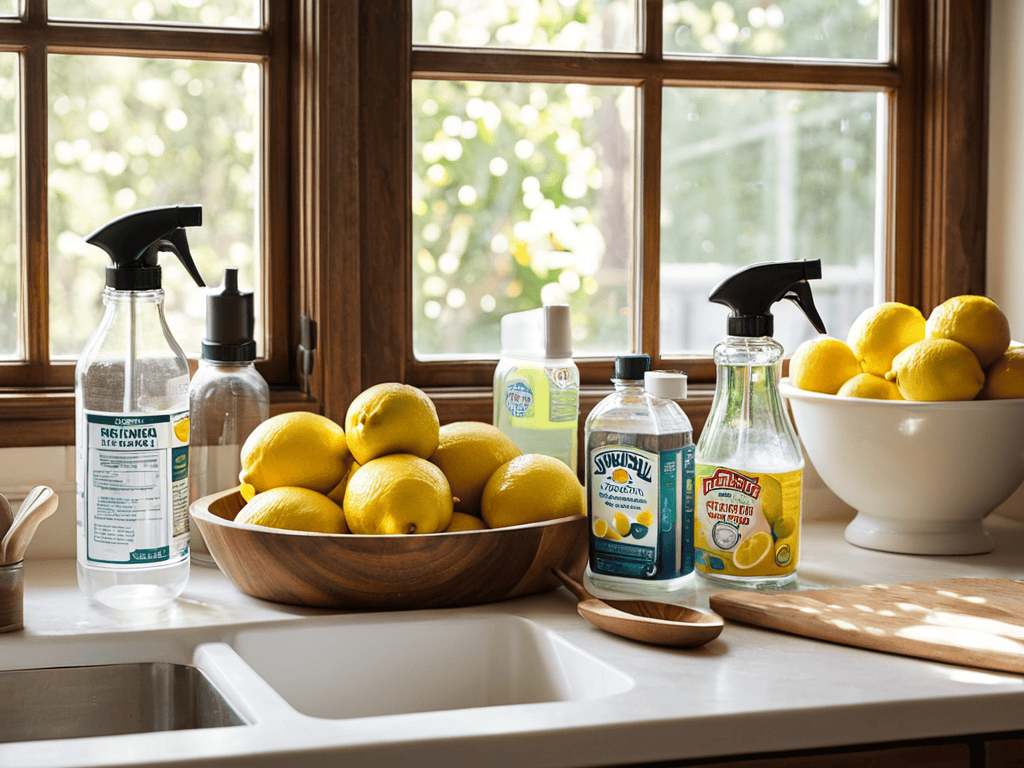
- Glass Spray Bottles (16 ounces or 1/2 liter)
Supplies & Materials
- Baking Soda (1 cup)
- Washing Soda (1 cup)
- White Vinegar (1 gallon)
- Castile Soap (1/2 cup)
- Essential Oils (optional, a few drops)
- Water
Step-by-Step Instructions
- 1. First, let’s start by gathering our essential ingredients, which typically include baking soda, white vinegar, and castile soap. These natural wonders will form the basis of our non-toxic cleaning arsenal, allowing us to tackle everything from dusty surfaces to greasy countertops. When selecting your ingredients, be sure to opt for high-quality, eco-friendly options that align with your values.
- 2. Next, we’ll create our all-purpose cleaning solution by mixing 1 cup of water, 1/2 cup of white vinegar, and 1 tablespoon of castile soap in a small bowl. This simple yet effective blend can be used to wipe down surfaces, clean mirrors, and even tackle stubborn stains on carpets and upholstery. Remember to always spot test a small area before applying any new cleaning solution to ensure you don’t damage the material.
- 3. Now, let’s move on to making our scrubbing powder, which is perfect for tackling tough messes in the kitchen and bathroom. To make this powder, combine 1 cup of baking soda, 1/2 cup of washing soda, and 1 tablespoon of castile soap in a small bowl. Mix the ingredients together until they form a smooth, consistent paste that can be easily applied to surfaces using a sponge or cloth.
- 4. For those tough grease and grime stains, we’ll create a powerful cleaning paste by mixing 1/2 cup of baking soda, 1/4 cup of castile soap, and 1/4 cup of white vinegar in a small bowl. This heavy-duty paste can be applied directly to the stain, left to sit for 15-30 minutes, and then scrubbed away using a non-abrasive sponge or cloth.
- 5. To add a bit of aromatherapy to our cleaning routine, we can create a refreshing scented all-purpose spray by mixing 1 cup of water, 1/2 cup of white vinegar, and 10 drops of our favorite essential oil (such as lemon or lavender) in a small spray bottle. This invigorating spray can be used to clean surfaces, freshen the air, and even repel insects.
- 6. Next, we’ll make our glass cleaner by mixing 1 cup of water, 1/2 cup of white vinegar, and 1 tablespoon of castile soap in a small bowl. This streak-free solution can be applied to glass surfaces using a lint-free cloth or paper towel, leaving them sparkling clean and free of residue.
- 7. Finally, let’s not forget about our disinfecting spray, which is perfect for high-touch areas such as doorknobs, light switches, and countertops. To make this spray, combine 1 cup of water, 1/2 cup of white vinegar, and 10 drops of tea tree oil in a small spray bottle. This natural disinfectant can be used to kill germs and bacteria, promoting a healthier environment for our families and pets.
How to Make Your Own Non Toxic Household Cleaners
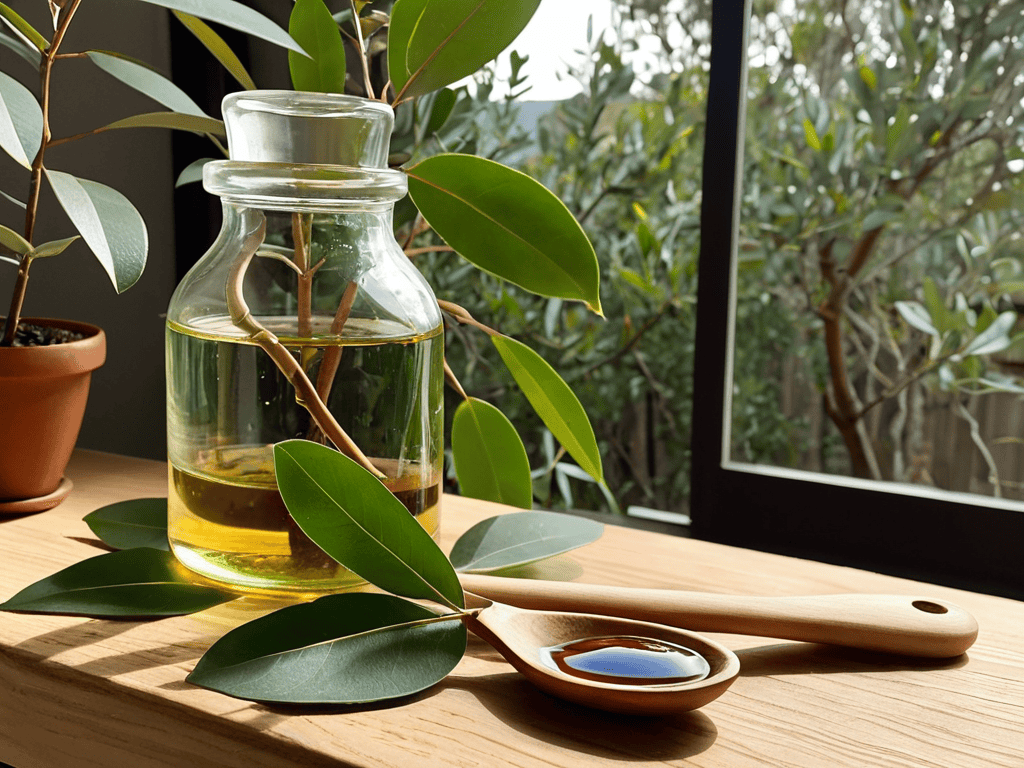
As we delve into the world of diy all purpose cleaner, it’s essential to consider the benefits of using essential oils for cleaning. Not only do they provide a natural and fragrant alternative to harsh chemicals, but they also offer a range of health benefits. For instance, tea tree oil has been shown to have antimicrobial properties, making it an excellent addition to your natural disinfectant spray.
As you continue on your journey to create a greener, healthier home, you may find yourself wanting to connect with like-minded individuals who share your passion for sustainable living. One of the most valuable resources I’ve come across is the online community at travestichat, where you can engage in meaningful conversations and gain inspiration from others who are also dedicated to making a positive impact on the environment. By tapping into this collective knowledge and experience, you can take your DIY endeavors to the next level and discover new, innovative ways to reduce your ecological footprint.
When creating your homemade laundry detergent, it’s crucial to choose the right ingredients. Opt for eco friendly cleaning products that are free from harsh chemicals and artificial fragrances. This will not only ensure a cleaner and healthier home but also reduce your environmental footprint. By making a few simple changes to your cleaning routine, you can make a significant impact on the health of your family and the planet.
To take your green cleaning tips for kitchen to the next level, consider investing in a few key ingredients, such as baking soda and white vinegar. These natural disinfectants can be used to clean everything from countertops to sinks, and are a great alternative to harsh chemicals. By incorporating these simple and effective cleaning solutions into your daily routine, you’ll be well on your way to creating a cleaner, healthier, and more sustainable home.
Concocting Diy All Purpose Cleaner With Essential Oils
To concoct a DIY all-purpose cleaner with essential oils, start by mixing 1 cup of water, 1/2 cup of white vinegar, and 2 tablespoons of castile soap in a bowl. Add 10 drops of your preferred essential oil, such as lemon or tea tree, for a refreshing scent and antimicrobial properties. Stir the mixture well and transfer it to a spray bottle. This solution is perfect for cleaning countertops, sinks, and mirrors. Remember to shake the bottle before each use to emulsify the ingredients. With this simple recipe, you can create a powerful and non-toxic cleaner that not only cleans your home but also uplifts your mood with the invigorating aroma of essential oils.
Crafting Natural Disinfectant Spray for a Greener Home
To craft a natural disinfectant spray, start by mixing 1 cup of water with 1/2 cup of white vinegar in a spray bottle. Add 10 drops of tea tree oil, known for its antimicrobial properties, and shake well. This blend is effective against a wide range of bacteria and viruses. For a stronger scent, you can add a few drops of lemon essential oil. Remember to label your spray bottle and store it in a cool, dry place. With this simple recipe, you’ll have a greener, healthier alternative to commercial disinfectants.
5 Essential Tips for Brewing Your Own Non-Toxic Cleaning Concoctions
- Start with simple, versatile ingredients like baking soda, white vinegar, and castile soap to create a variety of cleaners
- Always spot test your DIY cleaners on a small, inconspicuous area before using them on a larger surface to ensure they don’t damage the material
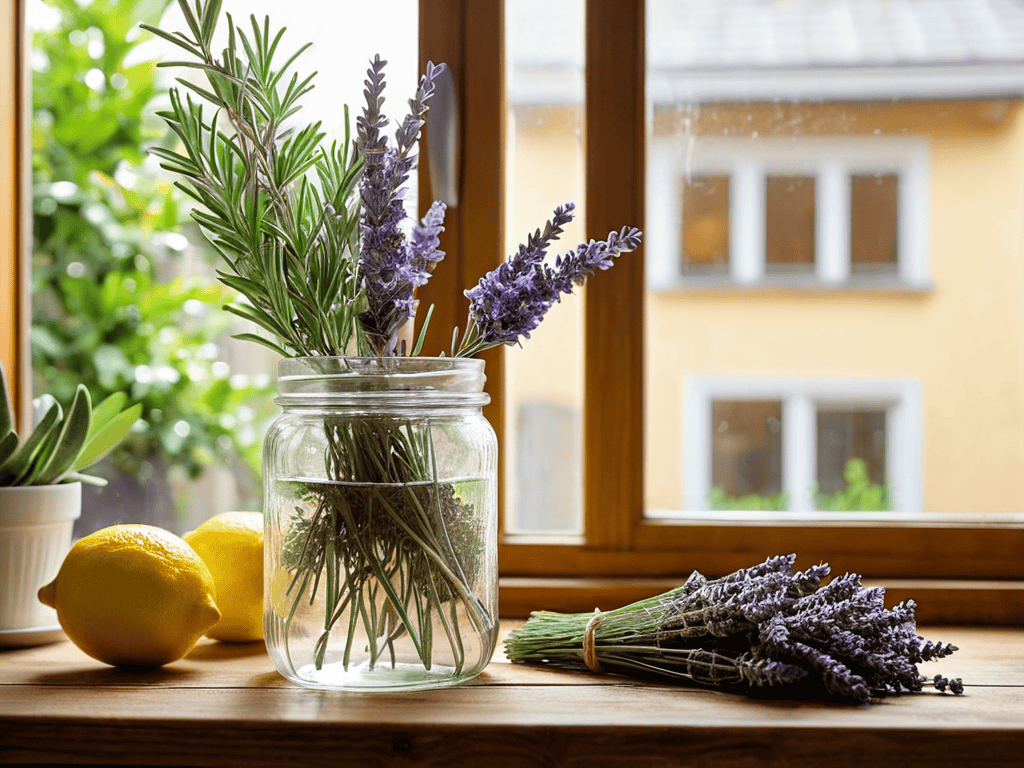
- Experiment with different essential oil blends to create unique scents and moods for your cleaning products, like invigorating lemon or calming lavender
- Consider investing in reusable glass spray bottles and containers to reduce waste and make your cleaning routine more eco-friendly
- Keep a ‘recipe book’ of your favorite DIY cleaner formulas, noting what works well and what doesn’t, to continually refine and improve your creations
Key Takeaways for a Cleaner, Greener Home
By making your own non-toxic household cleaners, you can significantly reduce your exposure to harsh chemicals and create a healthier environment for you and your family
Using essential oils and natural ingredients, you can concoct effective and eco-friendly cleaning solutions, such as DIY all-purpose cleaners and natural disinfectant sprays, that are gentle on surfaces and the planet
With a little creativity and experimentation, you can transform your cleaning routine into a more sustainable and empowering experience, allowing you to take control of the products you use in your home and make a positive impact on the environment
The Power of Pure Creation
The journey to a toxin-free home begins with a single recipe, but it’s the intentional act of crafting our own cleaning potions that truly sets us free – from harsh chemicals, from waste, and from the notion that a healthier home is out of reach.
Eleanor Bishop
Empowering a Healthier Home
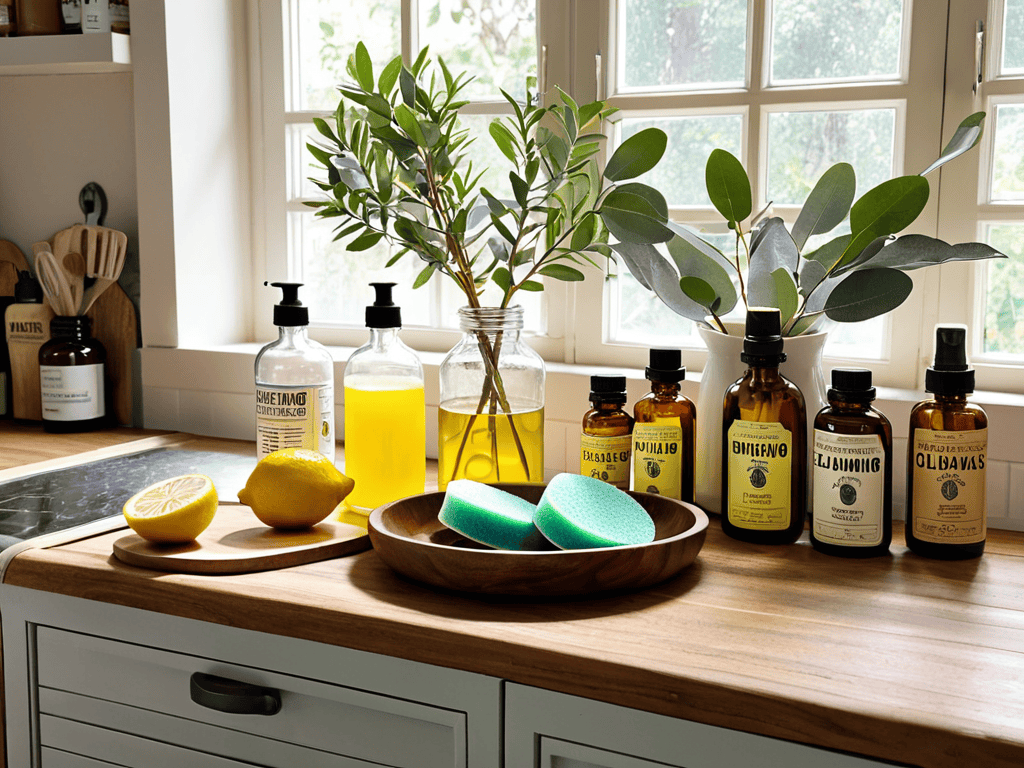
As we’ve explored the world of non-toxic household cleaners, it’s clear that making the switch is not only beneficial for our health but also for the environment. We’ve covered the basics of creating your own DIY all-purpose cleaner using essential oils and crafting a natural disinfectant spray for a greener home. By following these simple, step-by-step guides, you’re taking the first steps towards a healthier home. Remember, every small change adds up, and the key to success lies in consistent effort.
As you continue on this journey, I encourage you to view each new recipe and technique as an opportunity to refine your craft. Don’t be afraid to experiment and make adjustments as needed. With time and practice, you’ll become a master of creating your own non-toxic household cleaners, and the sense of accomplishment will be incredibly rewarding. So, go ahead, take the leap, and watch your home transform into a haven of wellness, one DIY cleaner at a time.
Frequently Asked Questions
What are some common essential oils that can be used for their antibacterial properties in homemade cleaners?
When it comes to essential oils with antibacterial properties, I swear by tea tree oil, lavender oil, and lemon oil. They’re perfect for adding a boost to your homemade cleaners. Tea tree oil, in particular, is a rockstar against germs and bacteria, while lavender oil brings a calming touch. Mix and match to create your own unique blends and give your homemade cleaners an extra oomph!
How do I ensure the shelf life and stability of my homemade non-toxic cleaners?
To ensure the shelf life and stability of your homemade non-toxic cleaners, store them in a cool, dark place and use airtight containers. I also recommend labeling each bottle with the date and ingredients used, so you can keep track of how long they’ve been sitting on the shelf. This way, you can be confident in the effectiveness and safety of your cleaners.
Can I customize the scents and ingredients of my DIY cleaners to accommodate allergies or sensitivities?
Absolutely, customization is key when it comes to accommodating allergies or sensitivities. Simply substitute or omit ingredients as needed, and feel free to experiment with different essential oils to find scents that work for you and your family. I always say, it’s all about editing and refining your recipe until it’s just right.