A Step-by-step Guide on How to Create a Short Film

I still remember the thrill of working on my first short film, pouring my heart and soul into every frame. But, I have to admit, I used to believe that creating a masterpiece was all about capturing the perfect shot, and that’s where most of us start when we think about how to create a short film. We get caught up in the excitement of production, thinking that the footage itself will somehow magically come together to tell a story. However, as I delved deeper into the world of filmmaking, I realized that the real magic happens in the editing room, where the raw material is transformed into a cohesive narrative.
As someone who’s passionate about demystifying the filmmaking process, I want to share with you the practical advice and techniques that I’ve learned along the way. In this article, I’ll guide you through the process of weaving your footage into a cinematic spell, from pre-production to post-production. You’ll learn how to shape your clips into a compelling story, and how to use color grading and sound design to elevate the emotional impact of your film. By the end of this journey, you’ll have a clear understanding of how to create a short film that truly resonates with your audience, and the skills to bring your vision to life.
Table of Contents
Guide Overview: What You'll Need

Total Time: several weeks to several months
Estimated Cost: $100 – $10,000
Difficulty Level: Hard
Tools Required
- Smartphone or camera with video capabilities
- Laptop or computer for editing
- Microphone for better audio quality
- Lighting Kit basic lighting for indoor and outdoor shoots
Supplies & Materials
- Script Paper for writing and revising your script
- Storyboards for planning and visualizing your film
- Actor Release Forms for casting and talent management
- Location Scouting Materials such as maps and photos
Step-by-Step Instructions
- 1. First, let’s start with the foundation of your short film: developing your concept. This is where you brainstorm and explore the idea that sparks your creativity. I like to think of it as uncovering the hidden narrative that drives your story forward. Take your time, and don’t be afraid to jot down every idea that comes to mind, no matter how crazy it may seem.
- 2. Next, it’s essential to create a treatment that outlines the overall structure and tone of your film. This document should be a concise, yet detailed, summary of your story, including character descriptions, plot points, and any key themes you want to explore. I find that writing a treatment helps me distill the essence of my story, making it easier to stay focused during the production process.
- 3. Now that you have a solid concept and treatment, it’s time to assemble your team. As a documentary filmmaker, I’ve learned that collaboration is key to bringing your vision to life. Look for individuals who share your passion and have the skills to help you achieve your goals. Whether it’s a cinematographer, sound designer, or editor, building a strong team is crucial to the success of your film.
- 4. With your team in place, you can start scouting locations and planning your shoot. This is where you get to bring your concept to life, finding the perfect settings and environments to tell your story. Be meticulous in your search, considering factors like lighting, sound, and accessibility. Remember, the right location can make or break the visual atmosphere of your film.
- 5. Once you’ve secured your locations, it’s time to plan your shoot. This involves creating a detailed schedule, complete with shot lists, camera angles, and any necessary equipment. I like to think of this stage as choreographing a dance, where every move is carefully considered to capture the essence of your story. Don’t be afraid to experiment and try new things – it’s all part of the creative process.
- 6. As you begin filming, remember that capturing high-quality sound is just as important as getting the perfect shot. Invest in good quality microphones, and take the time to record clean and crisp audio that will elevate your film to the next level. I always say that sound design is 50% of the film, so don’t skimp on this crucial aspect of your production.
- 7. After you’ve wrapped up filming, it’s time to dive into post-production. This is where the magic happens, and you get to shape your footage into a compelling narrative. Start by organizing your clips, creating a rough cut, and experimenting with different editing styles. Don’t be afraid to try new things and push the boundaries of your story – it’s all part of the editing process.
- 8. As you refine your edit, pay close attention to color grading and visual effects. These elements can greatly enhance the emotional impact of your film, drawing your audience into the world you’ve created. Take your time to get it just right, and don’t be afraid to seek feedback from others to ensure you’re on the right track.
- 9. Finally, add the finishing touches to your film by incorporating music, sound effects, and any final visual elements. This is where you get to tie everything together, creating a cohesive and engaging narrative that will leave your audience spellbound. Remember to take a step back, be patient, and trust your instincts – you’ve worked hard to bring your vision to life.
Crafting Cinematic Magic
As we dive deeper into the world of short film storytelling, it’s essential to consider the emotional impact of our visual narrative. Crafting a compelling story is not just about stringing together a series of events, but about creating a journey that resonates with our audience. I’ve found that using low budget film production tips, such as leveraging natural lighting and practical effects, can actually add to the authenticity of our story.
When it comes to independent film marketing strategies, it’s crucial to think outside the box. Guerrilla filmmaking methods can be a great way to generate buzz around your project, even with limited resources. By embracing a DIY ethos and being creative with our marketing efforts, we can reach a wider audience and build a loyal following.
As a filmmaker, I’m always on the lookout for new tools and techniques to enhance my craft. Short film script writing software can be a valuable asset in streamlining our writing process, allowing us to focus on the creative aspects of our project. By combining these tools with a deep understanding of film editing for beginners, we can bring our vision to life and create a truly unforgettable cinematic experience.
Guerrilla Filmmaking on a Low Budget
As a documentary filmmaker, I’ve learned to thrive in low-budget environments. Guerrilla filmmaking is all about being resourceful and flexible. I recall shooting a short film on a shoestring budget, using natural light and practical locations to create a cinematic atmosphere. By embracing the constraints, we can often stumble upon innovative solutions that elevate our storytelling. For instance, using a vintage cinema lens I collected can add a unique texture to the footage, while clever sound design can transport the audience to a different world.
By leveraging these techniques, we can create a rich, immersive experience that belies our limited budget. It’s a testament to the power of creative problem-solving in filmmaking, and I’m excited to share more of these strategies with you.
Short Film Storytelling Techniques Unveiled
As we dive deeper into crafting cinematic magic, let’s explore the art of storytelling techniques that will elevate your short film. I’m obsessed with the way a well-crafted narrative can transport your audience to new worlds and evoke powerful emotions. By mastering the balance of dialogue, pacing, and visual elements, you’ll be able to weave a spell that captivates and resonates with your viewers. Think of films like “The Shawshank Redemption” or “The Pianist” – their stories are timeless, and it’s all due to the careful consideration of every element, from script to screen.
By applying these techniques, you’ll be able to create a short film that not only tells a compelling story but also leaves a lasting impression on your audience. Remember, the goal is to create an emotional connection with your viewers, and with the right storytelling techniques, you can achieve just that.
Weaving Cinematic Gold: 5 Essential Tips for Short Filmmakers
- Develop a story that resonates: Your short film’s core is its narrative, so invest time in crafting a compelling story with well-developed characters and a clear arc
- Scout locations like a pro: The right setting can elevate your film, so don’t be afraid to think outside the box and find unique, captivating locations that serve your story
- Master the art of lighting: Lighting is a powerful tool for setting mood and tone, so experiment with different techniques to find what works best for your film’s atmosphere
- Experiment with sound design: Sound is half of the cinematic experience, so don’t overlook the importance of a well-crafted soundtrack and clever use of Foley effects
- Edit with intention: The edit room is where your film truly comes together, so take your time, be meticulous, and ensure every cut serves a purpose in advancing your story
Key Takeaways to Unlock Your Cinematic Vision
Embracing the art of editing as the backbone of storytelling, where the true narrative is born and shaped in the editing room
Mastering the balance between technical proficiency and creative vision to craft a compelling short film that resonates with audiences on an emotional level
Understanding the interplay of sound design, color grading, and meticulous attention to detail as essential elements in elevating your short film from a collection of clips to a cohesive, impactful cinematic experience
Weaving Cinematic Spells
The true essence of a short film lies not in the individual shots, but in the emotional resonance that emerges when they’re woven together with intention, passion, and a deep understanding of the story’s heartbeat.
Maya Jenson
Bringing Your Vision to Life
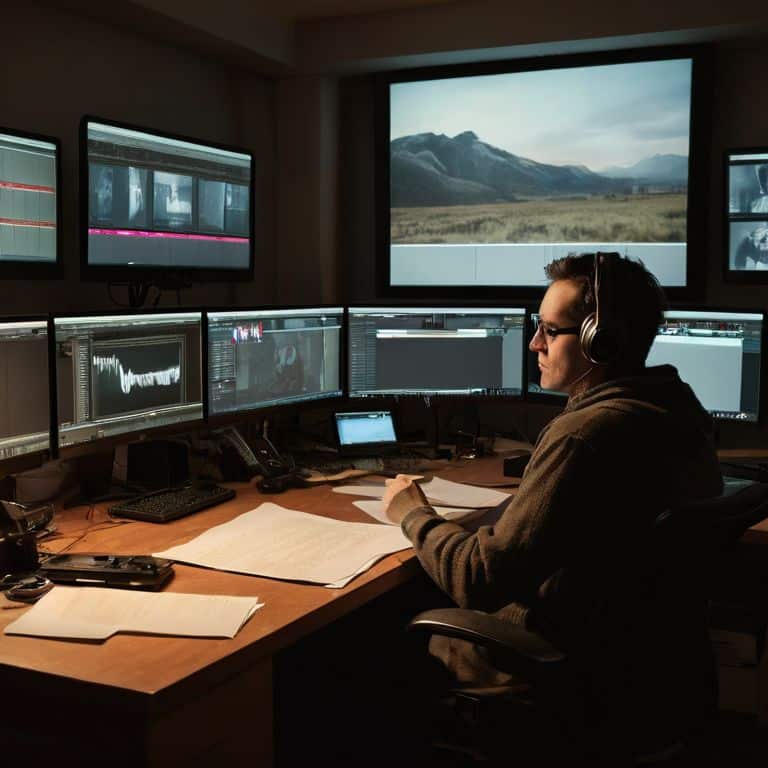
As we’ve explored the world of short filmmaking, we’ve touched on the importance of crafting a compelling narrative, guerrilla filmmaking techniques, and the art of editing. From pre-production to post-production, each step plays a crucial role in shaping your final product. By embracing these principles, you’ll be well on your way to creating a short film that truly resonates with your audience. Remember, the key to a great film lies in its ability to evoke emotion and spark conversation.
So, as you embark on your own filmmaking journey, I encourage you to think outside the box, experiment with new techniques, and always keep your story at the forefront. Don’t be afraid to take risks and try new things – it’s often the unconventional approach that leads to the most magical moments on screen. With dedication, passion, and a willingness to learn, you’ll be creating cinematic masterpieces that leave a lasting impact on all who watch them.
Frequently Asked Questions
What are the essential elements of a short film script that will keep my audience engaged?
To craft a captivating short film script, focus on a strong narrative arc, well-developed characters, and concise dialogue. Ensure a clear three-act structure, with a hook that grabs attention, a build that escalates tension, and a resolution that resonates emotionally. Keep it lean, mean, and visually driven – remember, the camera is a character too!
How can I effectively use lighting and camera angles to create a specific mood or atmosphere in my short film?
To craft a distinct mood, I experiment with high-contrast lighting and intentional camera angles. For a moody atmosphere, I might use low-key lighting with deep shadows, paired with Dutch angles to create unease. Conversely, warm, soft lighting and eye-level shots can evoke a sense of comfort and intimacy. It’s all about manipulating light and perspective to guide the viewer’s emotional response.
What are some common pitfalls to avoid during the editing process to ensure my short film has a cohesive narrative and emotional impact?
As I’ve learned from my own editing experiences, it’s crucial to avoid over-editing and losing the emotional essence of your story. Don’t get too caught up in perfection – sometimes, a slight imperfection can add character to your film. Also, beware of inconsistent pacing and neglecting sound design, as these can disrupt the narrative flow and emotional impact of your short film.