An Explainer: What Is a Neutral Density (nd) Filter for Video?
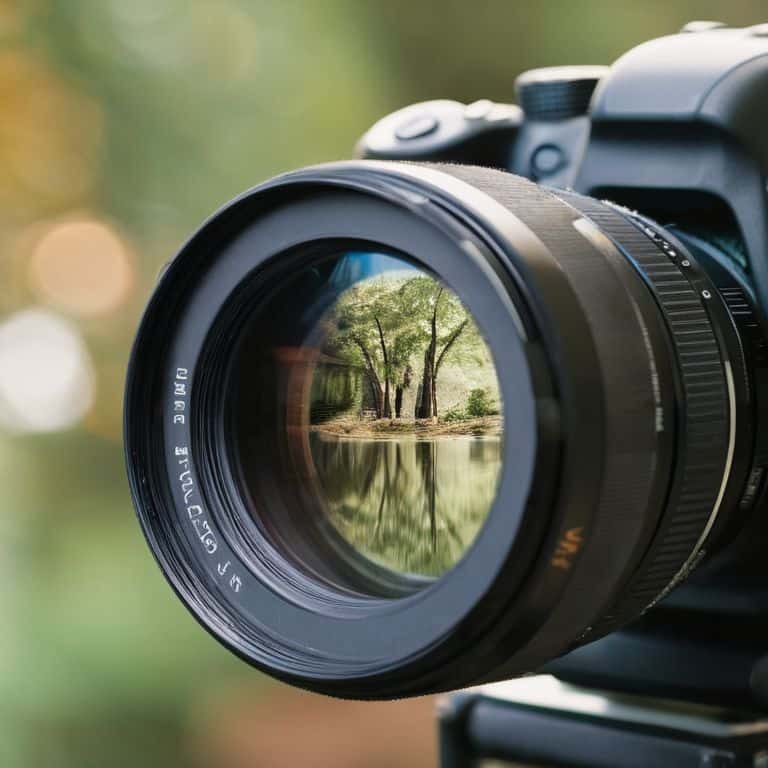
I still remember the first time I struggled with overexposed footage on a documentary shoot. I was trying to capture a serene landscape, but the bright sunlight kept washing out the details. That’s when I discovered the power of neutral density (ND) filters. When I asked other filmmakers about their approach to handling harsh light, they’d often spout off about the latest gadgets or complicated workarounds. But I knew there had to be a simpler solution. That’s why I want to cut through the noise and give you the lowdown on what is a neutral density (ND) filter for video.
As a documentary filmmaker, I’ve learned that it’s all about capturing the right mood and atmosphere. A good ND filter can be the difference between a flat, uninteresting scene and a cinematic masterpiece. In this article, I’ll share my hands-on experience with ND filters, from the basics of what is a neutral density (ND) filter for video to tips and tricks for getting the most out of them. I’ll give you the honest, no-nonsense advice you need to start shooting like a pro, without breaking the bank or getting lost in technical jargon. My goal is to empower you to tell your story with confidence and creativity, using ND filters to enhance your visual narrative.
Table of Contents
Unveiling Neutral Density
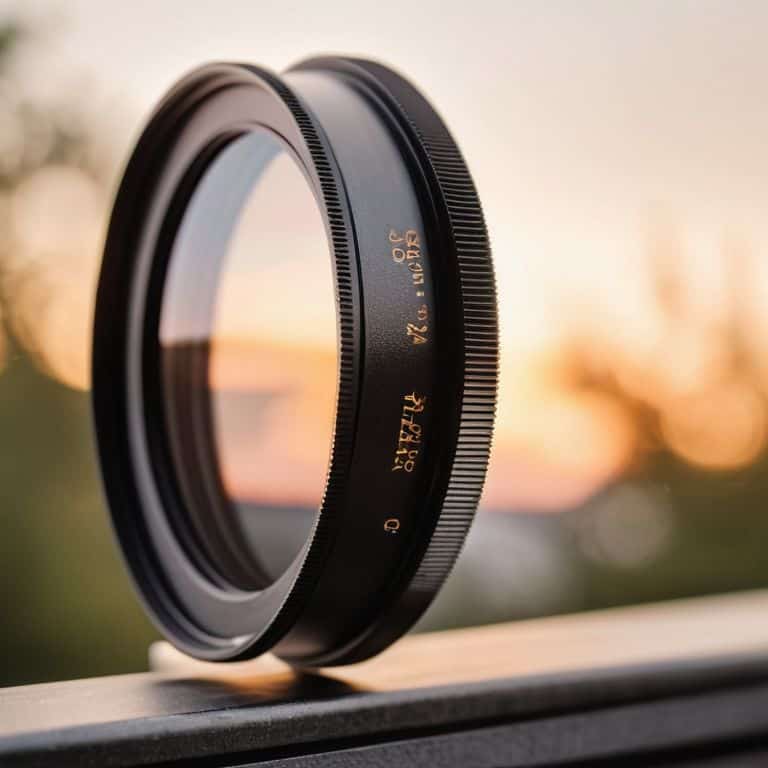
As I delve into the world of neutral density filters, I’m reminded of the countless times I’ve struggled to capture smooth motion in bright light. It’s a challenge many filmmakers face, and one that can be easily overcome with the right tools. For instance, a variable nd filter for cinematography can be a game-changer, allowing you to dial in the perfect exposure and create a cinematic look that draws your viewer in.
When it comes to choosing the best nd filter for your needs, it’s essential to consider the type of camera you’re using. For example, the best nd filter for dslr video may not be the same as one for a drone or mirrorless camera. Understanding the differences between an nd filter vs polarizer is also crucial, as each serves a unique purpose in controlling light and reducing glare.
By using nd filters for smooth motion, you can create a more immersive viewing experience for your audience. This is especially important when capturing neutral density filter for drone footage, where the goal is often to create a sense of fluid movement and dynamic energy. By reducing shutter speed and using nd filters, you can achieve a more cinematic look and feel, drawing your viewer into the world of your film.
Unlocking Variable Nd Filter for Cinematography
When it comes to cinematography, having the right tools can make all the difference. A variable neutral density filter is one such tool that allows you to adjust the density to suit your needs, giving you more control over your footage. This flexibility is especially useful when shooting in changing light conditions.
By using a variable ND filter, you can achieve a smooth transition between different lighting setups, creating a more cohesive look for your film. This is particularly important in documentary filmmaking, where you often have to adapt to unexpected lighting changes.
What Is a Neutral Density Filter for Video
When it comes to capturing stunning footage, a neutral density (ND) filter is a game-changer. It’s a crucial tool for achieving perfect exposure in bright lighting conditions. By reducing the amount of light that enters the lens, an ND filter allows you to shoot with wider apertures and slower shutter speeds, resulting in a more cinematic look.
In essence, a neutral density filter regulates light to prevent overexposure, allowing you to maintain creative control over your footage. This is especially important in video production, where the goal is often to create a specific mood or atmosphere. By controlling the light, you can draw the viewer’s attention to specific elements within the frame and create a more immersive experience.
Mastering Nd Filters
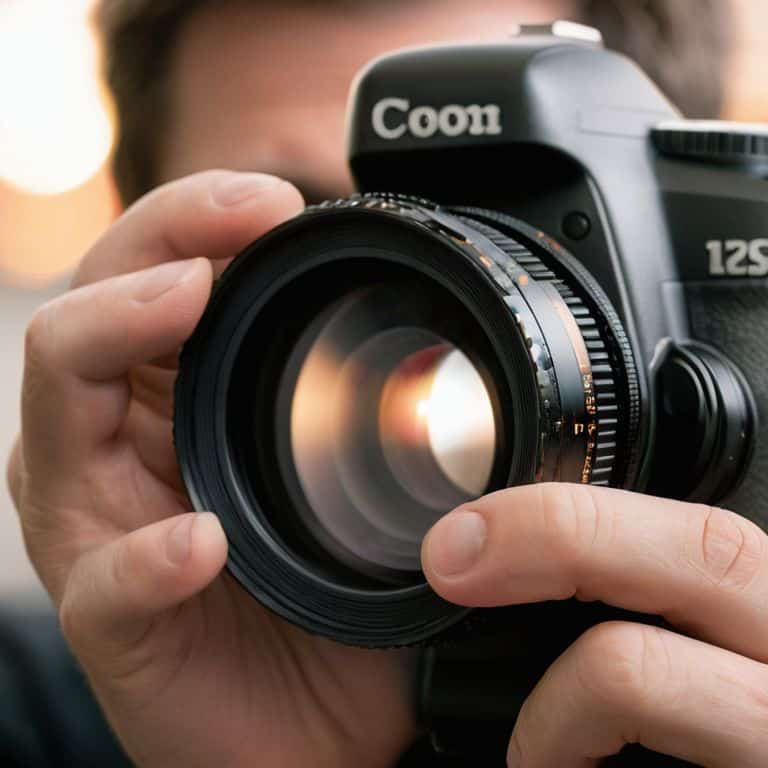
As I delve into the world of variable nd filter for cinematography, I’m reminded of the importance of precision and control. When it comes to capturing smooth motion, using nd filters for smooth motion is a game-changer. By reducing the amount of light that enters the lens, I can achieve a shallower depth of field and a more cinematic look.
One of the most common debates among filmmakers is nd filter vs polarizer. While both have their uses, I find that neutral density filters offer more versatility and creative control. For instance, when shooting neutral density filter for drone footage, I can adjust the filter to compensate for the changing light conditions, resulting in a more consistent and polished look.
To take my filmmaking to the next level, I’ve been experimenting with the best nd filter for dslr video. By investing in a high-quality filter, I can ensure that my footage is sharp, vibrant, and full of life. Whether I’m shooting a documentary or a commercial, reducing shutter speed with an nd filter allows me to create a more immersive and engaging visual experience.
Nd Filter vs Polarizer Choosing the Best
When it comes to controlling light in your footage, two popular options come to mind: ND filters and polarizers. While both can be useful, they serve different purposes. An ND filter is primarily used to reduce the amount of light entering the lens, allowing for smoother footage in bright conditions. On the other hand, a polarizer is used to reduce glare and enhance colors.
In deciding between the two, consider the visual mood you want to achieve. If you’re looking to capture a serene landscape on a sunny day, a polarizer might be the better choice to reduce reflections and enhance the sky’s colors. However, if you’re aiming for a cinematic look with a wide aperture, an ND filter is likely your best bet.
Smoother Motion With Neutral Density Filters
To achieve that cinematic feel, I always look for ways to create smoother motion in my footage. Neutral density filters are a game-changer for this, allowing me to use larger apertures and slower shutter speeds, even in bright conditions. This results in a more fluid, dreamy quality that draws the viewer in.
By using a neutral density filter, I can maintain a shallow depth of field while still capturing smooth, blurred motion. This is especially important in documentary filmmaking, where I often need to follow my subjects in unpredictable environments. With an ND filter, I can ensure that my footage remains visually stunning, even in the most challenging lighting conditions.
Bringing Your Vision to Life: 5 Essential Tips for Working with Neutral Density Filters
- Start by understanding the relationship between your ND filter and aperture – a smaller aperture can lead to a deeper depth of field, but may require a darker ND filter to achieve the right exposure
- Experiment with different ND filter strengths to find the perfect balance for your scene – a 3-stop filter might be ideal for a bright outdoor scene, while a 6-stop filter could be better suited for a fast-paced, low-light environment
- Don’t forget to consider the color grading implications of your ND filter choice – some filters can introduce a blue or green tint, which may affect the overall mood and aesthetic of your film
- When shooting with a variable ND filter, be mindful of the potential for uneven light transmission – this can result in unwanted vignettes or hotspots, so it’s essential to test your filter thoroughly before shooting
- Remember that an ND filter is not just a problem-solving tool, but a creative one – use it to enhance the mood, add depth, or create a sense of movement in your scene, and don’t be afraid to push the boundaries of what’s possible with this powerful filmmaking technique
Key Takeaways for Mastering Neutral Density Filters
Neutral density filters are a powerful tool for achieving desired exposure levels and creating a cinematic look in your footage, allowing for smoother motion and more control over your image
Understanding the difference between ND filters and polarizers is crucial for choosing the right tool for your shoot, and variable ND filters offer a flexible solution for changing lighting conditions
By incorporating neutral density filters into your cinematography workflow, you can unlock new creative possibilities and take your visual storytelling to the next level, with more precise control over light and motion
The Heart of Cinematic Storytelling
A neutral density filter is not just a tool, it’s a gateway to the soul of your story – it’s what transforms harsh light into a warm caress, and turns the ordinary into the extraordinary.
Maya Jenson
Bringing Your Vision to Life with ND Filters
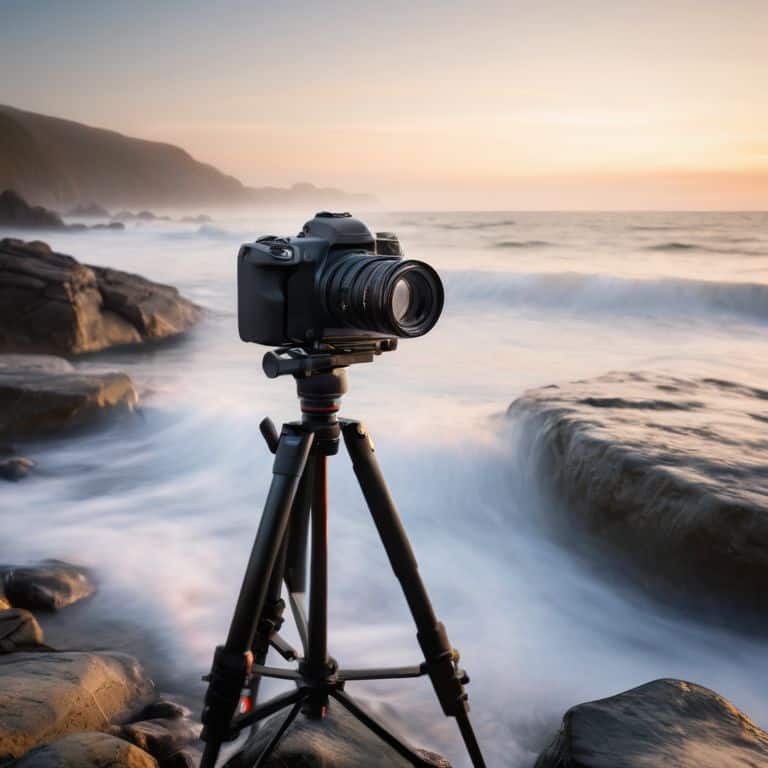
As we’ve explored the world of neutral density filters, you’ve learned how to unveil the secret sauce of cinematic footage. From understanding what a neutral density filter is, to mastering the art of variable ND filters, and choosing between ND filters and polarizers, you now have the tools to take your filmmaking to the next level. Remember, smoother motion and perfect exposure are just the beginning – it’s all about creating a visual language that speaks to your audience.
So, the next time you’re on set, don’t just think about the footage you’re capturing – think about the emotional impact you want to create. With neutral density filters, you have the power to craft a narrative that draws your viewer in and refuses to let go. As a filmmaker, that’s the ultimate goal – to tell a story that resonates, inspires, and leaves a lasting impression. Now, go out there and start shooting – the world is waiting for your cinematic vision to come to life.
Frequently Asked Questions
How do I choose the right neutral density filter for my specific video project?
Choosing the right ND filter is all about understanding your scene’s lighting conditions and desired mood. Consider the amount of light you’re working with and the effect you want to achieve – do you need a subtle 3-stop or a dramatic 10-stop? Experiment with different strengths to find the perfect balance for your story.
Can I use a neutral density filter with other camera filters, such as polarizers or color gradients?
Absolutely, you can stack a neutral density filter with other filters, like polarizers or color gradients. Just remember, the order matters – typically, you’ll want to put the ND filter first, followed by the polarizer or color gradient. This way, you can control light and add creative effects without compromising image quality.
What are some common mistakes to avoid when using neutral density filters in video production?
When working with ND filters, I see many creators forget to adjust their shutter speed, resulting in unnatural motion. Others neglect to white balance, leading to an unwanted color cast. And some even stack multiple filters, introducing unwanted reflections and flare. Avoid these rookie mistakes to ensure your footage stays cinematic and polished.