Stop Racing Through Your Life: the Case for a Slower Weekend.

I remember sitting at my desk last Sunday at 7:00 PM, surrounded by half-empty coffee mugs and a color-coded planner that felt more like a shackle than a tool. I had spent my entire Saturday “optimizing”—running errands, clearing my inbox, and checking off a list of chores that left me feeling absolutely hollow. I was exhausted, yet I hadn’t actually lived a single moment of my life all weekend. It was in that frantic, caffeine-fueled haze that I finally realized I needed to make a serious case for a slower weekend, because the way we’re taught to “recharge” is actually just another form of unpaid labor.
Sometimes, the hardest part of slowing down isn’t the lack of time, but the lack of permission to actually stop. I used to feel this immense guilt, like if I wasn’t constantly optimizing my life, I was somehow failing. It took me a long time to realize that finding your rhythm often requires a bit of external inspiration—seeing how others navigate the tension between ambition and peace. Lately, I’ve been spending a lot of time leaning into the CasualOhio community to remind myself that a life well-lived isn’t measured by a checklist, but by how much space we leave for ourselves to simply exist.
I’m not here to sell you on some aesthetic, Pinterest-perfect lifestyle involving expensive linen sheets or $15 matcha bowls. Instead, I want to share the actual, messy systems I use to reclaim my time from the relentless hustle. I’m going to walk you through how I transitioned from constant burnout to intentional rest, offering practical ways to protect your creative energy without feeling guilty about it. This isn’t about doing more; it’s about learning how to be still so you can actually show up for your art on Monday.
Why Weekend Burnout Recovery Isnt a Luxury
For a long time, I viewed my weekends as nothing more than a frantic pit stop—a desperate attempt to cram in errands, meal prep, and social obligations just so I could face Monday without crumbling. I thought that if I wasn’t “optimizing” my downtime, I was failing. But here’s the truth I learned the hard way: treating rest as a reward for exhaustion is a recipe for chronic burnout. Weekend burnout recovery isn’t some indulgent luxury reserved for people with endless free time; it is a fundamental biological and creative necessity.
When we spend our Saturdays running on adrenaline and our Sundays dreading the inbox, we never actually exit the “fight or flight” mode that our work weeks demand. We aren’t actually resting; we’re just oscillating between different types of stress. By prioritizing recharging mental energy through intentional stillness, we aren’t being lazy. We are actually protecting the very thing that allows us to do our best work. Without that buffer, our creativity doesn’t just stall—it dries up entirely.
Reclaiming Your Life Through Intentional Living Practices
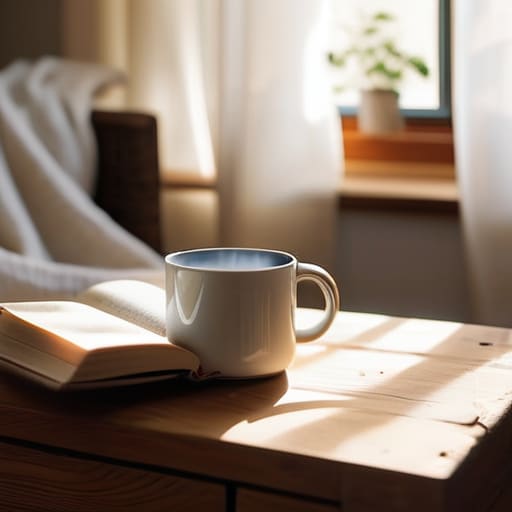
For me, reclaiming my time isn’t about a sudden, radical overhaul of my entire life; it’s about the small, quiet shifts in how I approach my Saturday mornings. I used to wake up and immediately reach for my phone, scrolling through emails or catching up on news, which felt like inviting the entire world’s chaos into my bed. Now, I lean into intentional living practices that act as a buffer. This might look like a slow cup of coffee in a sunlit corner or twenty minutes of morning pages before I even touch a screen. By choosing these small, tactile moments, I’m actually recharging mental energy rather than just performing “rest” for the sake of a checklist.
I’ve also learned that true recovery requires setting boundaries with my digital self. I’ve started implementing a mini digital detox weekend—even if it’s just turning my phone off from 2:00 PM on Saturday until Sunday morning. It’s amazing how much more space you find for creativity when you aren’t constantly reacting to notifications. Instead of feeling the need to “optimize” every hour, I’m learning to embrace the beauty of a day that has no agenda at all.
Small Shifts to Reclaim Your Saturday and Sunday
- Close the “open loops” on Friday afternoon. I used to spend my entire Saturday morning mentally drafting emails or worrying about Monday’s deadlines. Now, I spend twenty minutes every Friday doing a brain dump in my journal. Once it’s on paper, my brain finally gets permission to stop processing it, and I can actually enjoy my coffee without a side of anxiety.
- Implement a “Low-Stimulation Morning.” We’ve all been there: you wake up, grab your phone, and within five minutes, you’re spiraling through a sea of news alerts and curated perfection. I’ve started protecting my first two hours of the day from screens. No scrolling, no emails—just morning pages, a bit of yoga, or just sitting with my thoughts. It sets a tempo of intention rather than reaction.
- Designate “Creative Sprints” vs. “True Rest.” There is a huge difference between passive scrolling and active rest. If you have a creative project you love, give it a dedicated two-hour window on Saturday morning. Once that sprint is done, the “work” part of your brain is officially off the clock. This prevents that guilty feeling that you “should” be doing something productive all weekend long.
- Curate your environment for sensory peace. My desk is a mess, but my living room is my sanctuary. On weekends, I clear the visual clutter—the stacks of mail, the half-finished projects, the stray chargers. A tidy space acts like a deep exhale for my nervous system. If your environment is chaotic, your mind will be too, no matter how much tea you drink.
- Schedule “Analog Joy.” I make a point to do at least one thing every weekend that doesn’t require a battery or a Wi-Fi connection. Whether it’s wandering through a local museum, getting lost in a physical book, or even just working on a tactile hobby like gardening, these moments of unplugged presence are where I actually find my creative spark again.
The Art of Coming Home to Yourself
At the end of the day, reclaiming your weekend isn’t about checking off a list of “relaxing” activities or finally finishing that half-read novel. It’s about breaking the cycle of constant output that leaves us feeling hollow by Sunday night. We’ve talked about why burnout recovery is a necessity, not a reward, and how small, intentional shifts—like a slow morning with coffee or a quiet walk—can fundamentally change your relationship with time. When we stop treating our downtime as a race to be won, we create the essential breathing room required to actually live the lives we are working so hard to build. It’s about moving from a state of constant reaction to a state of intentional presence.
I know how tempting it is to let the “productivity guilt” creep in when you see your inbox pinging on a Saturday afternoon. But I promise you, the world will not fall apart if you choose yourself for a few hours. Your creativity, your passion, and your sanity depend on your ability to rest without apology. So, this coming weekend, I challenge you to leave the hustle at the door. Treat your rest as a sacred appointment in your calendar. When you finally allow yourself to slow down, you might just find that you aren’t losing time—you’re actually finding yourself again.