A Guide to Intentional Living for a More Creative Life

As I sat at my desk, surrounded by color-coded notes and empty coffee cups, I realized that the idea of a guide to intentional living had become a sort of mythical creature – often spoken of, but rarely seen in practice. We’re told that living intentionally means having it all together, that it’s about achieving some sort of enlightenment through meticulous planning and strict discipline. But I’ve found that this couldn’t be further from the truth. For me, intentional living is about embracing the messy, beautiful journey of being human, and finding ways to make sense of the chaos.
In this article, I’ll share my personal story of how I’ve learned to prioritize intentional rest and creative sprints, and how these practices have helped me build a life that supports my art, rather than draining it. I’ll provide you with practical advice on how to create a schedule that works for you, not against you, and how to cultivate a mindset that is open to possibility and grounded in reality. My goal is to offer you a no-nonsense, honest look at what it means to live intentionally, and to provide you with the tools you need to start making meaningful changes in your own life.
Table of Contents
Guide Overview: What You'll Need

Total Time: several weeks to several months
Estimated Cost: $0 – $100
Difficulty Level: Intermediate
Tools Required
- Journal for reflection and planning
- Calendar for scheduling and organization
- Pencil for writing and brainstorming
Supplies & Materials
- Paper for writing down goals and intentions
- Folder for organizing notes and plans
- Whiteboard for visualizing priorities and tasks
Step-by-Step Instructions
- 1. First, let’s start by setting intentions for what we want to achieve through intentional living. This means taking some time to reflect on our values, goals, and priorities. I like to do this by journaling, using prompts like “What brings me joy?” or “What are my non-negotiables?” to get started. By clarifying our intentions, we can begin to create a sense of direction and purpose in our lives.
- 2. Next, it’s essential to assess our current habits and identify areas where we can make adjustments to support our intentions. This might involve tracking our time, energy, and resources to see where they’re being spent. I use a bullet journal to log my daily activities, which helps me visualize patterns and areas for improvement. By understanding our existing habits, we can start to make conscious choices about how to allocate our time and energy.
- 3. Now, let’s talk about creating a schedule that aligns with our intentions. This doesn’t mean overscheduling every minute of our day, but rather, it’s about making space for the things that matter most to us. I like to use a technique called “time blocking,” where I dedicate large chunks of time to focused work, self-care, or relaxation. By prioritizing our schedule, we can ensure that we’re making time for the activities that bring us joy and fulfillment.
- 4. Another crucial step is to establish boundaries with others to protect our time and energy. This can be challenging, especially for people-pleasers, but it’s essential for maintaining our physical and emotional well-being. I’ve learned to say “no” to commitments that don’t align with my values or intentions, and to communicate my needs clearly with loved ones. By setting healthy boundaries, we can preserve our energy and focus on what truly matters.
- 5. To take our intentional living to the next level, let’s cultivate mindfulness in our daily activities. This can be as simple as paying attention to our breath, noticing the sensations in our body, or savoring the flavors of our food. I practice yoga and meditation to help me stay present and centered, even in chaotic moments. By being more mindful, we can appreciate the beauty in everyday moments and make more intentional choices.
- 6. As we journey through intentional living, it’s essential to practice self-compassion and acknowledge that we’re not perfect. We’ll make mistakes, and that’s okay. The key is to learn from our errors and use them as opportunities for growth. I remind myself that intentional living is a journey, not a destination, and that it’s okay to take things one step at a time. By treating ourselves with kindness and understanding, we can maintain a positive and supportive relationship with ourselves.
- 7. Finally, let’s review and adjust our progress regularly to ensure we’re staying on track with our intentions. This might involve scheduling regular check-ins with ourselves, seeking feedback from trusted friends or mentors, or reflecting on our journal entries. I like to do a weekly review, where I assess what’s working and what areas need improvement. By regularly evaluating our progress, we can make intentional adjustments and continue to grow and evolve as individuals.
A Guide to Intentional Living
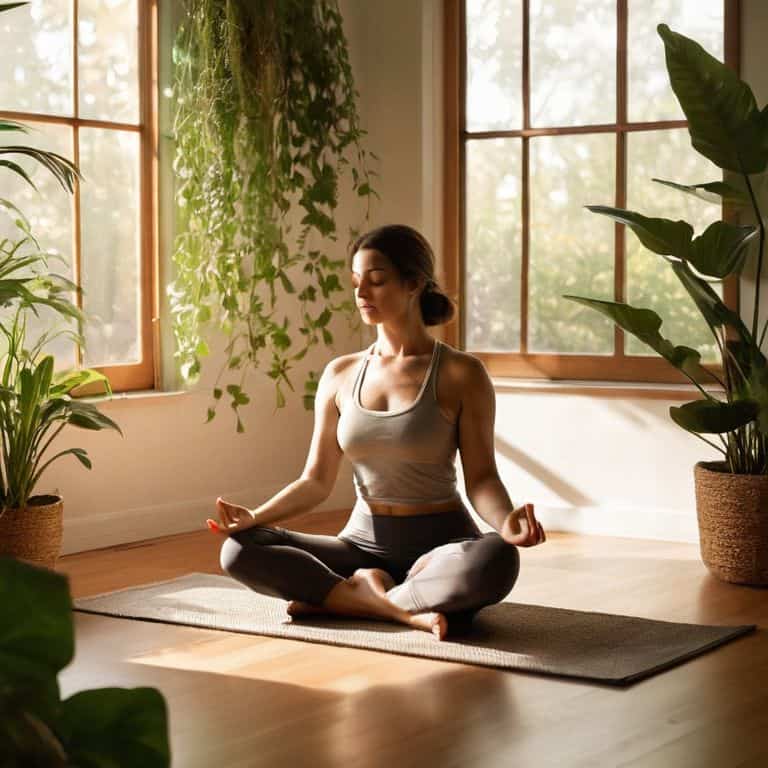
As I reflect on my own journey to simple living for beginners, I realize that it’s the small, consistent changes that add up to make a big impact. For me, it started with implementing mindful morning routines, such as journaling and yoga, to set a positive tone for the day. By doing so, I was able to clarify my priorities and focus on what truly matters.
Embracing essentialism and minimalism has also been a game-changer for me. By letting go of non-essential commitments and possessions, I’ve been able to create space for the things that bring me joy and fulfillment. This, in turn, has allowed me to set intentional goals that align with my values and passions. As a creative, I’ve found that this approach has helped me stay focused and motivated, even on the most challenging days.
By incorporating these principles into my daily life, I’ve been able to cultivate a sense of self care for creatives that goes beyond just productivity hacks. It’s about embracing slow living and savoring the moments that make life worth living. Whether it’s taking a walk in nature or enjoying a quiet cup of coffee, I’ve learned to appreciate the beauty in the everyday moments and make time for them in my busy schedule.
Mindful Mornings Essentialism for Creatives
As a creative, I’ve found that mindful mornings are essential to setting a positive tone for the day. My morning routine begins with a 10-minute meditation session, followed by journaling in my bullet journal. This quiet time allows me to clarify my thoughts, prioritize tasks, and focus on what’s truly important. By embracing essentialism, I’m able to eliminate non-essential activities and make space for meaningful work.
I also practice morning pages, a technique that involves writing down my thoughts and feelings without editing or censoring myself. This helps me process my emotions, gain clarity, and tap into my creative potential. By starting my day with intention and mindfulness, I’m able to stay focused, motivated, and inspired to tackle my creative projects with purpose and passion.
Simple Living for Beginners Cutting Noise
As I reflect on my own journey to intentional living, I realize that simplicity was the catalyst for change. For me, it started with small steps – decluttering my physical space, unsubscribing from newsletters that no longer served me, and silencing notifications on my phone. By cutting out the noise, I was able to tune into my own desires and priorities. I began to see that simplicity wasn’t about deprivation, but about creating room for what truly mattered.
Through this process, I discovered the beauty of a more streamlined life. My mornings became more peaceful, my focus sharper, and my creativity more vibrant. By embracing simplicity, I was able to break free from the constant distractions and cultivate a sense of clarity and purpose.
Embracing the Journey: 5 Essential Tips for Intentional Living
- Cultivate a Morning Routine That Nourishes Your Soul: Start with small, achievable habits like journaling, meditation, or simply sipping coffee in silence to set a positive tone for the day
- Prioritize Quality Over Quantity in Your Relationships: Surround yourself with people who uplift and support you, and don’t be afraid to set boundaries with those who drain your energy
- Schedule Intentional Rest and Play: Make time for activities that bring you joy and help you recharge, whether that’s reading, taking a walk, or practicing yoga
- Practice Mindful Consumption and Let Go of Clutter: Be more intentional about what you bring into your life, whether that’s physical possessions, digital subscriptions, or commitments – remember, a cluttered space can equal a cluttered mind
- Review and Reflect Regularly to Stay on Track: Set aside time each week or month to reflect on your goals, values, and progress, and make adjustments as needed to ensure you’re living a life that truly aligns with your vision and values
Key Takeaways for a More Intentional Life
Embracing intentional living is a journey, not a destination – it’s about creating space for what truly matters and letting go of the noise that distracts us from our passions and values
By incorporating mindful practices like journaling, meditation, and intentional rest into our daily routines, we can cultivate a sense of clarity and purpose that helps us navigate life’s challenges with creativity and resilience
Living intentionally is not about achieving some sort of perfection; it’s about showing up authentically, being kind to ourselves as we grow, and using our unique talents and perspectives to make a meaningful impact in the world around us
Embracing the Journey
Intentional living is not a destination, but a gentle unfolding of moments where we choose to listen to our hearts, embrace the unknown, and weave our passions into the fabric of everyday life.
Audrey Bell
Embracing the Journey to Intentional Living

As we conclude this guide to intentional living, let’s take a moment to reflect on the key points we’ve covered. From simple living and cutting noise, to embracing mindful mornings and essentialism for creatives, we’ve explored the foundation of living a more intentional life. It’s about creating space for what truly matters, and letting go of the distractions that weigh us down. By incorporating these practices into our daily lives, we can begin to experience a sense of clarity and purpose that was previously lacking.
As you embark on your own journey to intentional living, remember that it’s a beautifully imperfect process. Don’t be too hard on yourself when you stumble – instead, focus on progress, not perfection. With time and patience, you’ll find that the chaos begins to fade, and a sense of calm, creative freedom takes its place. So, take a deep breath, and let the journey begin – your most intentional, authentic self is waiting to be uncovered.
Frequently Asked Questions
How do I prioritize tasks and set realistic goals in my daily life to align with intentional living?
To prioritize tasks, I use a color-coded system in my bullet journal, categorizing tasks into ‘must-do,’ ‘should-do,’ and ‘nice-to-do.’ I set realistic goals by dedicating specific days to ‘creative sprints’ and others to ‘intentional rest,’ ensuring balance and focus in my daily life.
What role does self-care play in maintaining a consistent intentional living practice, especially during periods of high stress or creativity blocks?
For me, self-care is the backbone of intentional living. When I’m facing a creative block or high stress, I prioritize activities like yoga, journaling, or a quiet walk. These practices help calm my mind, allowing me to refocus on what’s truly important. By making self-care non-negotiable, I’m able to maintain my creative flow and stay grounded, even in chaotic times.
Can you provide examples of how to apply intentional living principles to specific areas of life, such as relationships, work, or personal hobbies?
Let’s break it down – intentional living seeps into every aspect of my life, from nurturing meaningful relationships through regular check-ins, to prioritizing projects at work that align with my values, to scheduling ‘creative sprints’ for my writing and journaling hobbies.