A Guide to Finding Your Creative Voice and Style
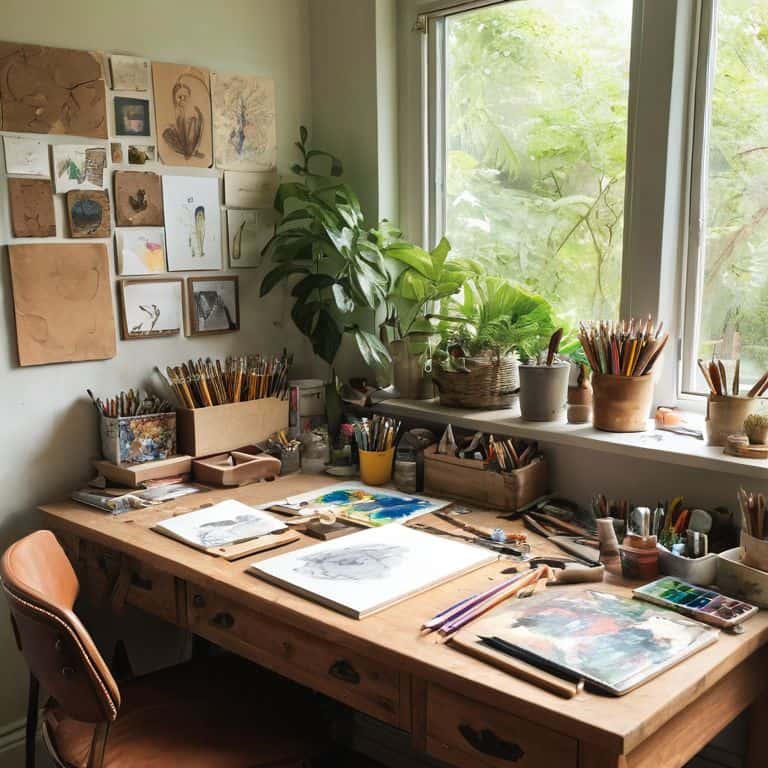
As I sit amidst the chaos of my own creative space, surrounded by half-finished projects and scraps of paper with scribbled notes, I’m reminded that finding your creative voice is a journey, not a destination. It’s a path littered with self-doubt, fear, and uncertainty, but also paved with happy accidents and unexpected breakthroughs. I’ve spent years studying the habits of famous artists, and one thing is clear: there’s no formula for success, only a willingness to embrace the unknown and trust the process. A guide to finding your creative voice should be just that – a gentle nudge in the right direction, not a rigid roadmap.
In this article, I promise to share practical advice and personal anecdotes that will help you uncover your unique creative voice. We’ll explore the importance of embracing your quirks and imperfections, and how to cultivate a mindset that allows you to take risks and experiment without fear of failure. My goal is to offer a realistic and inspiring perspective on the creative process, one that acknowledges the struggles and celebrates the triumphs. By the end of this journey, you’ll have a deeper understanding of what it means to find your creative voice, and the courage to keep exploring, even when the road ahead is uncertain.
Table of Contents
- Guide Overview: What You'll Need
- Step-by-Step Instructions
- A Guide to Finding Your Voice
- Embracing the Journey: 5 Tips to Uncover Your Creative Voice
- Embracing the Journey: 3 Key Takeaways to Finding Your Creative Voice
- Embracing the Journey
- Embracing the Journey to Creative Expression
- Frequently Asked Questions
Guide Overview: What You'll Need
Total Time: several weeks or months
Estimated Cost: little to no cost
Difficulty Level: Intermediate
Tools Required
- Journal for writing and reflection
- Camera for photography and observation
- Sketchbook for drawing and brainstorming
Supplies & Materials
- Pencils for writing and drawing
- Markers for coloring and highlighting
- Glue for collaging and mixed media
Step-by-Step Instructions
- 1. First, allow yourself to wander through the world of art, music, literature, or any other creative field that resonates with you. Don’t worry too much about finding your voice just yet; instead, focus on immersing yourself in the work of others. Visit museums, attend concerts, read books, and talk to people who are already doing what you want to do. This will help you develop your taste and sensibilities, which are essential for finding your unique creative voice.
- 2. Next, start exploring your own creative interests by trying out different mediums and techniques. If you’re a writer, try painting or drawing; if you’re a musician, try writing poetry or short stories. This will help you discover what comes naturally to you and what you enjoy doing. Don’t worry if your early attempts are not perfect – the goal is to have fun and experiment with different forms of expression.
- 3. Now, it’s time to listen to your inner critic and understand what holds you back from expressing yourself creatively. What are your deepest fears and doubts? What makes you feel like you’re not good enough? Confronting your inner critic is a crucial step in finding your creative voice, as it will help you develop a sense of self-awareness and self-acceptance.
- 4. The next step is to establish a daily creative practice that works for you. This could be as simple as writing for 10 minutes each morning, drawing for 30 minutes each evening, or practicing a musical instrument for an hour each day. The key is to make creativity a habit and to show up consistently, even if it’s just for a short period each day.
- 5. As you continue to practice and experiment, pay attention to your happy accidents – those unexpected moments when something beautiful and unexpected emerges from your creative process. These accidents can often lead to new insights and discoveries, and they can help you develop a unique style and voice.
- 6. Now, it’s time to seek out feedback and support from others. Share your work with trusted friends, family, or mentors, and ask for their honest feedback. Join a community of like-minded creatives who can offer support, encouragement, and constructive criticism. This will help you stay motivated and inspired, and it will give you a sense of belonging to a larger creative community.
- 7. Finally, be patient and trust the process. Finding your creative voice is a journey that takes time, effort, and dedication. Don’t get discouraged if you don’t see immediate results or if your early attempts don’t quite live up to your expectations. Remember that creativity is a muscle that needs to be exercised regularly, and that with consistent practice and patience, you will eventually find your unique voice and style.
A Guide to Finding Your Voice
As I reflect on my own journey as an art curator and author, I’ve come to realize that developing artistic individuality is a continuous process. It’s a path that winds and turns, often unexpectedly, and one that requires patience, curiosity, and a willingness to take risks. I’ve found that finding inspiration in nature can be a powerful catalyst for this journey, as it encourages us to slow down, observe, and listen to the world around us.
In my experience, the importance of creative experimentation cannot be overstated. It’s through experimentation that we discover new techniques, new mediums, and new ways of expressing ourselves. This process can be messy and unpredictable, but it’s also where the magic happens. As the artist Bob Ross once said, “We don’t make mistakes, just happy little accidents.” I’ve found that embracing this mindset can help us overcome self-doubt in art, and instead, view our mistakes as opportunities for growth and learning.
As we continue on this journey, it’s essential to cultivate a unique writing style that reflects our authentic voice. This means being vulnerable, taking risks, and sharing our true selves with the world. By embracing vulnerability in creative work, we open ourselves up to new possibilities, new connections, and new forms of expression. It’s a journey that requires courage, resilience, and a willingness to be imperfect, but one that ultimately leads to a deeper sense of purpose and fulfillment.
Developing Artistic Individuality
As I sit amidst the gentle chaos of an artist’s studio, surrounded by half-finished canvases and scattered sketches, I’m reminded that developing artistic individuality is a journey, not a destination. It’s a path winding through trials and errors, where the happy accidents and unexpected twists become the very fabric of our unique voice. Just as the delicate balance of ikebana demands patience and attention to the subtle nuances of nature, so too does the cultivation of our artistic essence require a deep listening to the whispers of our own creative heart.
In the words of the inimitable Frida Kahlo, “The only thing I know is that I paint because I need to, and I paint whatever passes through my head without any other consideration.” Her unwavering commitment to her own vision is a beacon of inspiration, urging us to stay true to the rhythms of our own creative soul, even when the world around us whispers doubts and fears.
Overcoming Self Doubt in Art
As I sit amidst the gentle curves of my ikebana arrangements, I’m reminded that even the most beautiful creations can stem from uncertainty. Self-doubt, that nagging voice, can be a formidable obstacle on the path to discovering your creative voice. It’s a feeling that has plagued even the most renowned artists throughout history. I recall the words of Vincent van Gogh, who once wrote, “If you hear a voice within you say ‘you cannot paint,’ then by all means paint, and that voice will be silenced.” His words echo the wisdom that embracing our doubts can, in fact, be the first step towards overcoming them.
In the stillness of my studio, surrounded by the letters of artists who have walked this same journey, I’ve come to realize that self-doubt is not a sign of weakness, but rather an indication that we’re pushing beyond the boundaries of our comfort zones. It’s a signal that we’re growing, that our voices are evolving. And it’s precisely this evolution that will ultimately lead us to our unique creative expression. By acknowledging and working through our doubts, we can tap into a deeper sense of authenticity and innovation, allowing our true voices to emerge.
Embracing the Journey: 5 Tips to Uncover Your Creative Voice
- Nurture Your Curiosity: Allow yourself to wander through museums, galleries, and studios, soaking up the stories and inspirations of fellow artists, just as I do when I visit the studios of emerging creatives
- Practice Imperfectly: Remember that creative block is a natural part of the process, a fallow season for your mind to rejuvenate and replenish itself with new ideas and perspectives, much like the gentle art of ikebana teaches us to find beauty in impermanence
- Find Solace in the Stories of Others: Read the letters and journals of famous artists, like van Gogh or Frida Kahlo, to understand that even the most renowned creatives faced self-doubt and uncertainty, yet still managed to produce works of profound beauty and significance
- Listen to the Whispers of Your Intuition: Pay attention to the happy accidents and unexpected turns that occur during your creative process, for these often hold the seeds of innovation and artistic growth, as the surrealists knew when they embraced the beauty of chance and spontaneity
- Be Gentle with Yourself: Treat your creative voice as a precious, evolving entity that requires patience, kindness, and compassion to flourish, just as a gardener tends to a delicate flower, nurturing it towards bloom with gentle care and devotion
Embracing the Journey: 3 Key Takeaways to Finding Your Creative Voice
Your creative voice is not a destination, but a continuous evolution – it’s the culmination of your experiences, passions, and values, and it will grow and change as you do
Embracing the unknown and allowing yourself to get lost in the creative process can be a powerful catalyst for discovery – don’t be afraid to take risks and make ‘happy accidents’ along the way
Finding your creative voice is not about achieving perfection, but about embracing your unique perspective and style – it’s okay to have doubts and uncertainties, but don’t let them silence the whispers of your inner artist
Embracing the Journey
The creative voice is not a destination, but a whispered promise of what’s to come – a gentle hum of curiosity, a spark of intuition, and a willingness to get lost in the beautiful mess of our own making.
Genevieve Croix
Embracing the Journey to Creative Expression
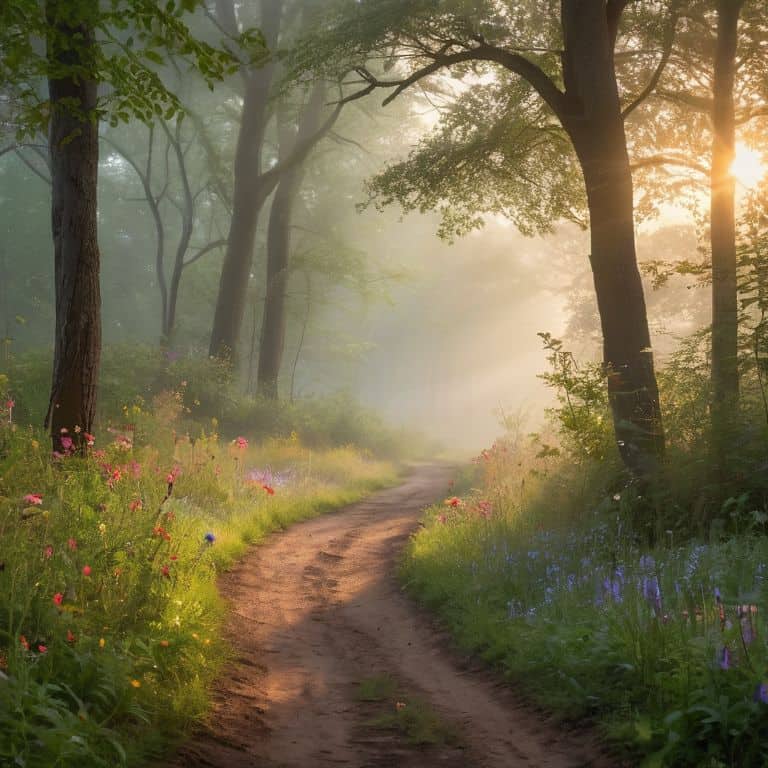
As we’ve navigated the twists and turns of finding your creative voice, remember that it’s a journey of self-discovery and growth. We’ve discussed the importance of developing artistic individuality, overcoming self-doubt, and embracing the uncertainties of the creative process. It’s crucial to acknowledge that your creative voice is unique and will evolve over time, shaped by your experiences, passions, and inspirations. By being open to new ideas, taking risks, and practicing patience, you’ll be well on your way to uncovering the hidden rhythms of your creative expression.
As you continue on this path, I want to leave you with a final thought: your creative voice matters. It’s the culmination of your thoughts, feelings, and observations, distilled into a unique form of expression that has the power to inspire, heal, and connect with others. So, don’t be afraid to let your voice be heard, even if it’s just a whisper at first. With time, dedication, and a willingness to learn, your creative voice will grow stronger, and you’ll find that it’s a powerful tool for self-expression, communication, and making a meaningful impact on the world around you.
Frequently Asked Questions
How do I silence my inner critic and trust my creative instincts?
To silence your inner critic, try embracing the ‘happy accidents’ that occur in your creative process. As the great artist, Bob Ross, once said, “We don’t make mistakes, just happy little accidents.” Trust your instincts by listening to your inner voice, and remember that self-doubt is a natural part of the journey.
What if my unique voice is not good enough or interesting to others?
Don’t worry if you doubt the appeal of your unique voice – every artist has. As Picasso said, “Every now and then one paints a picture that shows one has something to say.” Trust that your perspective is valuable, and remember, it’s not about pleasing everyone, but about staying true to your creative expression.
Can I find my creative voice if I'm not sure what kind of art I want to create or what medium I want to work with?
My friend, the uncertainty you’re feeling is a beautiful starting point. Not knowing what kind of art you want to create or what medium to work with can be a liberating blank canvas. Allow yourself to explore, to experiment, and to get a little messy – it’s often in the unknown that we stumble upon our true creative voice.