A Guide to What Subjects Look Best in Black and White
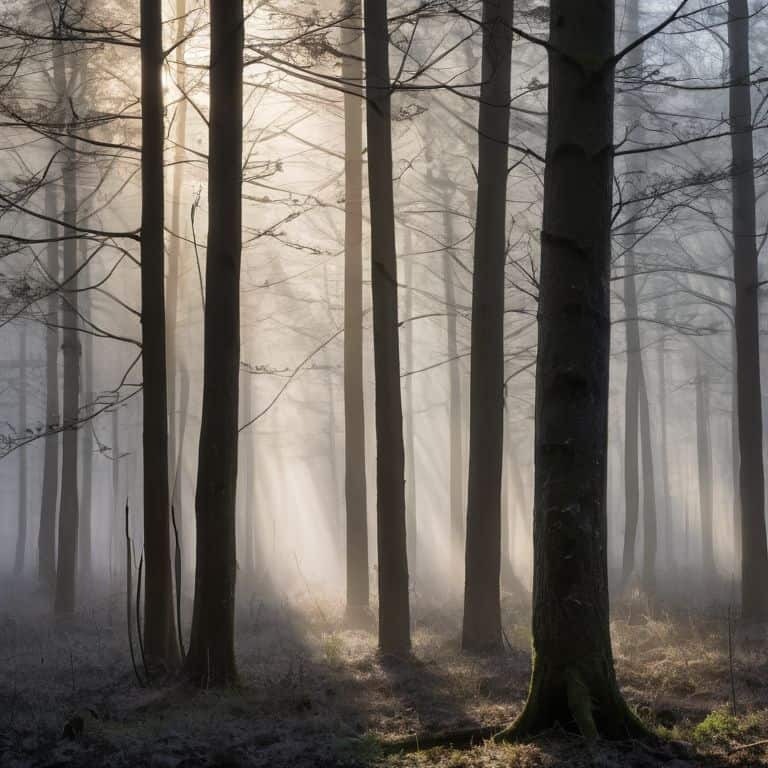
I still remember the first time I shot a cityscape in black and white – the way the golden hour light danced across the concrete, transforming the scene into a timeless tale. It was then that I realized what subjects look best in black and white isn’t about following a set of rules, but about capturing the essence of a moment. As I developed the film in my darkroom, I saw how the monochrome hues brought out the textures and emotions of the scene, making it feel almost intimate. This experience sparked a fascination with the art of black and white photography, and I’ve since spent years experimenting with different subjects and techniques to understand what truly makes a great monochrome image.
As someone who’s passionate about storytelling through photography, I want to share my honest, experience-based advice on what subjects look best in black and white. In this article, I’ll cut through the hype and offer a fresh perspective on how to choose the right subjects for black and white photography. I’ll draw from my own experiences, sharing personal anecdotes and tips on how to capture the beauty of the everyday world in monochrome. My goal is to inspire you to see the world in a new light, to experiment with black and white photography, and to find your own unique voice in the process.
Table of Contents
- Monochrome Magic
- What Subjects Shine in Black and White
- Converting Color to Black and White Composition Rules
- Street Photography in Black and White a World of Contrast
- Unveiling the Power of Monochrome: 5 Essential Tips
- Key Takeaways for Timeless Black and White Photography
- Timeless Wisdom
- Embracing the Timeless Beauty of Black and White
- Frequently Asked Questions
Monochrome Magic
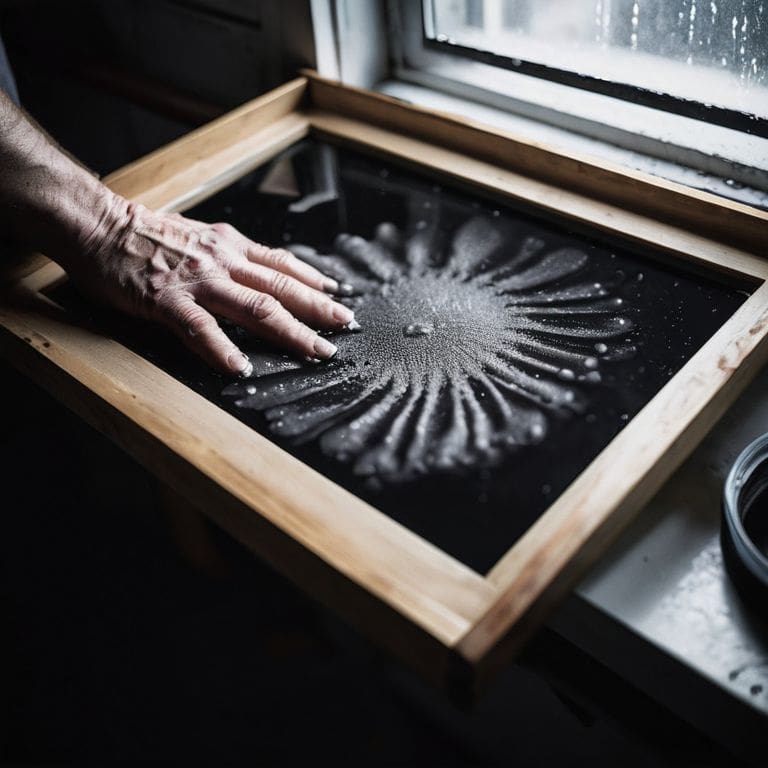
As I develop my photos in the darkroom, I’m constantly reminded of the monochrome magic that unfolds before my eyes. There’s something special about watching a black and white image come to life, with its _high contrast_ tones and deep textures. For me, this is where the true essence of photography lies – in the ability to capture the world in a way that’s both timeless and captivating.
When it comes to monochrome portrait photography, I believe that the key to success lies in understanding how to work with light. The golden hour, with its soft, warm tones, is perfect for creating portraits that exude a sense of intimacy and connection. By shooting in manual mode, I can control the exposure and contrast, allowing me to craft images that are truly unique and revealing. Whether I’m shooting in a studio or on the streets, my goal is always to capture the essence of my subject, and black and white photography allows me to do just that.
In my experience, converting color to black and white photos can be a powerful way to transform an image, stripping away distractions and focusing the viewer’s attention on the subject itself. This technique can be particularly effective in street photography, where the goal is often to tell a story or capture a moment in time. By applying black and white photography composition rules, such as the rule of thirds or leading lines, I can create images that are not only visually striking but also emotionally resonant.
High Contrast Photography Tips Unveiled
When I’m out on a shoot, I love experimenting with high contrast scenes, where the interplay between light and dark creates a sense of depth and drama. This is especially true in black and white photography, where the absence of color allows the viewer to focus on the textures and tones of the scene.
To make the most of high contrast photography, I always try to shoot in manual mode, adjusting my camera settings to capture the full range of tones in the scene. This allows me to preserve the details in both the shadows and highlights, resulting in a more nuanced and engaging image.
Mastering Monochrome Portrait Photography
When I’m behind the lens, I love capturing the essence of my subjects in black and white. It’s all about revealing their character through the subtle play of light and shadow. A well-crafted monochrome portrait can be incredibly powerful, conveying a sense of timelessness and intimacy.
I’ve found that the key to mastering monochrome portrait photography lies in paying attention to the quality of light. Soft, natural light can add a sense of warmth and depth to an image, while harsher light can create dramatic contrasts that draw the viewer’s eye to the subject’s features.
What Subjects Shine in Black and White
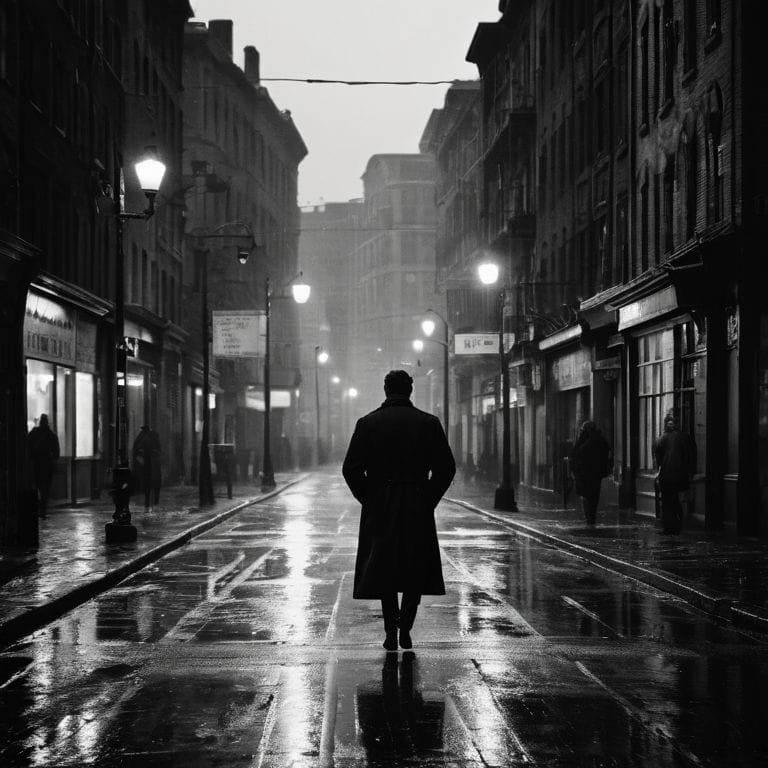
As I wander through the city with my camera, I’m always on the lookout for scenes that would thrive in black and white. There’s something about the way the monochrome palette strips away distractions, allowing the viewer to focus on the essence of the moment. For me, street photography in black and white is all about capturing the raw energy of urban life, from the gritty textures of city streets to the poignant expressions of passersby.
When it comes to high contrast photography tips, I’ve found that black and white is the perfect medium for emphasizing the interplay between light and shadow. By converting color to black and white photos, I can draw attention to the dramatic contrasts that might otherwise be lost in a riot of color. This is especially true in monochrome portrait photography, where the subtleties of expression and texture can be elevated to stunning effect.
In my own work, I’ve come to realize that black and white photography composition rules are more like guidelines, meant to be bent or broken in pursuit of a compelling image. Whether I’m shooting black and white landscape photography techniques or simply experimenting with different genres, my goal is always to craft a visual narrative that resonates with the viewer. By embracing the unique challenges and opportunities of black and white, I aim to create photographs that are not just technically proficient, but also emotionally resonant.
Converting Color to Black and White Composition Rules
When converting an image from color to black and white, I consider the role of tonal range in creating depth and dimension. A well-crafted black and white image can evoke a sense of timelessness, and it’s fascinating to see how different subjects respond to this transformation. As I develop my film in the darkroom, I’m always on the lookout for those moments where the absence of color reveals a new layer of meaning.
In my experience, the key to a successful conversion lies in the interplay of shadows, which can make or break the composition. By carefully balancing light and dark, I aim to create a sense of visual harmony that draws the viewer’s eye through the image. This delicate balance is what sets a great black and white photograph apart from a merely good one.
Street Photography in Black and White a World of Contrast
As I walk through the city streets, camera in hand, I’m constantly on the lookout for high-contrast scenes that would be perfect for black and white photography. The way the light falls on a rainy pavement, the shadows cast by towering skyscrapers, or the play of light on a street performer’s face – all these moments are waiting to be captured in monochrome.
I’ve found that manual mode is essential for street photography in black and white, as it allows me to control the exposure and bring out the nuances of the scene. By experimenting with different aperture and shutter speed settings, I can add depth and emotion to my images, drawing the viewer’s eye to the heart of the story.
Unveiling the Power of Monochrome: 5 Essential Tips
- Embracing textures and patterns, such as old buildings or natural landscapes, which become more pronounced in black and white
- Capturing moody and dramatic skies, where the interplay of light and clouds creates a stunning monochrome display
- Exploring the world of still life, where the simplicity of objects against a plain background can lead to powerful and evocative black and white images
- Focusing on the human form, where the subtleties of expression and the play of light on skin can be accentuated in monochrome, revealing deeper emotions and stories
- Experimenting with nighttime photography, where the absence of color can transform cityscapes and urban landscapes into surreal and captivating black and white scenes
Key Takeaways for Timeless Black and White Photography
I’ve found that the essence of black and white photography lies in its ability to strip away distractions, allowing the viewer to connect with the subject on a deeper level, as seen in my own portrait series shot during golden hour
Mastering the art of converting color images to black and white requires a keen eye for composition, with a focus on contrast, texture, and the emotional impact of the scene, much like my experiences with street photography in monochrome
Ultimately, the subjects that shine in black and white are those that tell a story, evoke an emotion, or capture a moment in time, which is why I always shoot in manual mode and seek out the unique qualities of natural light to enhance my photographs
Timeless Wisdom
To me, the subjects that look best in black and white are those that whisper stories of the past, present, and future all at once – the city streets at dawn, the lines on a loved one’s face, or the solitude of a rainy night; they’re the moments where time stands still, and all that’s left is the essence of the human experience.
Julian Kade
Embracing the Timeless Beauty of Black and White
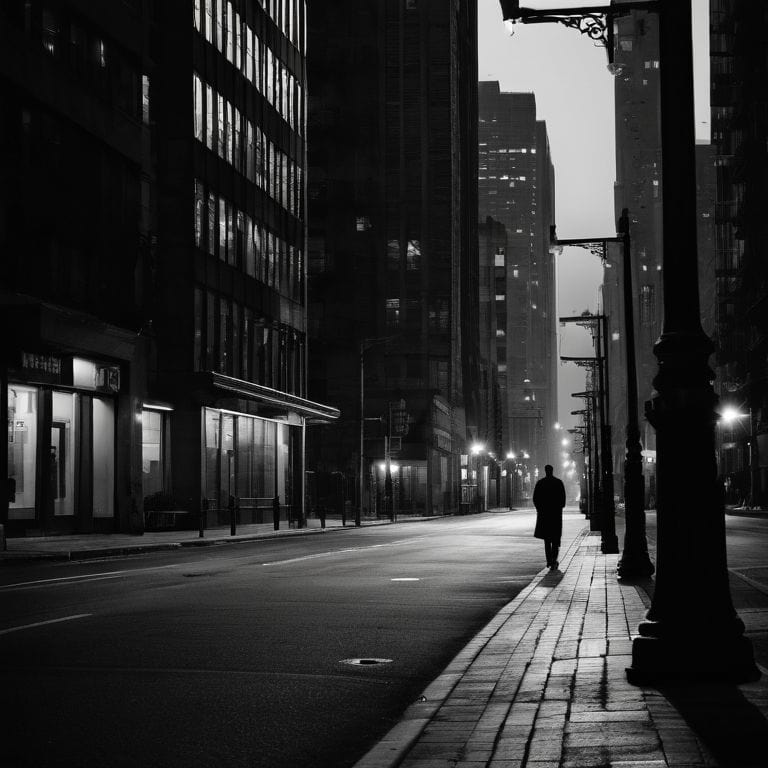
As I reflect on our journey through the realm of black and white photography, I’m reminded of the transformative power of this medium. From the high contrast scenes that unfold in city streets to the intimate, unposed portraits that reveal the essence of a subject, black and white photography has a way of distilling life to its most fundamental, emotive elements. Whether you’re drawn to the graphic simplicity of urban landscapes or the evocative storytelling of documentary photography, the key to mastering black and white lies in your ability to see beyond color, to uncover the underlying rhythms and textures that make an image truly unforgettable.
As you continue to explore the world of black and white photography, I encourage you to stay curious, to experiment fearlessly, and to always keep your eyes open to the beauty in the everyday. Remember, the most compelling photographs are those that tell a story, that evoke a feeling, or that challenge our perceptions. So, go forth, capture the world in all its monochrome majesty, and never stop pushing the boundaries of what’s possible with this incredible, timeless medium.
Frequently Asked Questions
How can I determine if a scene or subject will look better in black and white than in color?
For me, it’s all about the play of light and shadows – if a scene has strong contrasts, I know it’ll pop in black and white. I also look for textures, patterns, and emotions that can be amplified without color.
Are there any specific genres of photography, such as landscape or still life, that are more suited to black and white?
I’m a huge fan of landscape and still life in black and white – there’s something about the simplicity of tones that amplifies the textures and forms. For me, it’s all about capturing the essence of a scene, like the drama of a misty mountain range or the intimacy of a still life composition, where the lack of color lets the viewer’s imagination fill in the gaps.
What role does lighting play in making a black and white image successful, and how can I use it to enhance my monochrome photos?
Lighting is the heartbeat of a great black and white image – it’s all about capturing the dance of shadows and highlights. I’m obsessed with golden hour, when the soft, warm light brings depth and emotion to my photos. By shooting during this time, or using artificial light to mimic it, you can add a richness and complexity to your monochrome images that draws the viewer in.