A Guide on How to Set Boundaries as a Creative Freelancer

I still remember the days when I thought being a creative freelancer meant saying yes to every project that came my way. But the truth is, learning how to set boundaries as a creative freelancer is what saved my sanity and allowed me to actually enjoy the work I do. It’s a lesson I learned the hard way, after months of burning out and feeling like I was losing myself in the process. I had to figure out that setting boundaries isn’t about being rigid or inflexible, but about being intentional with my time and energy.
In this article, I’ll share my personal story and the practical systems I’ve developed to help you set boundaries that work for you. You’ll learn how to prioritize your own needs, communicate effectively with clients, and create a schedule that balances work and rest. My goal is to give you the honest, no-hype advice you need to build a sustainable freelance career that supports your creativity, rather than draining it. By the end of this guide, you’ll have a clear understanding of how to set boundaries as a creative freelancer and be equipped with the tools to make it a reality in your own life.
Table of Contents
- Guide Overview: What You'll Need
- Step-by-Step Instructions
- Setting Boundaries
- Setting Boundaries Like a Pro: 5 Essential Tips for Creative Freelancers
- Key Takeaways for Setting Boundaries as a Creative Freelancer
- Boundary Wisdom
- Embracing Boundaries for a Thriving Creative Life
- Frequently Asked Questions
Guide Overview: What You'll Need

Total Time: 1 hour to 3 hours
Estimated Cost: $0 – $100
Difficulty Level: Intermediate
Tools Required
- Journal or Planner (for scheduling and organizing)
- Computer or Smartphone (with internet access for research and communication)
- Timer (optional, for focused work sessions)
Supplies & Materials
- Boundary Setting Worksheet (printable or digital template)
- Client Contract Template (customizable for freelance work)
- Self-Care Materials (e.g., meditation app, exercise equipment, or art supplies)
Step-by-Step Instructions
- 1. First, identify your non-negotiables – those things that you absolutely cannot compromise on, whether it’s your morning journaling time, your weekly yoga practice, or your Sunday evening routine. For me, it’s about having a few hours of uninterrupted time in the morning to focus on my own writing projects. By recognizing what you’re not willing to budge on, you can start setting boundaries that protect your time and energy.
- 2. Next, assess your current workload and client commitments to understand where you can start drawing lines. Look at your calendar, your to-do list, and your ongoing projects, and ask yourself: what can I delegate, what can I delay, and what can I simply say no to? As a freelancer, it’s easy to get sucked into overcommitting, but trust me, it’s better to underpromise and overdeliver than to risk burning out.
- 3. Now, establish a clear communication channel with your clients and colleagues. This means setting up a system for how you receive and respond to requests, whether it’s through email, phone, or project management tools. I use a combination of all three, and I make sure to respond to messages within a certain timeframe to maintain a sense of boundaries and expectation. By being intentional about how you communicate, you can avoid misunderstandings and protect your time.
- 4. Fourth, set realistic expectations with your clients about your work hours, response times, and availability. This might mean having a conversation with them about your boundaries and what you’re comfortable with, or it might mean including a clause in your contract that outlines your working hours and response times. Remember, it’s better to have these conversations upfront than to deal with the fallout later.
- 5. Fifth, create a schedule that works for you, not against you. As a creative freelancer, you might not be a morning person, or you might need to work in short bursts with frequent breaks. Whatever your rhythm, make sure you’re scheduling your work and personal time in a way that honors your natural flow. For me, this means blocking out large chunks of time for focused work, with built-in breaks for yoga, journaling, or simply taking a walk.
- 6. Sixth, learn to say no without guilt, which is often the hardest part of setting boundaries. Remember that saying no to something that doesn’t align with your values or goals means saying yes to something that does. When a client or colleague asks you to take on more work, or to work outside your usual hours, practice using phrases like “I’m not the best fit for that project” or “I need to prioritize my existing commitments.” Trust me, it gets easier with time.
- 7. Finally, review and adjust your boundaries regularly, because life is unpredictable and your needs will change over time. Schedule regular check-ins with yourself to assess what’s working and what’s not, and be willing to make adjustments as needed. This might mean revising your contract, updating your schedule, or having tough conversations with clients or colleagues. By staying flexible and intentional, you can maintain healthy boundaries that support your creative work and your overall well-being.
Setting Boundaries

As I reflect on my own journey as a freelancer, I’ve come to realize that establishing healthy client relationships is crucial for maintaining a sense of balance and sanity. This means being clear about my expectations, boundaries, and work style from the get-go. I make it a point to have an open and honest conversation with my clients about their needs, and I also take the time to explain my own requirements for successful collaboration. By doing so, we can work together to achieve our goals without compromising my own well-being.
Effective time management is also essential for freelancers, as it allows us to prioritize our tasks, meet deadlines, and avoid burnout. I’ve found that time blocking has been a game-changer for my productivity, as it enables me to focus on specific tasks without distractions. By scheduling my work in dedicated blocks, I can ensure that I’m making progress on my projects while also leaving space for rest and self-care.
To maintain a healthy work-life balance, I’ve had to learn to say no to projects that don’t align with my values or goals. This means being mindful of my own limitations and avoiding overcommitting myself. By setting realistic project expectations and communicating clearly with my clients, I can ensure that I’m delivering high-quality work without sacrificing my own well-being. This, in turn, allows me to maintain a sense of balance and harmony in my personal and professional life.
Effective Time Management Strategies
For me, effective time management is about creating a schedule that honors my creative rhythms. I prioritize my most focused work during my most productive hours, usually early morning, and break it down into manageable chunks. This allows me to deliver quality work while maintaining a sense of control and calm. I’ve found that using a planner or calendar to block out dedicated time for clients, projects, and self-care helps me stay on track.
By being intentional with my time, I can set realistic expectations with clients and avoid overcommitting. This, in turn, helps me maintain healthy boundaries and reduce stress. I also make sure to schedule regular breaks and time for self-reflection, which helps me recharge and stay focused on my goals.
Establishing Healthy Client Relationships
Establishing healthy client relationships is key to maintaining those boundaries. For me, it’s about being clear and direct from the get-go – I make sure my contracts outline exactly what’s included in our agreement, and what’s not. This way, we’re both on the same page, and I can avoid those pesky scope creep conversations down the line. I also prioritize regular check-ins to ensure we’re aligned on project goals and expectations. By doing so, I’ve found that clients respect my time and energy, and I can focus on delivering quality work that makes us both happy.
Setting Boundaries Like a Pro: 5 Essential Tips for Creative Freelancers
- Communicate Your Boundaries Clearly: Be direct and transparent with your clients about your working hours, response times, and availability to avoid misunderstandings and burnout
- Learn to Say No Without Guilt: Remember that taking on too much can compromise the quality of your work, so it’s okay to decline non-essential projects that don’t align with your goals or values
- Set Realistic Expectations with Clients: Manage client expectations by setting clear goals, deadlines, and communication channels to ensure a smooth workflow and minimize last-minute requests
- Schedule Self-Care as Non-Negotiable: Treat activities like exercise, meditation, or journaling as essential parts of your daily routine, just like any other important task, to maintain your physical and mental well-being
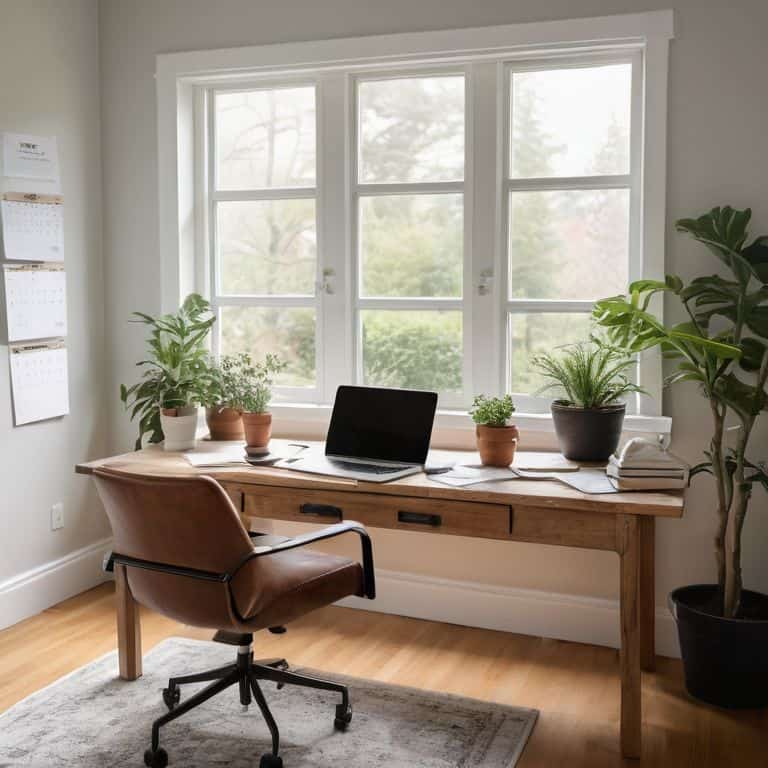
- Establish a Dedicated Workspace: Create a dedicated workspace that is free from distractions and interruptions, allowing you to fully focus on your creative work and establish a clear boundary between your work and personal life
Key Takeaways for Setting Boundaries as a Creative Freelancer
Prioritize self-care by scheduling intentional rest and creative sprints to maintain a healthy work-life balance
Establish clear boundaries with clients through open communication, defined project scopes, and realistic deadlines to ensure mutual respect and understanding
Implement practical systems like time-blocking, color-coding, and journaling to stay organized, focused, and committed to your goals as a freelancer, allowing you to nurture your creativity and well-being
Boundary Wisdom
Setting boundaries as a creative freelancer isn’t about building walls, it’s about crafting a sanctuary where your art can thrive – and that requires saying no to everything that doesn’t serve your soul.
Audrey Bell
Embracing Boundaries for a Thriving Creative Life
As I reflect on my journey as a creative freelancer, I’m reminded that setting boundaries is not a one-time task, but an ongoing process. It requires intentional effort to establish healthy client relationships, implement effective time management strategies, and prioritize self-care. By doing so, I’ve been able to maintain a sustainable work-life balance and nurture my creative spirit. The key takeaways from our journey together have been to communicate clearly with clients, learn to say no without guilt, and schedule time for rest and inspiration.
As you embark on your own boundary-setting journey, remember that it’s okay to be imperfectly perfect. Don’t be too hard on yourself when you slip up – simply acknowledge the setback and gently get back on track. By embracing boundaries and making them a non-negotiable part of your creative life, you’ll be amazed at how your relationships, productivity, and overall well-being will flourish. So, take a deep breath, grab your favorite journal, and start crafting the boundaries that will set your creative soul free.
Frequently Asked Questions
How do I communicate my boundaries to clients without losing their business?
Honestly, I used to dread this conversation, but now I see it as an opportunity to educate clients on my process. I simply explain my work hours, response times, and availability, and assure them it’s to ensure high-quality work. I’ve found that transparency and a clear explanation of my boundaries actually builds trust and respect with my clients.
What are some strategies for setting boundaries around my work schedule and avoiding burnout?
For me, it’s all about prioritizing intentional rest and creative sprints. I block out dedicated work hours, and then schedule self-care activities, like yoga or journaling, to maintain balance. By color-coding my calendar and setting clear boundaries with clients, I can avoid burnout and nurture my creative energy.
How can I prioritize self-care and maintain a healthy work-life balance as a creative freelancer with a variable income?
For me, prioritizing self-care means scheduling ‘intentional rest’ into my week, just like I would any client deadline. I also color-code my budget to stay on top of variable income, ensuring I set aside time and funds for activities that nourish my mind, body, and soul – like yoga and journaling.