A First Project: How to Make a Simple Handmade Journal
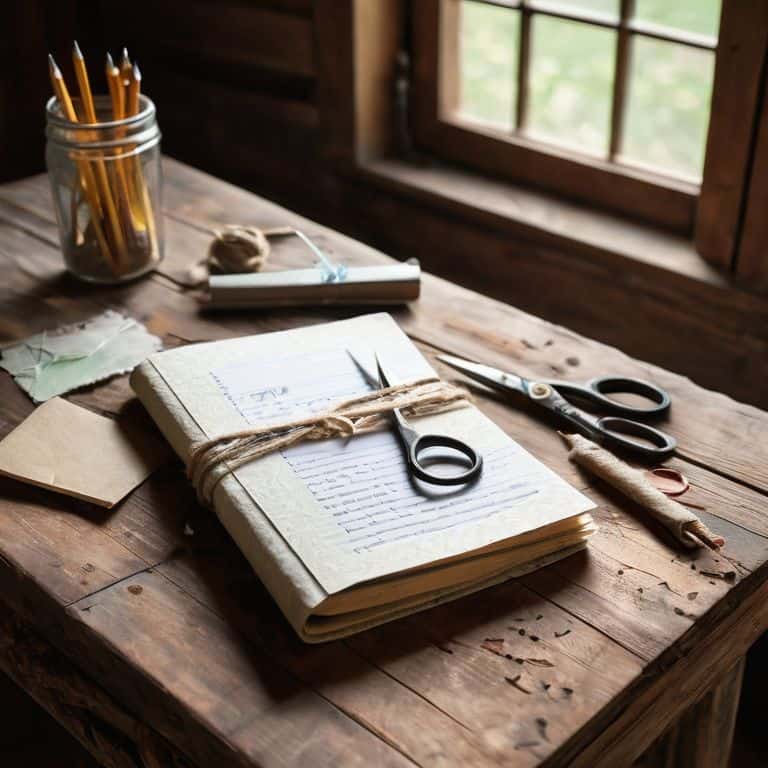
As I sit in my workshop, surrounded by scraps of leather and wood shavings, I’m reminded of the joy that comes with creating something with your own hands. I’ve heard people say that making a handmade journal is a tedious, time-consuming process, but I’m here to tell you that’s just not true. In fact, learning how to make a simple handmade journal can be a therapeutic and rewarding experience. I still remember my first attempt at making a journal – it was a disaster, but it sparked a passion in me that has only grown stronger over the years.
In this article, I’ll guide you through the process of crafting a one-of-a-kind, simple handmade journal that reflects your personality and style. You’ll learn how to select the perfect materials, from the texture of the paper to the type of binding, and how to bring it all together with a few simple tools. My goal is to empower you with the knowledge and confidence to create something truly unique, and to show you that making a handmade journal is not just about putting words on paper, but about creating a tangible piece of art that tells a story.
Table of Contents
- Guide Overview: What You'll Need
- Step-by-Step Instructions
- Craft Your Story
- Finding Solace in Simple Bookbinding for Stress Relief
- Weaving Diy Journal Ideas With Handmade Paper Techniques
- Embracing the Art: 5 Essential Tips for Crafting a Simple Handmade Journal
- Embracing the Art of Handmade Journaling: 3 Key Takeaways
- Embracing the Imperfections
- Embracing the Art of Handmade Journaling
- Frequently Asked Questions
Guide Overview: What You'll Need
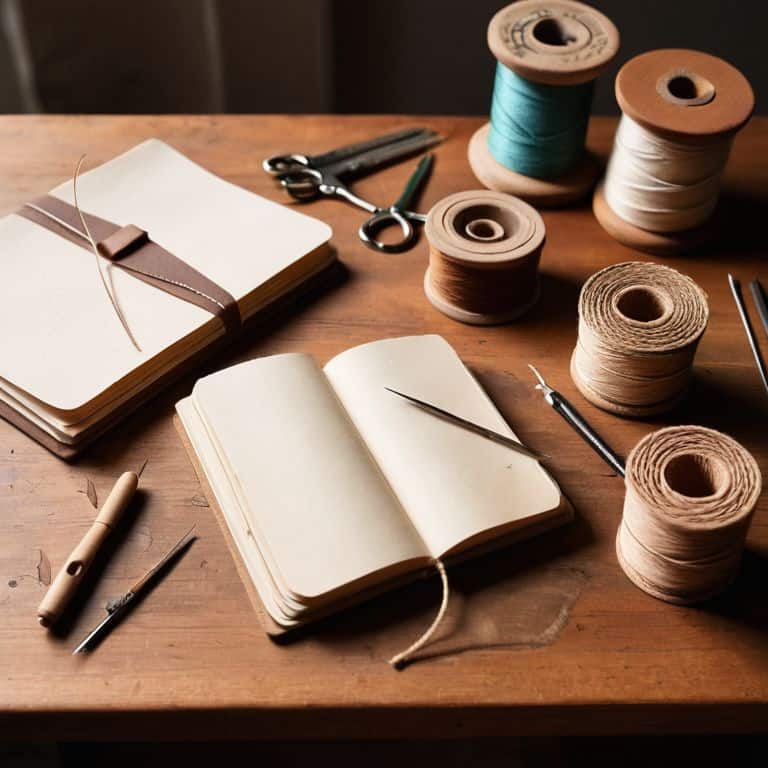
Total Time: 1 hour 30 minutes
Estimated Cost: $10 – $20
Difficulty Level: Easy
Tools Required
- Scissors (sharp)
- Bone Folder (or similar tool for creasing paper)
- Ruler (12 inches long)
- Pencil (for marking pages)
- Glue (such as PVA glue)
- Needle and Thread (for sewing pages together)
Supplies & Materials
- Paper (at least 20 sheets, 8.5 inches x 11 inches)
- Cardstock (for cover, 1 sheet, 8.5 inches x 11 inches)
- Decorative Tape (optional)
- Ribbons or Elastic (for closure, optional)
Step-by-Step Instructions
- 1. First, let’s start by gathering our materials, shall we? We’ll need a few simple tools like a bone folder, a ruler, and a pencil to get our journal’s foundation right. I like to use a mix of recycled and new materials for my journals, giving them a unique character that reflects my love for urban gardening and the beauty of natural textures.
- 2. Next, we’ll cut our paper to size, aiming for a consistent shape that will become the heart of our journal. I prefer using a combination of blank and grid paper, allowing for both free-form expression and structured note-taking. This mix of freedom and order is what makes handmade journals so special, don’t you think?
- 3. Now, let’s prepare our cover materials. For this project, I’ve chosen a beautiful piece of leather that I’ve been saving for a special project. The key to working with leather is to understand its natural imperfections and to embrace the uniqueness it brings to our journal. Whether it’s a scratch or a slight color variation, these imperfections tell a story.
- 4. With our materials ready, it’s time to start assembling our journal. We’ll begin by folding our paper in half and then sewing it together using a simple stitch. This process requires patience and a gentle touch, as we’re not just binding pages, we’re creating a vessel for stories. I find that listening to music or nature sounds helps me get into the right mindset for this part of the process.
- 5. After sewing our pages together, we’ll attach the leather cover. This involves applying a thin layer of adhesive and then carefully wrapping the leather around our journal’s body. It’s a bit like wrapping a gift, except the gift is the promise of blank pages waiting to be filled with thoughts, sketches, and inspirations.
- 6. To add an extra layer of protection and character to our journal, we’ll now attach a closure system. For this, I’m using a simple leather strap with a wooden button. The process of finding the right closure is almost like discovering a hidden treasure; it’s about finding the perfect complement to our journal’s unique personality.
- 7. Finally, let’s add the finishing touches to our handmade journal. This could be as simple as adding a ribbon bookmark or as complex as embossing a personal message on the cover. The point is to make it truly yours, a reflection of your personality and what you hope to achieve with this journal. Whether it’s a daily log, a sketchbook, or a place for poetry, your handmade journal is now ready to become a part of your story.
Craft Your Story

As I sit amidst the scraps of paper and leather shavings in my workshop, I’m reminded that the true beauty of a handmade journal lies not just in its functionality, but in the story it tells. The imperfections, the handmade paper techniques, and the simple bookbinding methods all come together to create a unique narrative. When you craft your own journal, you’re not just making a tool for writing, you’re creating a tangible piece of yourself.
The process of journaling can be a powerful form of journaling for stress relief, allowing you to slow down and reflect on your thoughts and emotions. As you fill the pages of your handmade journal, you’ll begin to appreciate the value of putting pen to paper, and the sense of accomplishment that comes with creating something with your own hands. Whether you opt for a custom journal cover or choose to work with recycled paper, the end result is a one-of-a-kind treasure that holds a piece of your soul.
As you continue to use your handmade journal, you’ll find that it becomes a trusted companion, a place where you can express yourself freely, and explore your creativity. Don’t be afraid to experiment with different diy journal ideas, and remember that the journey of creating something handmade is just as important as the final product. By embracing the process, you’ll find that your journal becomes a reflection of your personality, and a celebration of the beauty of natural materials.
Finding Solace in Simple Bookbinding for Stress Relief
As I sit at my workbench, surrounded by scraps of leather and piles of paper, I find a sense of calm wash over me. The act of bookbinding, with its meticulous stitches and gentle folds, is a meditation in itself. The world outside recedes, and all that’s left is the tactile thrill of creation. I lose myself in the rhythm of the thread passing through the pages, the soft creak of the leather as it yields to my touch. In this quiet, focused space, I find solace from the chaos of everyday life.
The simple, repetitive motions of bookbinding are a balm to my mind, allowing me to untangle my thoughts and find clarity. As I work, I feel my breathing slow, my heart rate steady, and my senses come alive. The smell of paper and ink, the feel of texture and weight, all blend together to create a sense of peace that stays with me long after I’ve closed the cover on my latest creation.
Weaving Diy Journal Ideas With Handmade Paper Techniques
As I delve deeper into the world of handmade journals, I find myself captivated by the art of crafting my own paper. There’s something therapeutic about mixing pulp, watching fibers intertwine, and feeling the texture of a freshly made sheet. I love experimenting with different materials – leaves, flowers, and even tea bags – to create unique, one-of-a-kind pages. The imperfections, the unexpected patterns, and the organic feel of handmade paper all contribute to a journal that’s truly one-of-a-kind.
By incorporating handmade paper techniques into your DIY journal, you’re not only adding an extra layer of personalization but also infusing your story with the beauty of imperfection. Whether you’re a seasoned crafter or just starting out, the process of creating your own paper is a journey worth taking. It’s a chance to slow down, get creative, and weave your story into the very fabric of your journal.
Embracing the Art: 5 Essential Tips for Crafting a Simple Handmade Journal
- Let your cover tell a story: Choose materials that resonate with you, whether it’s a piece of vintage fabric, a slab of reclaimed wood, or a sheet of handmade paper
- Thread your narrative: Experiment with different stitching patterns and techniques to add a personal touch to your journal’s binding
- Fill the pages with intention: Incorporate meaningful elements like handwritten quotes, sketches, or pressed flowers to make your journal a true reflection of yourself
- Don’t be afraid to leave imperfections: The beauty of a handmade journal lies in its uniqueness, so embrace the small mistakes and inconsistencies that make it truly one-of-a-kind
- Make it a sensory experience: Incorporate different textures, colors, and smells into your journal to create a multisensory experience that invites you to slow down and savor the moment
Embracing the Art of Handmade Journaling: 3 Key Takeaways
As you embark on crafting your own handmade journal, remember that the journey is just as important as the final product – the imperfections and unique touches are what make it truly special
Experimenting with different materials and techniques, such as handmade paper and simple bookbinding, can add an extra layer of depth and personalization to your journal, making it a reflection of your story
Through the process of creating a handmade journal, you’ll not only develop a new skill, but also discover a therapeutic outlet for self-expression and stress relief, allowing you to weave your story into the very pages of your creation
Embracing the Imperfections
As I bind the pages of a handmade journal, I’m reminded that it’s not the perfection of the craft that gives it soul, but the gentle imperfections that whisper stories of their own, a testament to the human touch that brought them to life.
Finn Rivera
Embracing the Art of Handmade Journaling

As we conclude this journey of creating a simple handmade journal, let’s reflect on the key elements that bring this project to life. From selecting the perfect materials to weaving DIY journal ideas with handmade paper techniques, each step is an opportunity to infuse your personality into the craft. The process of crafting your story within these handmade pages is not just about putting words to paper, but about creating a tangible, meaningful object that tells a story of its own. By embracing the imperfections and uniqueness of handmade objects, you’re not just making a journal, you’re creating a piece of yourself.
As you close the cover on your finished journal, remember that the true beauty lies not in the destination, but in the journey of creation. The act of making something with your own hands is a powerful form of self-expression and a testament to the human desire to create and connect. So, let the soul of your handmade journal be a reminder to always nurture your creativity, and may the stories you tell within its pages inspire others to do the same.
Frequently Asked Questions
What type of paper is best suited for a handmade journal?
For me, the best paper for a handmade journal is one with a bit of texture and character. I love using cotton or linen paper, as it has a soft, organic feel that invites writing and sketching. The subtle imperfections in handmade paper only add to its charm, making each page a unique canvas for your stories.
How do I ensure that my handmade journal lies flat when open?
To ensure your handmade journal lies flat, try using a simple stitch or a Coptic binding method, which allows the pages to open freely. You can also add a few strategically placed stitches to the spine, giving it just enough flexibility to relax when open, much like a well-worn book.
Can I add any personal touches or embellishments to my handmade journal cover?
Absolutely, let’s make it personal. Consider adding a monogram, a handmade paper insert, or a small photograph to your cover. You could also experiment with natural dyes, stamps, or intricate drawings to give your journal a unique character. These touches will not only reflect your personality but also make your handmade journal truly one-of-a-kind.