A Guide to Finding Royalty-free Music for Your Videos
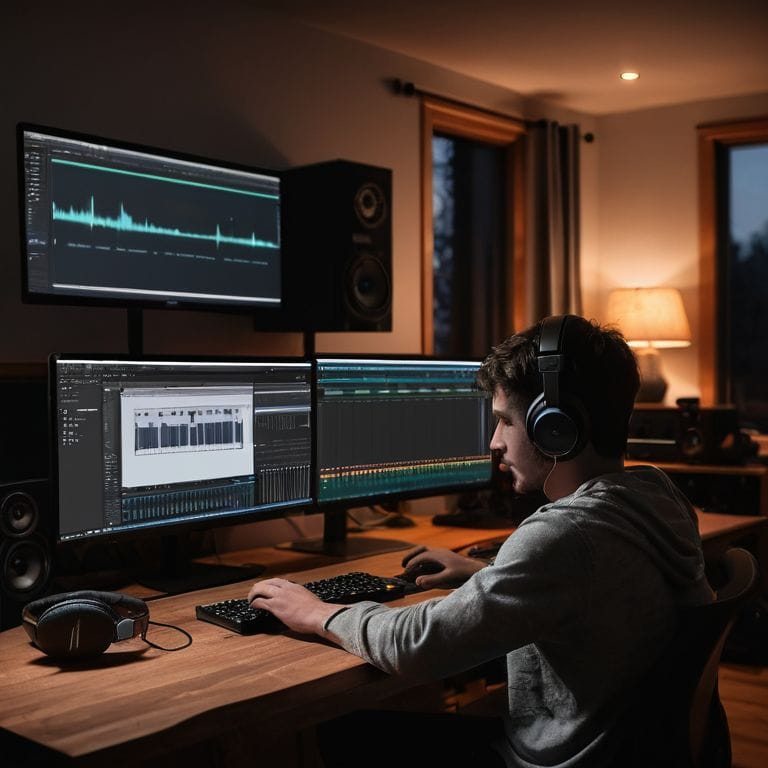
I still remember the frustration of searching for the perfect soundtrack for my documentary film. It was like trying to find a needle in a haystack – I needed a score that would elevate my story, but I didn’t want to break the bank or risk copyright infringement. That’s when I discovered the world of royalty-free music, and it was a game-changer. As a filmmaker, I’ve learned that a good soundtrack can make or break a film, which is why I’m excited to share my knowledge on a guide to finding royalty-free music.
In this article, I’ll take you through my personal process of finding and selecting the right royalty-free music for your film. I’ll share my favorite resources, tips for finding unique scores, and how to ensure that your soundtrack complements your story without overpowering it. Whether you’re a seasoned filmmaker or just starting out, this guide will provide you with the practical advice you need to find the perfect royalty-free music for your project. By the end of this article, you’ll be equipped with the knowledge to elevate your storytelling and bring your film to life with a captivating soundtrack.
Table of Contents
- Guide Overview: What You'll Need
- Step-by-Step Instructions
- Finding Royalty Free Rhythm
- Harmonizing Your Story: 5 Essential Tips for Finding Royalty-Free Music
- Key Takeaways for Finding the Perfect Royalty-Free Soundtrack
- The Heartbeat of Your Film
- Finding Harmony: A Conclusion
- Frequently Asked Questions
Guide Overview: What You'll Need

Total Time: 1 hour 30 minutes
Estimated Cost: Free – $50
Difficulty Level: Easy
Tools Required
- Computer (with internet connection)
- Web Browser (e.g., Google Chrome, Mozilla Firefox)
Supplies & Materials
- Royalty-Free Music Websites List (e.g., Free Music Archive, Audio Library)
- Music Streaming Platform Subscription (optional, e.g., Spotify, Apple Music)
Step-by-Step Instructions
- 1. First, let’s start by understanding that finding the right soundtrack is crucial to setting the tone and atmosphere of your film. I always begin by brainstorming the emotions and themes I want to convey in my story, and then I think about the type of music that would complement those feelings. For example, if I’m working on a documentary about a social issue, I might look for music that’s more somber and reflective.
- 2. Next, I head to my favorite royalty-free music platforms, such as Audio Library or Free Music Archive, to start searching for tracks that fit my vision. I love these websites because they offer a wide range of high-quality music that’s specifically designed for filmmakers like me. I can search by genre, mood, or even instrument, which makes it easy to find the perfect fit for my project.
- 3. Now, let’s talk about creating a playlist of potential tracks. I like to create a playlist on the music platform I’m using, and then add all the tracks that resonate with me. This helps me to narrow down my options and get a sense of how the different tracks work together. I might also experiment with different tempo and pacing to see how it affects the overall feel of my film.
- 4. Once I have my playlist, I start experimenting with different tracks in my edit. I’ll drop a track into my timeline and see how it makes me feel. Does it elevate the scene, or does it distract from it? I’m looking for that magical moment when the music and the footage come together to create something truly special.
- 5. As I’m experimenting with different tracks, I’m also paying close attention to the lyrics and instrumentation. I want to make sure that the lyrics aren’t distracting or conflicting with the message of my film, and that the instrumentation is complementary to the sound design. For example, if I’m working on a scene with a lot of dialogue, I might choose a track with minimal lyrics or a more subtle melody.
- 6. Another important consideration is the licensing and attribution requirements for the music I choose. I always make sure to read the terms and conditions carefully, and understand what I’m allowed to do with the track. Some royalty-free music platforms require attribution, which means I need to give credit to the artist in my film’s credits or on my website.
- 7. Finally, I like to test my soundtrack with a small audience to get feedback and make any final adjustments. This might involve screening my film for a few friends or colleagues, or even just playing the soundtrack for someone and asking for their honest opinion. By doing this, I can ensure that my soundtrack is resonating with my audience and elevating the overall impact of my film.
Finding Royalty Free Rhythm
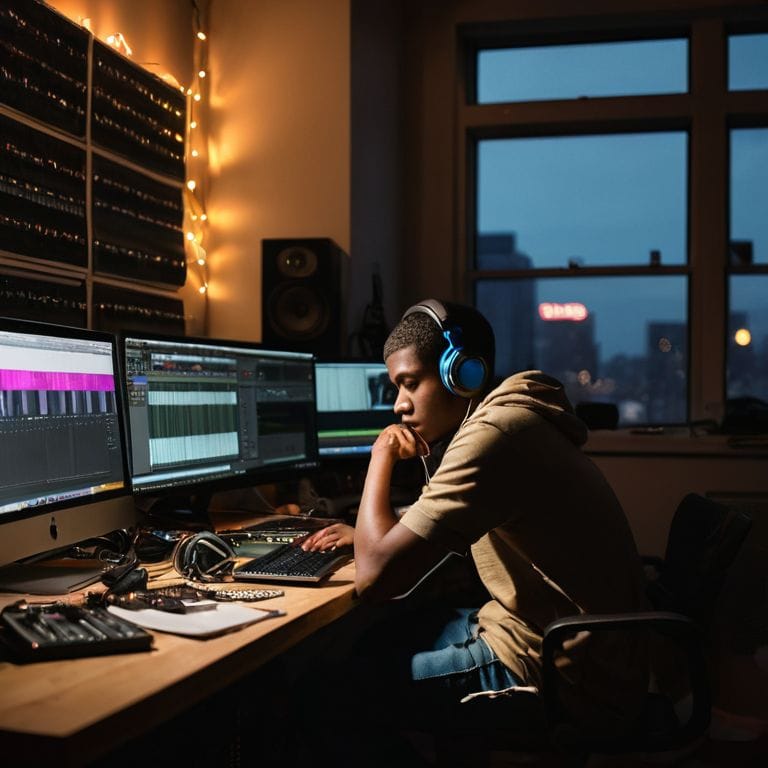
As I delve into the world of background music for videos, I’m reminded that the right soundtrack can make or break the emotional impact of a film. When searching for _free music for commercial use_, it’s essential to consider the tone and atmosphere you want to create. I’ve found that exploring _independent music artists_ can lead to some incredible discoveries, and their unique sound can add a layer of authenticity to your project.
When browsing _stock music websites_, I look for tracks that have a clear structure and progression, which can help to build tension or resolve it. _Music licensing for YouTube_ can be a complex issue, but many platforms offer pre-licensed tracks that can simplify the process. I’ve also found that creating a playlist with different genres and moods can help to spark inspiration and find the perfect fit for my film.
By taking the time to carefully select and edit your audio tracks, you can create a seamless sonic experience that elevates your visuals and draws the viewer in. Whether you’re working on a short film, documentary, or commercial, the right _audio tracks for films_ can make all the difference in conveying your message and evoking emotions.
Navigating Stock Music Websites
When I’m on the hunt for the perfect royalty-free soundtrack, I often find myself navigating through stock music websites. It’s amazing how a single track can elevate the mood and atmosphere of a scene. I’ve spent hours browsing through platforms like AudioJungle, Epidemic Sound, and Free Music Archive, discovering hidden gems that bring my stories to life. Each website has its own unique character, and I love exploring the different genres, moods, and instrumentation they offer.
As I browse, I’m always on the lookout for tracks that not only fit my film’s tone but also have a certain emotional resonance. I believe that music is 50% of the film, and the right track can make all the difference in drawing my audience in. By taking the time to carefully select the perfect royalty-free music, I can create a truly immersive experience that leaves a lasting impression.
Uncovering Authentic Background Music
As I delve into the world of royalty-free music, I’m always on the lookout for tracks that feel genuine and unforced. Authentic background music can make or break the atmosphere of a scene, and I’ve found that the best sources are often the ones that feel most human. I love scouring independent music platforms and discovering emerging artists who are willing to license their work for film use. There’s something special about supporting up-and-coming talent and giving their music a new life in your story.
When searching for authentic background music, I consider the mood and tone of my film. I look for tracks that not only fit the genre but also evoke the desired emotional response. Whether it’s a haunting melody or an upbeat rhythm, the right music can elevate your visuals and create a lasting impression on your audience.
Harmonizing Your Story: 5 Essential Tips for Finding Royalty-Free Music
- Set the tone with your soundtrack: Choose royalty-free music that complements the emotional arc of your story, amplifying the impact of your visuals
- Experiment with indie artists: Many emerging musicians offer their work under Creative Commons licenses, providing a unique and authentic sound for your film
- Browse beyond the usual stock music websites: Venture into niche platforms, online forums, and social media groups to discover hidden gems and underrated composers
- License to thrill: Understand the different types of royalty-free licenses, from attribution to commercial use, to ensure you’re using music that fits your project’s needs and budget
- Listen with your eyes closed: When searching for the perfect royalty-free track, try closing your eyes and focusing solely on the audio – it’s amazing how your perception of the music can change when you’re not influenced by visual distractions
Key Takeaways for Finding the Perfect Royalty-Free Soundtrack
I’ve learned that the right royalty-free music can elevate your film, and it’s all about finding a track that resonates with your story’s tone and pacing
By exploring beyond the usual stock music websites and digging into lesser-known platforms, indie artist playlists, and public domain resources, you can uncover unique and authentic sounds that set your film apart
Remember, the soundtrack is 50% of your film’s emotional impact, so take the time to experiment, trust your instincts, and choose a royalty-free track that makes your story come alive
The Heartbeat of Your Film
The right royalty-free music is not just a backdrop, but a character in its own right – it weaves together the narrative, evokes emotions, and brings your story to life in ways that visuals alone cannot.
Maya Jenson
Finding Harmony: A Conclusion
As we’ve explored the world of royalty-free music together, I hope you’ve gained a deeper understanding of how to find the rhythm that brings your story to life. From navigating stock music websites to uncovering authentic background scores, the journey to the perfect soundtrack is just as important as the destination. Remember, the right music can elevate your film, evoke emotions, and create a lasting impression on your audience. By applying the steps outlined in this guide, you’ll be well on your way to crafting a cinematic experience that resonates with viewers.
As you embark on your own filmmaking journey, I encourage you to experiment and take risks with your soundtracks. Don’t be afraid to try out new genres, tempos, or instruments – you never know what hidden gem you might discover. And when you finally find the perfect harmony of sound and image, you’ll know that all your hard work has paid off. So, keep pushing the boundaries of what’s possible, and always keep your ears open to the endless possibilities of royalty-free music.
Frequently Asked Questions
How can I ensure the royalty-free music I choose doesn't overpower my film's dialogue?
To avoid overpowering dialogue, I always consider the music’s frequency range and depth. I opt for tracks with a balanced mix, often choosing instrumentation that complements the tone of my film. In post-production, I carefully adjust the music levels, ensuring a harmonious blend that elevates the narrative without drowning out the voices.
What are some common mistakes to avoid when selecting royalty-free music for my video?
When selecting royalty-free music, I’ve seen many filmmakers fall into the trap of choosing tracks that are too cliché or overused. Avoid music that’s too on-the-nose for your genre, and instead opt for something that complements your story’s tone and atmosphere. Trust me, it makes all the difference in creating an immersive experience for your audience.
Are there any reliable websites or platforms that offer high-quality, royalty-free music for commercial use?
I swear by websites like Music Bed, Audiosocket, and Marmoset for high-quality, royalty-free tunes. They offer curated playlists and innovative search features that make finding the perfect track a breeze. Plus, their licensing terms are crystal clear, so you can focus on bringing your story to life, not worrying about copyright woes.