An Explainer: What Is a Bone Folder and How to Use It
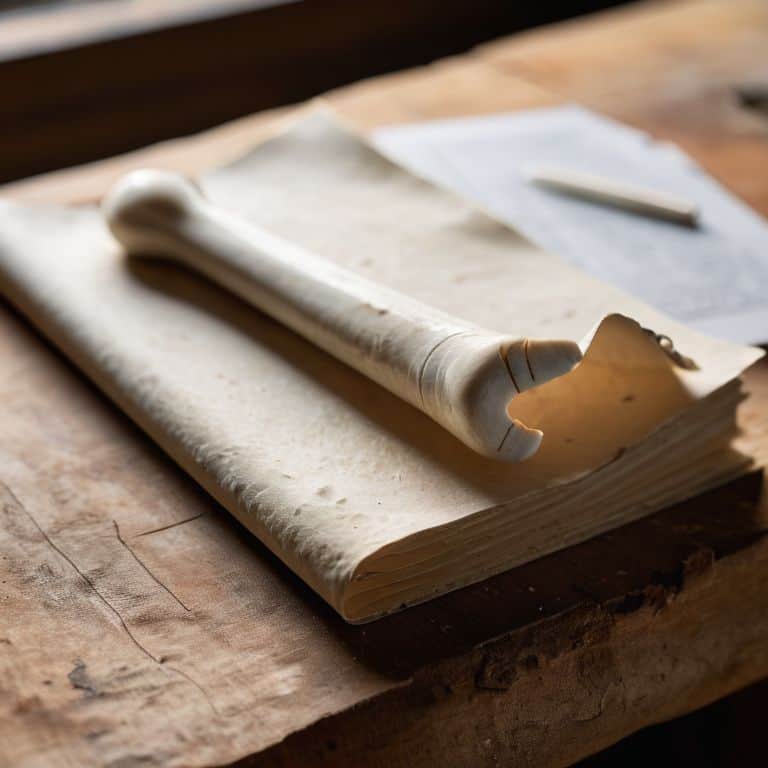
I still remember the first time I stumbled upon a bone folder in a dusty old bookstore. It was tucked away in a corner, surrounded by stacks of vintage papers and leather-bound tomes. The shopkeeper, a kind old man with a passion for bookbinding, told me that this simple tool was the key to creating exquisite, handmade books. As I held the bone folder in my hands, I felt a sense of wonder and curiosity – what is a bone folder and how to use it to bring my own creations to life?
As I delved deeper into the world of bookbinding and paper crafting, I realized that the bone folder was more than just a tool – it was an extension of my own hands and imagination. In this article, I’ll share with you the practical wisdom I’ve gained from years of working with bone folders, and guide you through the process of mastering this essential technique. You’ll learn what is a bone folder and how to use it to add a personal touch to your handmade books, art pieces, and other creative projects. By the end of this journey, you’ll be equipped with the knowledge and confidence to unfold your own stories and bring your unique vision to life.
Table of Contents
Guide Overview: What You'll Need
Total Time: 30 minutes to 1 hour
Estimated Cost: $5 – $15
Difficulty Level: Easy
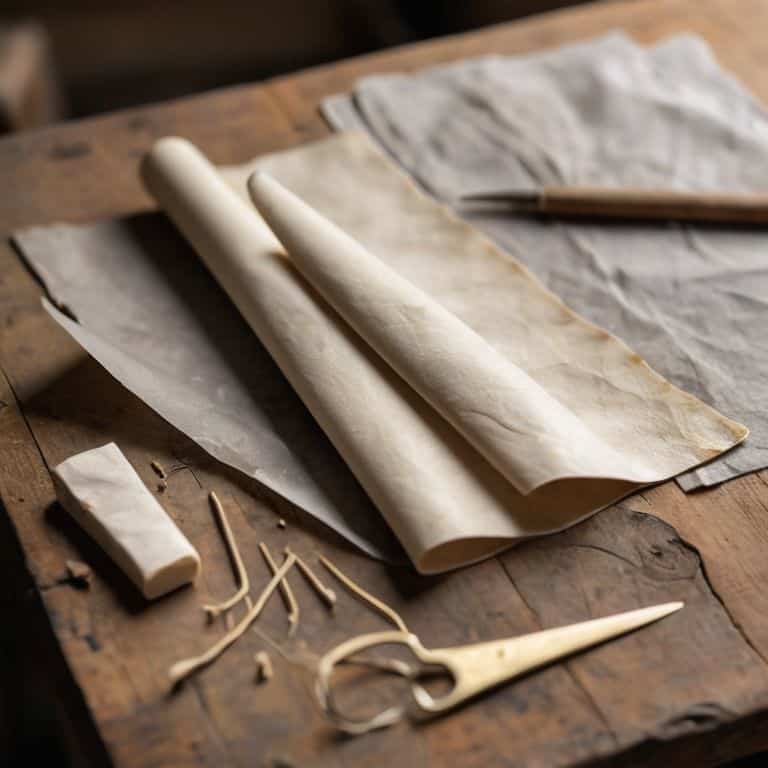
Tools Required
- Bone Folder a blunt, flat tool made of bone, plastic, or metal
- Ruler or Straightedge for guiding the bone folder
- Pencil or Marker for marking folds or creases
Supplies & Materials
- Paper or Cardstock for practicing folds and creases
- Scrapbooking or Crafting Materials optional, for applying bone folder techniques
Step-by-Step Instructions
- 1. To begin, let’s start with the basics: a bone folder is a simple, yet versatile tool used in various crafting projects, including bookbinding, paper crafting, and even leatherworking. It’s typically made from a thin, sturdy material like bone, steel, or plastic, and is used to crease, fold, and shape materials with precision and care. I always keep mine within arm’s reach, as it’s an essential part of my creative process.
- 2. Next, choose the right bone folder for your project. You’ll find that different materials and sizes are better suited for specific tasks. For example, a bone folder made from actual bone is ideal for delicate work, while a steel one might be better for heavier materials. I prefer to use a bone folder with a smooth, rounded edge for most of my bookbinding projects, as it helps to create a crisp, clean fold.
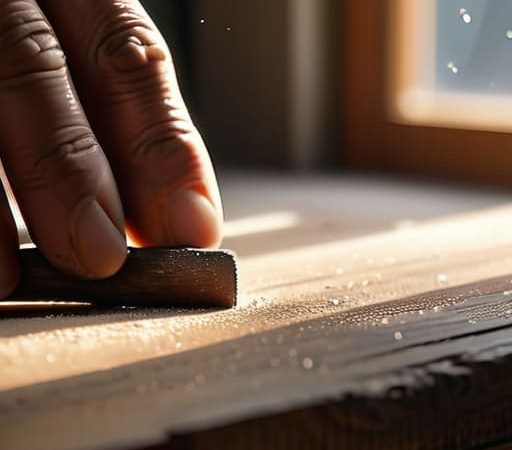
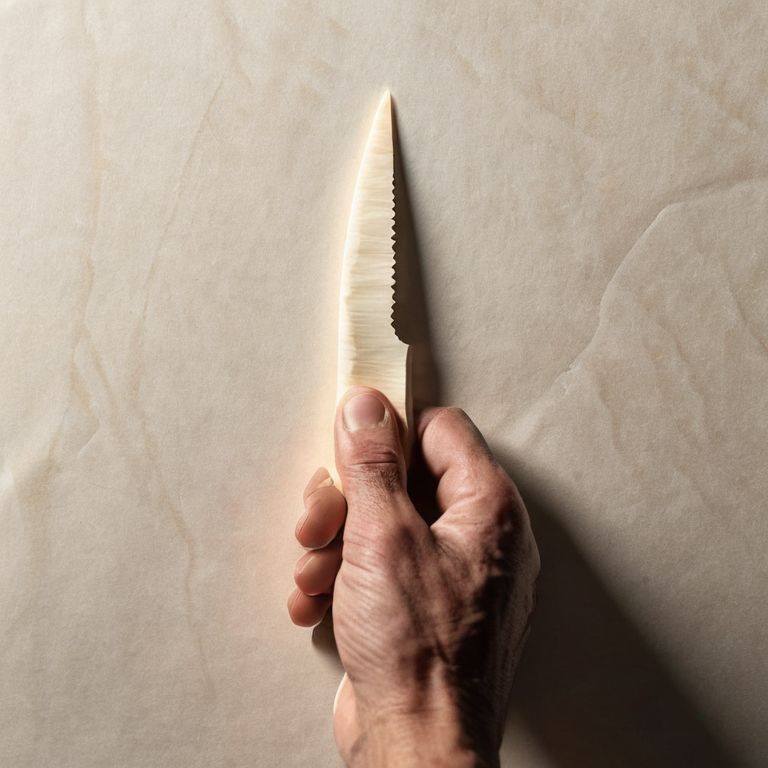
- 3. Now, let’s talk about how to hold the bone folder. It might seem like a trivial matter, but trust me, it makes all the difference. Hold the bone folder between your thumb and index finger, with your middle finger supporting the base. This neutral grip allows for maximum control and flexibility, enabling you to apply just the right amount of pressure to your material.
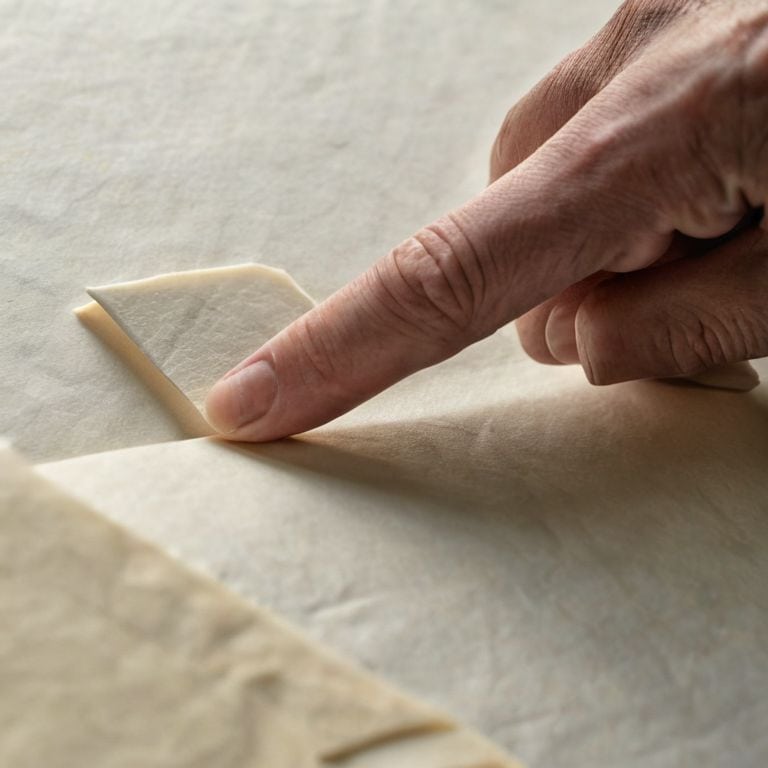
- 4. With your bone folder in hand, it’s time to start creating. Begin by placing your material on a flat surface, and position the bone folder at the desired fold line. Gently apply pressure, using a smooth, gliding motion to create a crisp crease. Don’t press too hard, as this can cause the material to tear or become misshapen.
- 5. To create a sharp, defined fold, try using the bone folder in conjunction with a ruler or straightedge. This will help you achieve a precise, 90-degree angle, and prevent the material from slipping or buckling. Simply place the ruler along the desired fold line, and use the bone folder to create a crisp crease along the edge.
- 6. For more complex folds, such as those required in bookbinding or origami, you may need to use the bone folder in combination with other tools, like a scoring tool or a craft knife. Experiment with different techniques and tools to find what works best for your project, and don’t be afraid to try new things – it’s all part of the creative process.
- 7. Finally, remember to always handle your materials with care, as they can be delicate and prone to damage. Use the bone folder to gently coax and shape your materials, rather than forcing them into place. With a little patience and practice, you’ll be creating beautiful, handmade objects that reflect your unique style and creativity.
Unfolding Stories
As I delve deeper into the world of bookbinding and paper crafting, I’ve come to realize that mastering bone folder techniques is an art form in itself. It’s not just about creating a crisp fold, but about understanding the nuances of the material you’re working with. For instance, when using a bone folder for paper crafting, it’s essential to consider the grain and texture of the paper to achieve the desired result. This attention to detail is what sets handmade objects apart from mass-produced ones.
When it comes to choosing the right bone folder, there are a few factors to consider. The size and shape of the tool can greatly impact the outcome of your project. I’ve found that having a variety of bone folders in different sizes and materials can be incredibly helpful. From creasing tools for origami to bone folders specifically designed for bookbinding, each one has its unique characteristics. Tips for choosing the right bone folder include considering the type of project you’re working on and the level of precision you need.
In my experience, bone folder maintenance and care is often overlooked, but it’s crucial to ensuring the longevity of your tool. Regularly cleaning and storing your bone folder in a dry place can make all the difference. By taking the time to properly care for your bone folder, you’ll be able to enjoy its smooth gliding action for years to come, and it will continue to be a trusted companion in your creative journey.
Bone Folder Techniques for Bookbinding and Paper Crafting
As I delve into the world of bookbinding and paper crafting, my bone folder becomes an extension of my hands. I use it to create crisp folds, score lines, and even shape delicate pages. One of my favorite techniques is to use the bone folder to add a subtle texture to the paper, giving it a unique character. By applying gentle pressure, I can create a sense of depth and visual interest that elevates the entire piece.
With practice, you’ll discover the bone folder’s versatility in various bookbinding and paper crafting projects. Experiment with different pressures and motions to achieve distinct effects, from sharp creases to soft, rounded folds. This simple tool will help you breathe life into your creations, making each one a testament to the beauty of handmade craftsmanship.
What Is a Bone Folder and How to Use It
As I hold my bone folder, I’m reminded of the countless stories it’s helped me tell through my handmade books and art pieces. This simple tool, typically made from bone, plastic, or metal, is used to crease, fold, and shape various materials like paper, leather, and fabric. Its gentle touch allows me to add a personal, human element to each creation. With a bone folder, I can precision-craft every detail, from the subtle curves of a book’s spine to the delicate folds of a handmade card.
In my workshop, the bone folder is an extension of my own hands, a trusted companion that helps me coax beauty from raw materials. Whether I’m binding a new book or crafting a custom leather wallet, this humble tool is always by my side, waiting to help me unfold the next story.
Embracing the Art: 5 Essential Tips for Working with a Bone Folder
- My favorite tip is to always handle your bone folder with care, as the delicate edge can be easily damaged, which will affect the quality of your folds
- I’ve found that the best way to get a sharp crease is to use a bone folder in combination with a ruler or other straightedge, applying gentle yet firm pressure
- Experimenting with different materials, such as paper, leather, and fabric, will help you understand the unique characteristics of each and how your bone folder can be used to enhance their natural beauty
- To achieve a professional finish, it’s crucial to practice using your bone folder on scrap material before working on your final project, allowing you to develop a feel for the tool and the material
- Remember, the bone folder is not just a tool, but an extension of your creativity – don’t be afraid to try new techniques and make mistakes, as they often lead to unexpected and exciting results
Key Takeaways for Mastering the Bone Folder
Embracing the bone folder as an essential tool in your crafting arsenal can elevate your bookbinding and paper crafting projects, allowing you to add unique, personal touches that make each piece truly special
By mastering basic bone folder techniques, such as scoring, folding, and creasing, you can unlock a world of creative possibilities, from handmade books to intricate paper designs
Remember, the beauty of working with a bone folder lies not just in the precision it offers, but in the story it helps you tell through each carefully crafted fold and crease, making every project a reflection of your personal journey and creativity
The Gentle Art of Shaping
A bone folder is not just a tool, but a storyteller’s companion – it helps me coax the hidden narratives out of raw materials, and breathe life into the pages of my handmade books.
Finn Rivera
Embracing the Art of Creation
As we’ve explored the world of bone folders and their applications, it’s clear that this simple tool can elevate our craft in profound ways. From the precise folds in bookbinding to the delicate touches in paper crafting, the bone folder is an extension of our creative hands. By mastering its use, we not only improve the quality of our work but also develop a deeper connection with the materials we shape. This journey is about more than just technique; it’s about embracing the process and finding joy in the making.
As you close this guide and perhaps reach for your own bone folder, remember that the true magic lies not in the tool itself, but in the stories you unfold with it. Every crease, every fold, and every mark tells a tale of your hands, your thoughts, and your passion. So, let the bone folder be your companion in this creative journey, and together, may you craft not just objects, but testaments to the human spirit.
Frequently Asked Questions
What are the different types of bone folders available and which one is best for a beginner?
As a beginner, you’ll find that most bone folders are made from genuine bone, plastic, or Teflon. I recommend starting with a genuine bone folder – its gentle give and smooth edge make it perfect for creasing paper and leather. Plus, it develops a beautiful patina over time, telling its own story.
Can a bone folder be used for other crafts beyond bookbinding and paper crafting?
Absolutely, the bone folder’s versatility extends far beyond bookbinding and paper crafting. I’ve used it to shape and smooth leather, ceramics, and even wood, adding a touch of precision and character to my handmade pieces. Its gentle, deliberate motion can awaken unique textures and patterns in various materials, making it a treasured tool in my workshop.
How do I properly care for and maintain my bone folder to ensure it remains effective over time?
To keep my bone folder in top shape, I simply wipe it clean with a soft cloth after each use and store it in a dry place. Occasionally, I’ll rub it with a tiny bit of beeswax to keep the bone moisturized and prevent cracking. This way, it remains my trusted companion in the workshop, always ready to help me craft something new.