A Guide to Creative Journaling to Nurture Your Ideas
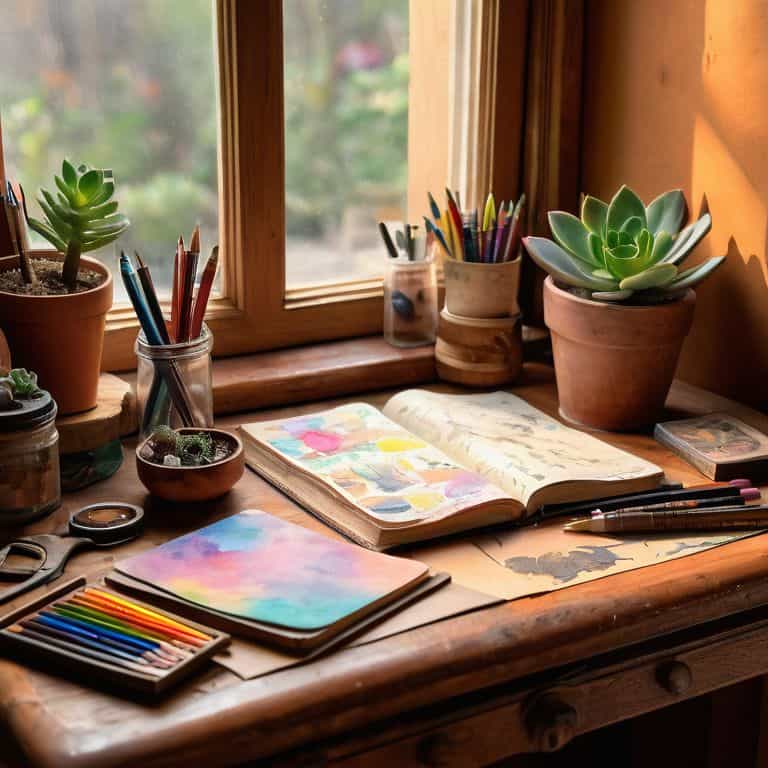
I still remember the day I stumbled upon a guide to creative journaling in a small, quirky bookstore. The cover promised a journey of self-discovery and artistic expression, but as I flipped through the pages, I felt a wave of frustration wash over me. The guidelines seemed rigid, the prompts formulaic, and the overall tone, well, let’s just say it lacked a certain je ne sais quoi. It was then that I realized the problem with most creative journaling guides: they try to fit your unique voice into a predetermined mold. As someone who’s been around the block a few times, I can tell you that embracing the mess is where the real magic happens.
In this article, I’ll share my personal approach to creative journaling, one that’s rooted in intentional creativity and a willingness to take risks. You won’t find any fluff or generic prompts here; instead, I’ll walk you through my favorite techniques for tapping into your inner source of inspiration, from morning pages to visual journaling. My goal is to empower you with the tools and confidence to make creative journaling a sustainable part of your daily routine, rather than just another fleeting hobby. So, if you’re ready to ditch the rules and uncover your authentic voice, let’s dive in and explore the world of creative journaling together.
Table of Contents
- Guide Overview: What You'll Need
- Step-by-Step Instructions
- A Guide to Creative Journaling
- 5 Essential Tips to Unlock the Full Potential of Creative Journaling
- Key Takeaways for a Thriving Creative Journaling Practice
- Embracing the Chaos
- Embracing the Journey of Creative Journaling
- Frequently Asked Questions
Guide Overview: What You'll Need

Total Time: 1 hour 15 minutes
Estimated Cost: $15 – $30
Difficulty Level: Easy
Tools Required
- Pencil (sharp)
- Eraser (kneaded rubber)
- Scissors (sharp)
- Glue Stick (acid-free)
- Ruler (12 inches long)
Supplies & Materials
- Journal (blank, 8 inches by 10 inches)
- Markers (assorted colors)
- Colored Pencils (set of 12)
- Stickers (optional)
- Photographs (personal, for inclusion in journal)
Step-by-Step Instructions
- 1. First, let’s start with setting up your journal – this is where the magic happens, and I’m excited to share my favorite tips with you. Begin by choosing a journal that feels right to you, whether it’s a sleek leather-bound book or a colorful dotted notebook. I personally love using a bullet journal because it allows me to customize the layout and make it my own.
- 2. Next, gather your favorite writing tools – this could be a trusty pen, a set of vibrant markers, or even a fancy fountain pen. I’m a big fan of color-coding my journal entries, so I use a variety of colored pens to differentiate between tasks, ideas, and inspiration. Don’t be afraid to experiment and find what works best for you.
- 3. Now it’s time to start journaling – but before you begin, take a few moments to clear your mind. Sit comfortably, take a few deep breaths, and let go of any distractions. I like to practice a quick morning meditation to get my creative juices flowing. Simply focus on your breath, and let your thoughts wander without judgment.
- 4. Start by writing down your thoughts, feelings, and observations – don’t worry too much about grammar, spelling, or perfection. This is your safe space to express yourself freely, without fear of criticism or judgment. I like to begin with a simple stream-of-consciousness writing exercise, where I write whatever comes to mind without stopping or editing.
- 5. As you continue journaling, start to experiment with different formats and styles – try your hand at doodling, collage, or even poetry. Remember, this is your journal, and there are no rules – only possibilities. I love incorporating inspirational quotes and images into my journal to keep me motivated and inspired.
- 6. One of my favorite techniques is to use prompts to spark creativity and get my ideas flowing. Try using questions like “What am I grateful for today?” or “What’s been on my mind lately?” to get started. You can also use visual prompts like images, colors, or textures to inspire your writing and art.
- 7. Finally, make journaling a consistent habit by incorporating it into your daily routine. Try to set aside a specific time each day to journal, whether it’s first thing in the morning, during your lunch break, or before bed. I like to use a journaling schedule to stay on track and ensure that I’m making time for this important self-care practice.
A Guide to Creative Journaling
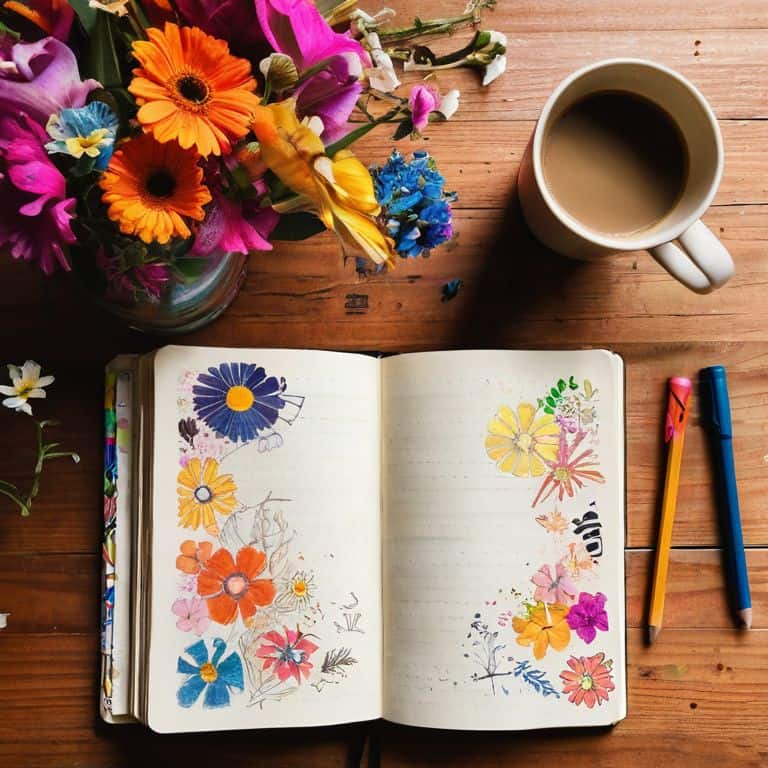
As I delve deeper into my journaling practice, I’ve found that journaling for mental health is a crucial aspect of my self-care routine. It allows me to process my emotions and gain clarity on my thoughts. I’ve also discovered the joy of decorating journal pages with colorful pens, stickers, and washi tape, making the experience even more enjoyable and personal. This creative expression helps me tap into my imagination and explore new ideas.
In addition to the traditional pen-and-paper approach, I’ve also explored digital journaling tools to mix things up and stay organized. These tools offer a range of features, from customizable templates to reminders and password protection. However, I still prefer the tactile experience of writing in my physical journal, as it allows me to disconnect from screens and focus on my thoughts.
To take my journaling practice to the next level, I’ve started using creative journal prompts to spark new ideas and inspiration. These prompts can be as simple as writing about a childhood memory or as complex as exploring a personal goal or challenge. By incorporating these prompts into my routine, I’ve found that journaling has become a powerful tool for journaling as a mindfulness practice, helping me stay present and focused on my goals.
Decorating Pages With Mindful Intent
As I delve into decorating my journal pages, I’m reminded that it’s not just about aesthetics, but about infusing each spread with mindful intent. I love to incorporate colors, patterns, and textures that reflect my mood or the theme of my entry. A sprinkle of washi tape, a dash of watercolor, or a neatly placed sticker can transform a page from bland to grand. It’s amazing how these small touches can elevate my journaling experience, making it a truly immersive and expressive outlet.
For me, decorating pages is an act of self-care, a way to slow down and savor the moment. I might spend hours crafting the perfect layout or experimenting with new techniques, and that’s perfectly okay. It’s all about embracing the process, not just the end result. By doing so, I’ve found that my journal has become a reflection of my inner world – a vibrant, ever-evolving tapestry of thoughts, feelings, and inspiration.
Journaling for Mental Health Freedom
For me, journaling has been a powerful tool for mental health freedom. It’s a space where I can process my emotions, release stress, and gain clarity on my thoughts. Through messy, beautiful journaling, I’ve learned to listen to my inner voice and trust my instincts. By putting pen to paper, I’m able to untangle my thoughts and find peace in the chaos.
I’ve found that journaling helps me stay grounded and focused, even on the most overwhelming days. It’s a reminder that my thoughts and emotions are valid, and that I have the power to shape my own narrative. By embracing the imperfections of journaling, I’ve discovered a sense of freedom and creativity that I never thought possible.
5 Essential Tips to Unlock the Full Potential of Creative Journaling
- Set aside a sacred space for journaling, free from distractions, where you can let your thoughts flow without judgment
- Experiment with different mediums, from paint to markers, to discover the visual language that speaks to your soul
- Make journaling a ritual by incorporating it into your daily routine, whether it’s first thing in the morning or before bed
- Don’t worry about perfection – embracing the messy, imperfect nature of journaling is where the true magic happens
- Combine journaling with other creative practices, like yoga or visiting museums, to cultivate a holistic approach to inspiration and self-expression
Key Takeaways for a Thriving Creative Journaling Practice
Embracing the beauty of messy, unscripted journaling can be a powerful catalyst for self-expression and personal growth, allowing you to tap into your creativity and inner world
By incorporating mindful intent into your journaling practice, such as through deliberate decoration and thoughtful reflection, you can transform your journal into a sacred space for introspection and inspiration
Remember, the true magic of creative journaling lies not in the rules or expectations, but in the freedom to explore, express, and evolve – so don’t be afraid to experiment, take risks, and make this practice your own
Embracing the Chaos
Journaling isn’t about filling pages with perfect prose, it’s about embracing the messy, beautiful journey of self-discovery, one imperfect sentence at a time.
Audrey Bell
Embracing the Journey of Creative Journaling
As we’ve explored throughout this guide to creative journaling, the journey is just as important as the destination. We’ve discussed the freedom that comes with journaling for mental health, and the ways in which decorating pages with mindful intent can cultivate a sense of presence. Whether you’re using journaling as a tool for self-expression, a means of processing emotions, or simply as a way to slow down and appreciate the beauty in everyday life, the key is to approach it with an open heart and mind. By embracing the messy, beautiful process of creative journaling, you’ll find that it becomes a sanctuary for your thoughts, feelings, and imagination.
As you close this guide and embark on your own creative journaling journey, remember that the most important thing is to make it your own. Don’t be afraid to experiment, take risks, and try new things – it’s often the unexpected moments that lead to the greatest breakthroughs. So, take a deep breath, grab your journal, and let the words, images, and emotions flow. As you fill the pages with your unique voice and vision, you’ll discover that creative journaling is not just a practice, but a way of life – one that will inspire, nurture, and transform you in profound and lasting ways.
Frequently Asked Questions
How do I get started with creative journaling if I'm not artistic or have never journaled before?
Don’t worry if you’re not artistic – creative journaling is about expression, not perfection. Start by grabbing a notebook and pen, and simply begin writing or doodling whatever comes to mind. You can also try prompts or exercises to get you started, like freewriting or drawing inspiration from nature.
What are some tips for maintaining a consistent journaling practice and avoiding burnout?
To maintain a consistent journaling practice, I prioritize flexibility and self-care. I set realistic goals, like journaling 3 times a week, and allow myself rest days. I also mix up my format to avoid boredom, switching between bullet journaling, morning pages, and free-writing. This balance helps me stay engaged and avoid burnout, keeping my journaling practice a nourishing habit.
Can creative journaling really help with anxiety and stress, and are there any specific techniques that are most effective?
Honestly, journaling has been a game-changer for my anxiety and stress. Techniques like morning pages, stream-of-consciousness writing, and prompts focused on gratitude or self-care have helped me process emotions and clear my mind. By committing to a regular practice, I’ve found more calm and clarity in my daily life.