A Strategic Guide on How to Build a Creative Career

I still remember the day I decided to ditch the cubicle and pursue a career in creative writing. It was a daunting task, and everyone around me seemed to have an opinion on how to build a creative career. But as I navigated the ups and downs of freelance writing, I realized that most of the advice out there was either outdated or unrealistic. The myth that creative types have to struggle to make ends meet is still prevalent, but I’m here to tell you that it’s not entirely true. With the right mindset and strategies, you can build a thriving creative career that brings you both financial stability and personal fulfillment.
As someone who’s been in the trenches, I want to share my honest, no-hype advice on how to build a creative career that actually works. In this article, I’ll walk you through the practical steps I took to turn my passion into a sustainable career. From setting clear goals to creating a schedule that balances work and rest, I’ll give you the tools you need to succeed in the creative industry. My goal is to help you build a career that’s not just creatively fulfilling, but also financially stable and personally rewarding. So, if you’re ready to take the leap and turn your creative passion into a career, let’s get started!
Table of Contents
Guide Overview: What You'll Need
Total Time: several months to several years
Estimated Cost: $0 – $10,000
Difficulty Level: Hard
Tools Required
- Computer (with internet connection)
- Portfolio Website Builder (e.g., Wix, Squarespace)
- Social Media Accounts (e.g., LinkedIn, Instagram, Twitter)
- Time Management Software (e.g., Trello, Asana)
Supplies & Materials
- Business Cards (custom designed)
- Professional Networking Attire (for conferences and meetings)
- Online Courses or Workshops (for skill development)
- Marketing Materials (e.g., brochures, flyers)
Step-by-Step Instructions
- 1. First, define your why: understand the core reasons behind your desire to build a creative career. This could be a passion for writing, a love for designing, or a need to express yourself through art. For me, it was about finding a way to _merge my creativity with my practical skills_ to create a fulfilling career. Take some time to reflect on what drives you, and write it down in your journal or a note-taking app.
- 2. Next, _identify your strengths and weaknesses_ as a creative professional. Be honest with yourself about what you’re naturally good at and what areas you need to work on. I, for instance, knew I was a strong writer, but I needed to improve my visual design skills to complement my writing. Make a list of your strengths and weaknesses, and then create a plan to address the gaps in your skills.
- 3. Develop a _consistent daily routine_ that includes time for creative work, self-care, and learning. As someone who practices yoga and journaling, I can attest to the importance of starting your day with intention. Set aside a specific time each day to work on your creative projects, and stick to it as much as possible. This will help you build momentum and make progress on your goals.
- 4. Build a _supportive community_ of fellow creatives who understand the challenges and triumphs of building a creative career. This could be through online forums, social media groups, or local meetups. I’ve found that _connecting with like-minded individuals_ has been instrumental in my growth as a writer and consultant. Look for communities that align with your interests and values, and participate regularly to build meaningful relationships.
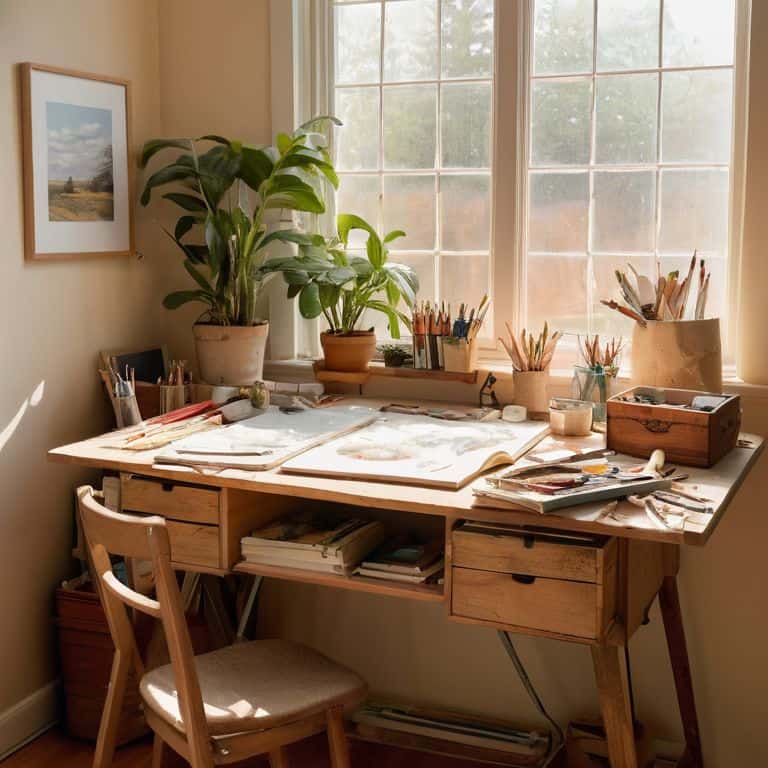
- 5. Learn to _manage your time effectively_ by using tools like calendars, to-do lists, and project management software. As a freelancer, I’ve had to develop systems to stay organized and focused on my work. Experiment with different tools and techniques until you find what works best for you, and then stick to it. Remember, a well-organized desk is a well-organized mind, so take the time to set up your workspace and systems in a way that supports your productivity.
- 6. Develop a _growth mindset_ by embracing challenges and viewing failures as opportunities for growth. As a creative, you’ll inevitably face setbacks and rejections, but it’s how you respond to them that matters. I’ve learned to reframe my failures as lessons and use them to improve my work and approach. Cultivate a mindset that is open to learning, experimentation, and iteration, and you’ll be better equipped to navigate the ups and downs of a creative career.
- 7. Finally, _create a sustainable business model_ that supports your creative work and allows you to earn a living from your passion. This might involve freelancing, teaching, or selling products or services related to your creative field. I’ve found that diversifying my income streams has been key to building a stable and fulfilling career as a writer and consultant. Take the time to research and explore different business models, and then develop a plan that aligns with your values and goals.
Building My Creative Career

As I reflect on my journey, I realize that building a personal brand was crucial to my success. It wasn’t just about creating a website or social media profiles, but about consistently showcasing my unique voice and style. I made sure to update my online portfolio regularly, highlighting my best work and the stories behind each project. This helped me stand out in the competitive creative industry and attract like-minded clients.
Effective networking was another key factor in my growth. I didn’t just attend events and collect business cards; I focused on building meaningful relationships with people who shared my passions. I volunteered for projects that aligned with my values, which led to valuable connections and opportunities. By being intentional about my networking efforts, I was able to manage a side hustle while still working full-time, eventually transitioning to a fulfilling freelance career.
Through my experiences, I’ve learned the importance of setting clear boundaries and prioritizing self-care. As a freelancer, it’s easy to get sucked into the freelance contract negotiation game, but I’ve found that being prepared and confident in my worth is essential. By taking care of myself and my business, I’ve been able to maintain a healthy work-life balance and continue to thrive in the creative industry.
Ditching Cubicles for Online Portfolios
As I transitioned into freelance writing, I realized the importance of having a professional online presence. I ditched the traditional resume and focused on building a stunning online portfolio that showcased my writing style and creativity. This shift allowed me to stand out in a crowded market and attract clients who appreciated my unique voice. By curating a selection of my best work, I was able to demonstrate my expertise and build trust with potential clients.
My online portfolio has been a game-changer for my business, allowing me to work with clients from all over the world and pursue projects that truly excite me. I’ve learned to regularly update it with fresh content, ensuring that it remains a vibrant reflection of my growth as a writer and creative consultant. This intentional approach to my online presence has been instrumental in helping me build a career that’s authentic and fulfilling.
Negotiating Freelance Contracts Like Boss
Negotiating freelance contracts can be daunting, but I’ve learned to approach them with confidence. For me, it’s about understanding my worth and the value I bring to a project. I make sure to clearly outline my services, deadlines, and payment terms to avoid any misunderstandings. I’ve also developed a template that I use as a starting point for all my contracts, which helps me stay organized and ensures I don’t miss any crucial details. By being prepared and professional, I’ve been able to negotiate fair rates and build strong relationships with my clients.
5 Essential Tips to Thrive in Your Creative Career
- Set clear boundaries between your creative work and personal life to maintain a healthy work-life balance
- Develop a consistent daily routine that includes time for self-care, inspiration, and focused work
- Create a vision board or journal to clarify your goals and values, and regularly review it to stay on track
- Build a supportive community of fellow creatives, whether online or in-person, to share knowledge, resources, and encouragement
- Cultivate a growth mindset by embracing challenges, learning from failures, and continuously seeking out new skills and experiences
Key Takeaways for a Thriving Creative Career
I’ve learned that ditching the traditional cubicle mindset and embracing online portfolios and freelance work can be incredibly liberating, but it requires intentional planning and a willingness to take calculated risks
Building a sustainable creative career is not just about producing great work, but also about developing systems for managing your time, energy, and finances in a way that supports your artistic vision and personal well-being
By prioritizing intentional rest, creative sprints, and a well-organized approach to your work and life, you can cultivate a career that is not only successful, but also fulfilling and aligned with your values and passions
Embracing the Creative Journey
A creative career isn’t built by chasing validation, but by cultivating a life that consistently nourishes your soul and sparks your imagination.
Audrey Bell
Embracing Your Creative Path

As we’ve journeyed through the process of building a creative career, it’s essential to remember that sustainability and intentional living are key. From ditching cubicles for online portfolios to negotiating freelance contracts like a boss, each step is a testament to the power of taking control of your professional life. By implementing these strategies and staying true to your artistic vision, you’ll be well on your way to crafting a career that not only nourishes your creative soul but also supports your overall well-being.
As you embark on this creative path, remember that it’s okay to take your time and trust the process. Your unique voice and perspective are the most valuable assets you bring to the table, and cultivating them takes patience, dedication, and a willingness to learn and grow. So, take a deep breath, stay focused, and keep creating – the world needs more of your authentic, innovative spirit.
Frequently Asked Questions
How do I balance the need for creative freedom with the financial stability required to pursue a career in the arts?
For me, it’s about striking a balance between creative sprints and intentional rest. I prioritize my most inspired work for mornings, and dedicate afternoons to client projects that pay the bills. By color-coding my schedule and setting realistic boundaries, I’ve managed to maintain financial stability while nurturing my artistic freedom.
What are some effective strategies for building a professional network and finding job opportunities in creative fields?
To build a strong network, I attend industry events and join online communities like Behance and Dribbble. I also prioritize meaningful connections over collecting business cards, focusing on collaborations and mutual support. Regularly sharing my work and engaging with others’ projects has helped me find job opportunities and stay inspired.
How can I deal with criticism and rejection in a way that fosters growth and resilience in my creative career?
For me, criticism and rejection are opportunities for growth. I’ve learned to separate my self-worth from my work and focus on constructive feedback. I journal about each experience, identifying what I can improve and what I’ve done well, allowing me to refine my craft and develop a thicker skin.