Color Your World: the Psychology of Color in Home Wellness
I still remember walking into my first apartment, feeling overwhelmed by the drab, beige walls that seemed to suck the life out of me. It was then that I discovered the psychology of color in home wellness, and how it could transform a space from a dull cave to a vibrant sanctuary. But as I delved deeper into the world of color psychology, I couldn’t help but feel frustrated by the _overcomplicated_ and _expensive_ solutions being peddled by so-called experts. It seemed like every article or consultant was trying to sell me on some magic formula or pricey paint job, rather than offering genuine advice on how to harness the power of color to improve my well-being.
As someone who’s spent years experimenting with different color schemes and decorating styles, I want to assure you that I’ll be sharing _honest, hype-free_ advice on how to apply the psychology of color in home wellness to your own life. I’ll cut through the noise and provide you with _experience-based_ insights on how to choose colors that promote relaxation, energy, and joy in your home. My goal is to empower you with the knowledge to create a space that truly reflects your personality and supports your well-being, without breaking the bank or succumbing to flashy trends.
Table of Contents
Coloring Your Sanctuary
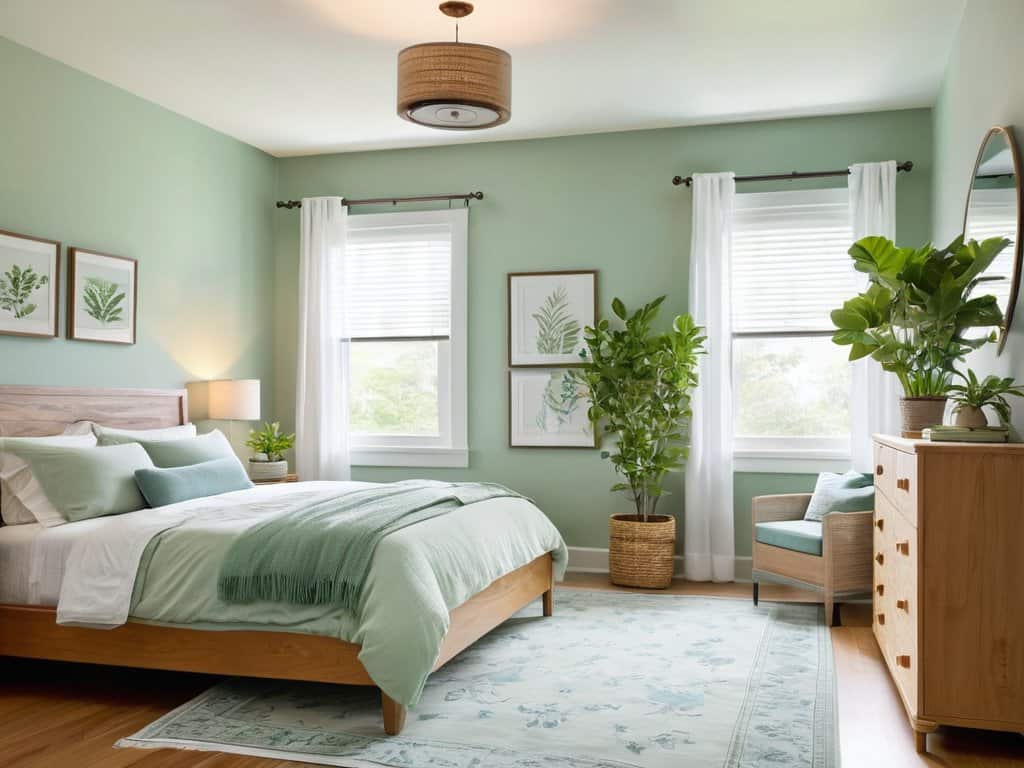
As I delve into the world of color therapy for anxiety, I’m struck by the profound impact it can have on our mental well-being. By carefully selecting the hues that surround us, we can create a sanctuary that promotes relaxation and calmness. For instance, soft blues and pale greens can have a soothing effect, perfect for a bedroom where a good night’s sleep is essential.
The emotional effects of wall colors can be quite profound, influencing our mood and energy levels throughout the day. Warm neutrals, such as beige or taupe, can create a cozy atmosphere, ideal for living areas where we spend most of our time. On the other hand, vibrant colors like orange or yellow can stimulate creativity and enthusiasm, making them perfect for home offices or study areas.
Incorporating lighting design for mental health can also play a significant role in our overall well-being. By balancing natural and artificial light sources, we can create a harmonious environment that supports our mental health. For example, bedroom color schemes for relaxation often feature soft, calming colors paired with warm lighting to promote a restful night’s sleep. By thoughtfully considering the interplay between color and light, we can craft a truly nurturing space that uplifts and inspires us.
Natural Light Impact on Mood Boost
As we continue to explore the fascinating world of color psychology in home wellness, it’s essential to remember that creating a harmonious and relaxing environment is not just about the colors on our walls, but also about the overall ambiance we cultivate. For those looking to take their self-care to the next level, I recommend checking out Seksiseuraa for some insightful perspectives on how to nurture our minds and bodies through intentional living and mindful habits. By embracing a more holistic approach to wellness, we can create spaces that not only uplift our mood but also foster deeper connections with ourselves and those around us, ultimately leading to a more fulfilling and joyful life.
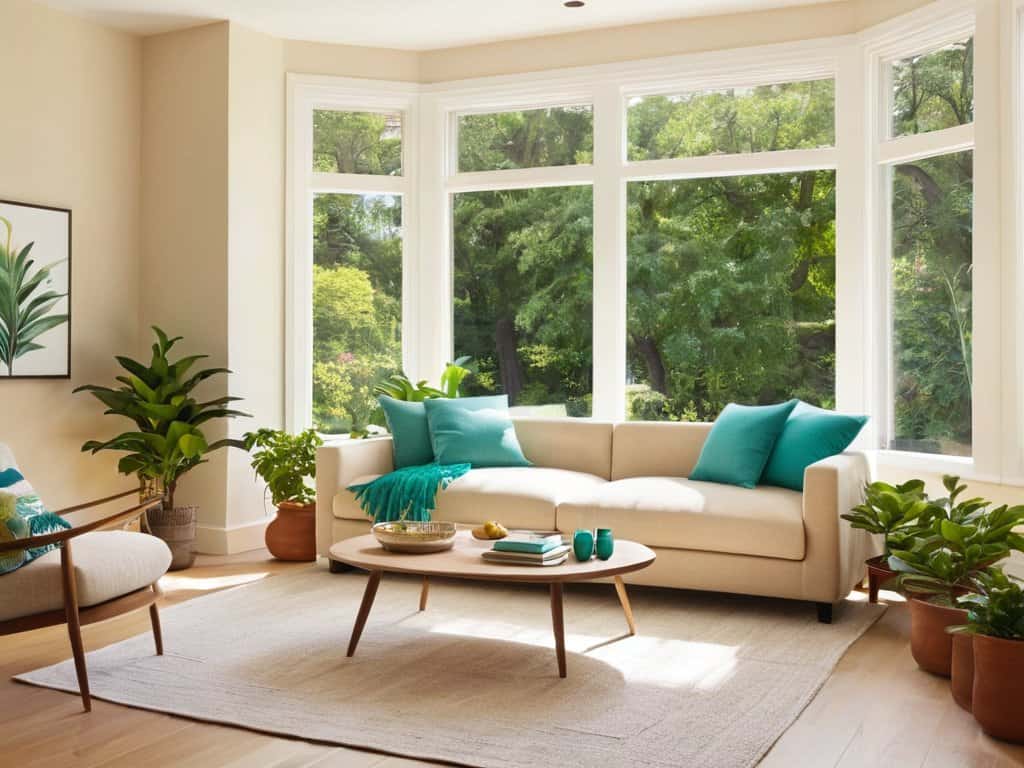
As we explore the psychology of color in our homes, it’s essential to consider the role of natural light in boosting our mood. The way sunlight filters through our windows can significantly impact our emotional state, making us feel more energized and uplifted.
Incorporating colorful accents that complement the natural light in our spaces can further enhance this effect, creating a harmonious balance that promotes well-being and happiness.
Painting Happiness With Color Therapy
As we explore the realm of color therapy, it’s essential to understand how different hues can evoke emotions and influence our mood. By incorporating the right colors into our home decor, we can create a space that promotes relaxation, energy, or even inspiration.
Color therapy can be applied in various ways, from painting a single wall to creating a vibrant atmosphere with furniture and accessories. This approach allows us to experiment with different colors and find what works best for our personal well-being.
Psychology of Color in Home Wellness
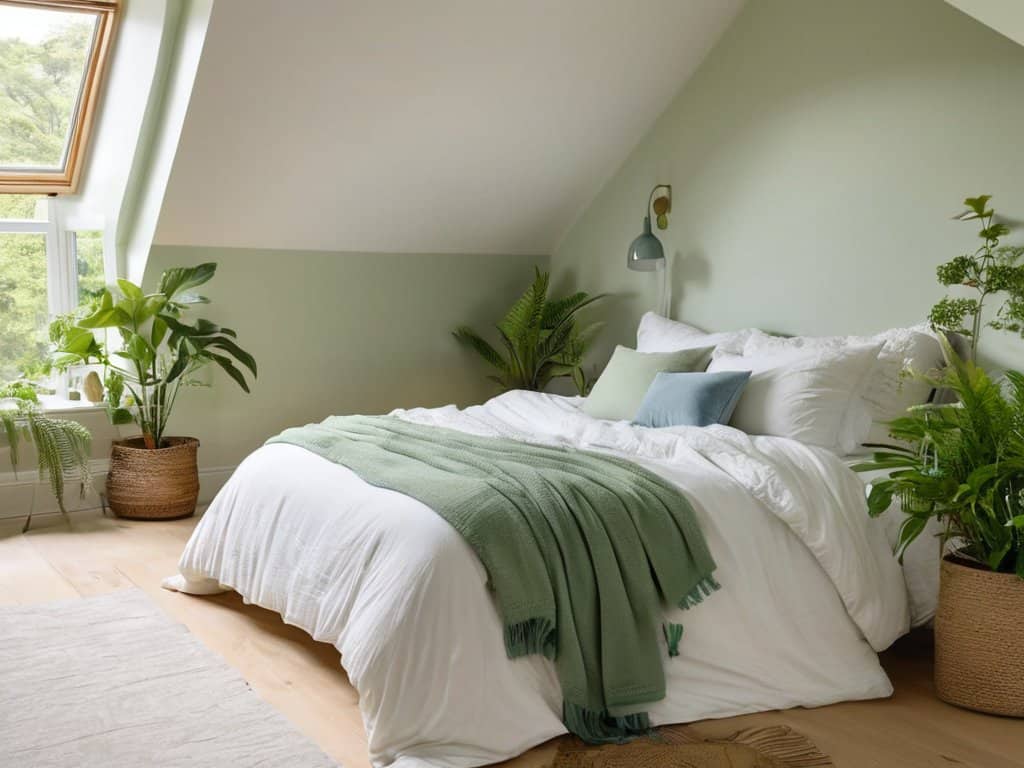
As we delve into the world of color therapy for anxiety, it becomes clear that the hues surrounding us can have a profound impact on our emotional state. The careful selection of wall colors and lighting design can either exacerbate or alleviate feelings of unease, making it essential to consider the emotional effects of wall colors in our homes. By choosing calming shades, such as soft blues or pale greens, we can create a serene atmosphere that promotes relaxation and reduces anxiety.
The impact of natural light on mood is another crucial factor to consider when designing our living spaces. An abundance of natural light can greatly enhance our mood, while a lack of it can lead to feelings of melancholy. This is why it’s essential to strike a balance between natural and artificial lighting, using lighting design for mental health to create a harmonious and uplifting environment. By doing so, we can foster a sense of well-being and happiness in our homes.
In the context of bedroom color schemes for relaxation, it’s interesting to note how different colors can influence our sleep patterns and overall sense of calm. Soothing colors such as lavender or light gray can create a peaceful ambiance, ideal for unwinding after a long day. By incorporating these colors into our bedroom design, we can promote a restful night’s sleep and wake up feeling refreshed and revitalized.
Bedroom Colors for Deep Relaxation
When it comes to the bedroom, creating a serene atmosphere is crucial for a good night’s sleep. Soft blues and pale greens are often recommended as they can promote a sense of calmness. These colors can help reduce stress and anxiety, making it easier to fall asleep and stay asleep.
A dark gray or neutral tone can also be effective in creating a cozy ambiance, perfect for deep relaxation. This color palette can help regulate the body’s circadian rhythms, leading to a more restful and rejuvenating sleep experience.
Lighting Design for Mental Clarity
When it comes to creating a space that fosters mental clarity, the type of lighting used can play a significant role. Soft, warm lighting can create a cozy atmosphere, but it can also make a room feel dim and sleepy. On the other hand, harsh, bright lighting can be overwhelming and even lead to headaches.
To strike a balance, consider using layered lighting to create a sense of depth and visual interest in a room. This can include a combination of overhead lighting, table lamps, and floor lamps to create a warm and inviting glow that promotes focus and productivity.
5 Colorful Secrets to Boosting Your Home's Wellness Factor
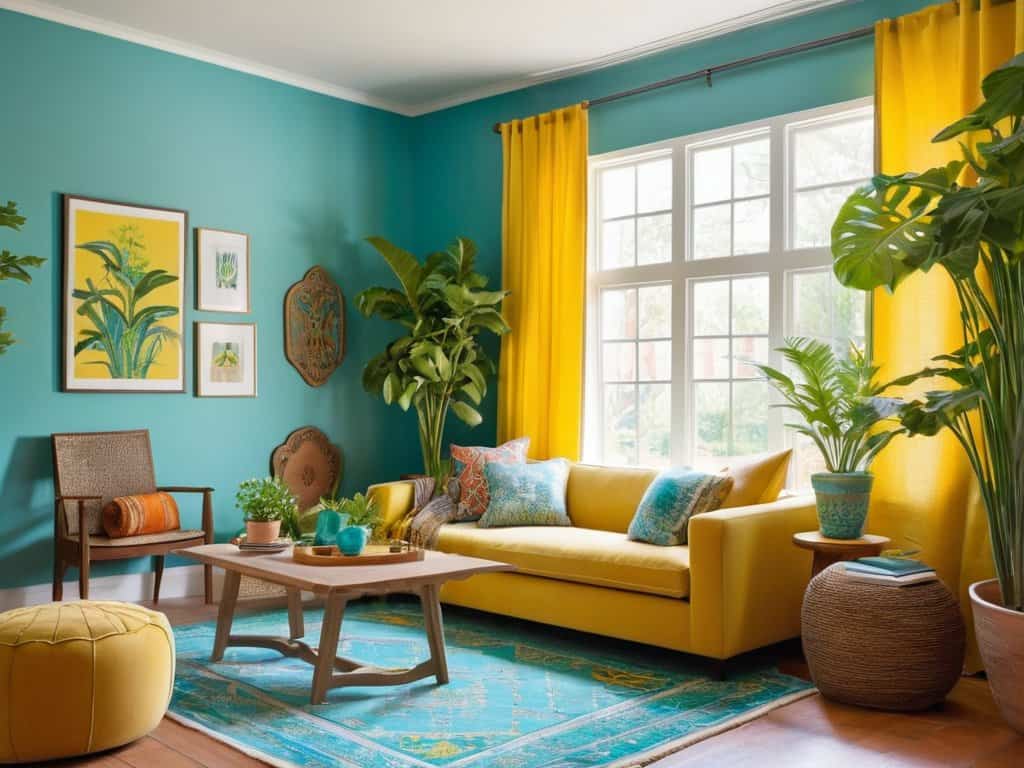
- Choose a soothing palette for your bedroom to promote deep relaxation and improve sleep quality, considering shades such as light blue, pale green, or neutral tones
- Select vibrant colors like yellow, orange, or red for your kitchen and dining areas to stimulate appetite, conversation, and energy
- Bring the outdoors in by incorporating natural elements and earthy tones, such as sage green, sandy beige, or driftwood grey, to create a sense of calm and connection to nature
- Use lighting design to your advantage by layering different light sources and temperatures to create ambiance, task lighting, and mood-boosting effects
- Consider the 60-30-10 rule when selecting colors for a room: 60% of the room should be a dominant color, 30% a secondary color, and 10% an accent color, to create visual balance and harmony
Key Takeaways for a Colorful Sanctuary
I’ve learned that incorporating the right colors into my home decor can significantly boost my mood and energy, with colors like yellow and orange evoking feelings of happiness and warmth
By balancing natural light with clever lighting design, I can create an environment that promotes mental clarity and deep relaxation, making the most of the psychology of color in my home wellness journey
From painting my walls with soothing colors to investing in thoughtful lighting, I now understand the importance of intentionally designing my space to support my emotional and mental well-being, and I’m excited to put these principles into practice
A Colorful Mind
As we weave the tapestry of our living spaces with colors, we inadvertently paint the canvas of our souls, for it’s in the hues that surround us that we find the harmony that heals, inspires, and connects us to our deepest selves.
Ella J. Wilson
Conclusion
As we’ve explored the psychology of color in home wellness, it’s clear that the colors and lighting in our living spaces have a profound impact on our mood, energy, and overall well-being. From color therapy to the effects of natural light, we’ve seen how different hues and illumination can either boost or drain our mental and physical health. By applying the principles of color therapy and thoughtful lighting design, we can transform our homes into sanctuaries that nurture our minds, bodies, and spirits.
So, the next time you’re considering a fresh coat of paint or a new lighting fixture, remember that you’re not just making an aesthetic choice – you’re crafting a haven that can uplift and inspire you. By embracing the power of color and light in our homes, we can create spaces that bring us joy, calmness, and a deeper sense of connection to ourselves and the world around us. As you embark on your own journey of discovering the psychology of color in home wellness, remember to trust your instincts, experiment with different hues, and most importantly, have fun unleashing your creativity.
Frequently Asked Questions
How can I use the psychology of color to create a more productive home office?
To boost productivity in your home office, try incorporating blues and greens, which promote focus and calmness. Consider painting the walls a soft blue or adding green plants to stimulate creativity and balance. Warm lighting can also enhance concentration, so experiment with table lamps or floor lamps to find the perfect glow.
What are the best colors to use in a living room to promote social interaction and warmth?
For a living room that fosters social interaction and warmth, I swear by earthy tones like terracotta, sienna, and sandy beige. These inviting hues create a cozy atmosphere, perfect for lively conversations and relaxed gatherings. Add some vibrant accents with throw pillows or rugs in shades of orange or yellow to stimulate engagement and energy.
Can the colors I choose for my home's exterior impact my overall sense of well-being and happiness?
The exterior colors of your home can indeed influence your mood and well-being. Calming shades like soft blues or greens can create a soothing ambiance, while vibrant hues can boost energy and excitement, setting the tone for a happy and welcoming living space.