A Guide on How to Find Your Artistic Influences
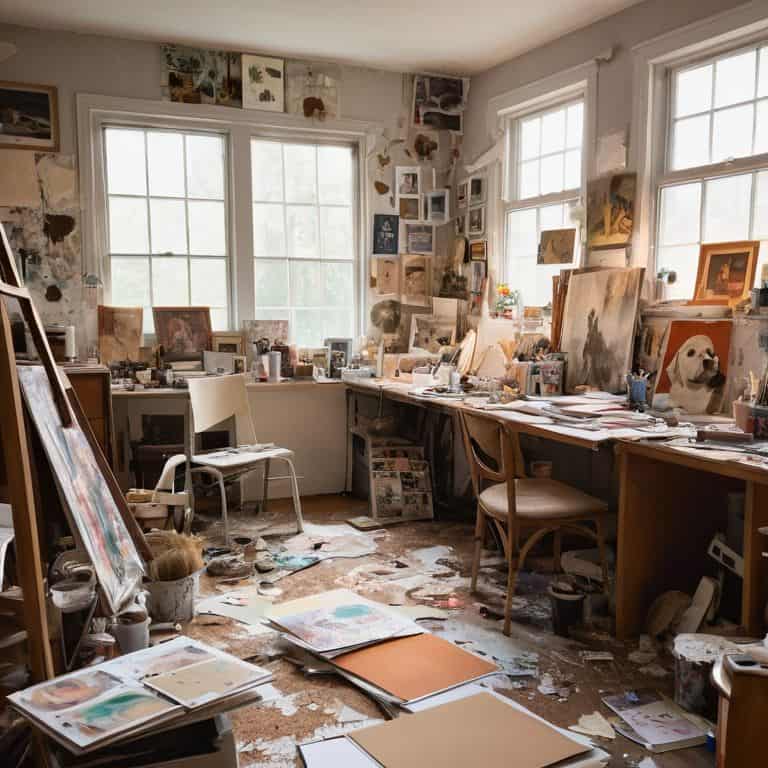
As I sit amidst the quiet chaos of my own studio, surrounded by half-finished projects and scraps of paper filled with fleeting ideas, I’m reminded that how to find your artistic influences is a question that has haunted me for years. It’s a journey that’s often shrouded in mystery, with many of us believing that inspiration will strike like a bolt of lightning, illuminating the path to creative genius. But the truth is, finding your artistic influences is a deeply personal and often meandering process, one that requires patience, curiosity, and a willingness to get a little lost.
In this article, I promise to share with you the unvarnished truth about discovering your artistic kin, the ones who will inspire and challenge you to grow. I’ll offer you practical advice on how to cultivate a sense of curiosity and wonder, how to seek out new experiences and perspectives, and how to trust your instincts when it comes to embracing your unique voice. My goal is to demystify the process of finding your artistic influences, to make it feel more accessible and less daunting. So, if you’re ready to embark on this journey with me, let’s dive in and explore the beautiful mess of discovering your artistic influences together.
Table of Contents
- Guide Overview: What You'll Need
- Step-by-Step Instructions
- Finding Artistic Influences
- Nurturing the Spark: 5 Gentle Guides to Discovering Your Artistic Influences
- Embracing the Journey: 3 Key Takeaways on Discovering Artistic Influences
- Embracing the Journey
- Embracing the Journey of Artistic Discovery
- Frequently Asked Questions
Guide Overview: What You'll Need

Total Time: 1 hour 30 minutes
Estimated Cost: $0 – $10
Difficulty Level: Easy
Tools Required
- Computer (with internet access)
- Journal (for note-taking)
Supplies & Materials
- Pencils (for writing and sketching)
- Paper (for brainstorming and listing influences)
Step-by-Step Instructions
- 1. First, let’s start by embracing the unknown and giving yourself permission to explore. Take a few hours to wander through a local art museum, gallery, or even a street art scene. Don’t worry too much about what you’re looking at, just let your eyes and heart guide you. Notice what catches your attention, what makes you feel something, and what you can’t seem to look away from.
- 2. As you wander, start to notice the common threads that run through the pieces that resonate with you. Is it a particular color palette, a style of brushwork, or a theme that keeps emerging? Begin to collect these threads in a mental or physical notebook, and start to see if you can identify any patterns or connections between them.
- 3. Next, dive into the world of books and publications that focus on art, design, and creativity. Read interviews with artists, essays on creative process, and critiques of various works. Pay attention to the language and tone used by the writers, and see if you can start to identify any recurring themes or ideas that speak to you.
- 4. Now, take some time to explore the digital realm and discover online platforms, blogs, and social media accounts that showcase artistic work. Look for communities and forums where artists share their processes, struggles, and triumphs. Join in on the conversations, ask questions, and start to build relationships with like-minded creatives.
- 5. As you continue on this journey, allow yourself to get a little lost in the world of artistic influences. Don’t be afraid to stumble upon something that doesn’t immediately make sense, or to follow a thread that leads you down a rabbit hole. It’s often in these moments of uncertainty and curiosity that we discover new and exciting things about ourselves and our creative voices.
- 6. Start to collect and curate the work of artists and creatives who inspire you. Create a Pinterest board, a vision board, or a physical collage of images and quotes that speak to your artistic soul. Look for commonalities and patterns in the work that you’re drawn to, and start to see if you can identify any emerging themes or styles that resonate with you.
- 7. Finally, give yourself permission to play and experiment with the influences you’ve discovered. Set aside time to create, without any expectations or pressure to produce something perfect. Let your intuition guide you, and see where the process takes you. Remember, the goal is not to create a masterpiece, but to tap into the creative spark that drives you, and to let that spark ignite a fire that will fuel your artistic journey.
Finding Artistic Influences
As I sit amidst the gentle chaos of my own studio, surrounded by the whispers of old letters written by artists and the soft scent of ikebana blooms, I am reminded that understanding personal taste in art is a deeply intimate and iterative process. It’s a journey that requires patience, curiosity, and a willingness to embrace the unknown. I think of the words of Georgia O’Keeffe, who once said, “Whether you succeed or not is irrelevant, there is no such thing as a failure in art.” This mindset has been a guiding force in my own creative pursuits, and one that I believe is essential for anyone seeking to develop a unique artistic style.
In my experience, researching famous artists for inspiration can be a powerful catalyst for growth, but it’s equally important to find inspiration in the everyday world around us. A walk through the city, a conversation with a stranger, or a quiet moment of observation can all be rich sources of creative spark. As I reflect on my own journey as an art curator and author, I am reminded of the importance of exploring different art movements and genres, not just to broaden one’s knowledge, but to discover the hidden connections and resonances that can inform and enrich one’s own work.
As we navigate the twists and turns of our creative journeys, it’s essential to create a vision board for artists that reflects our deepest passions and inspirations. This can be a physical board, a digital collection, or even a mental snapshot of the things that spark our imagination and fuel our creativity. By cultivating this sense of inner vision, we can begin to develop a unique artistic style that is authentic, expressive, and true to who we are as artists. And it’s here, in this space of finding inspiration in everyday life, that we can discover the beauty and wonder that awaits us, just beyond the edges of our everyday perception.
Researching Famous Artists for Inspiration
As I delve into the world of famous artists, I’m reminded of the words of Paul Klee, “The art of mastering life is working with nature, not against it.” Researching the masters can be a powerful way to tap into your own creative potential. I recall spending hours in artist studios, pouring over letters written by the likes of Van Gogh and Monet, and being struck by the similarities in their struggles and triumphs. Their stories, like the delicate balance of an ikebana arrangement, speak to the beauty of imperfection and the importance of embracing the unknown.
In the words of Georgia O’Keeffe, “Whether you succeed or not is irrelevant, there is no such thing as a failure.” These artists’ journeys, with all their twists and turns, offer a treasure trove of inspiration, reminding us that our own creative paths are unique and valid. By studying their lives, techniques, and inspirations, we can begin to uncover our own artistic kin, and spark a sense of wonder that fuels our imagination.
Uncovering Personal Taste in Art
As I wander through the studios of fellow artists, I’m reminded that uncovering personal taste in art is a deeply intimate process. It’s about embracing the quirks and nuances that make your creative voice unique. For me, it’s the happy accidents that occur when I’m arranging flowers in my ikebana practice – the way a petal falls, or a stem twists, can spark an idea. Similarly, when exploring the work of others, I encourage you to listen to your instincts, to pause in front of a piece that resonates, and ask yourself why. What is it about this artwork that speaks to you? Is it the color palette, the texture, or the emotion it evokes? By tuning into these subtle cues, you’ll begin to discern the threads that weave your personal taste together.
Nurturing the Spark: 5 Gentle Guides to Discovering Your Artistic Influences
- Let the beauty of the unknown guide you: allow yourself to wander through museums, galleries, and studios without a plan, letting the art that resonates with you be your compass
- Collect the stories of others: read letters, biographies, and interviews of artists who inspire you, and let their journeys illuminate your own path
- Embrace the serendipity of happy accidents: experiment with different mediums, techniques, and styles, for it’s often in the unexpected that we find our true voice
- Cultivate your curiosity: follow your interests, no matter how disparate they may seem, and trust that they will weave together into a rich tapestry of inspiration
- Create space for the fallow season: don’t be afraid to step back, breathe, and let your mind rest – for it’s in the stillness that the seeds of new ideas can germinate, waiting to bloom into something magnificent
Embracing the Journey: 3 Key Takeaways on Discovering Artistic Influences
As you wander through the realm of art, remember that your influences are not static entities, but rather a dynamic tapestry of experiences, emotions, and encounters that evolve over time
By embracing the unknown and surrendering to the happy accidents of the creative process, you may stumble upon unexpected sources of inspiration that resonate deeply with your artistic soul
Ultimately, the quest for artistic influences is a deeply personal and intuitive one, requiring patience, self-reflection, and a willingness to venture into the uncharted territories of your own imagination, where the seeds of innovation and growth await
Embracing the Journey
The search for artistic influences is not a destination, but a meandering path that unfolds with each step, each mistake, and each serendipitous discovery – it’s in the detours and the digressions that we often stumble upon the sparks that set our creativity ablaze.
Genevieve Croix
Embracing the Journey of Artistic Discovery
As we’ve explored the realms of uncovering personal taste in art and researching famous artists for inspiration, it’s essential to remember that finding your artistic influences is a deeply personal and iterative process. It’s about embracing the unknown and allowing yourself to be guided by your intuition, just as the great artists have done throughout history. By acknowledging the importance of happy accidents and fallow seasons, we can begin to see our creative journey as a beautiful, winding path, rather than a straightforward destination.
And so, as you continue on your own journey of artistic discovery, I encourage you to stay curious, to remain open to the possibilities that surround you, and to trust in the beauty of the process. For it’s in the midst of this journey, with all its twists and turns, that we find the true essence of creativity – a spark that ignites within us, guiding us toward our most authentic and meaningful expressions.
Frequently Asked Questions
How do I know if I'm being true to my own unique voice when drawing inspiration from other artists?
That’s a beautiful question, my friend. I think of it as a gentle dance between embracing the influences that spark your creativity and staying true to your own inner rhythm. Ask yourself, what is it about this artist’s work that resonates with me? Is it their use of color, their perspective, or something deeper?
What if I don't have a clear idea of what kind of art I like – how do I start discovering my personal taste?
Don’t worry, my friend, it’s completely normal to feel uncertain. Start by wandering through museums, galleries, or even online platforms, and let your instincts guide you. Notice what resonates, what sparks curiosity, and what leaves you feeling indifferent. Allow yourself to meander, and trust that your tastes will begin to reveal themselves, like a gentle bloom unfolding.
Can I find artistic influences outside of traditional art forms, such as music, literature, or even everyday conversations?
Absolutely, my friend. Artistic influences can be found in the rhythms of music, the prose of literature, or even the cadence of everyday conversations. I recall visiting the studio of a painter who drew inspiration from the lyrics of Leonard Cohen, or a writer who found solace in the melodies of Chopin. The world is full of hidden harmonies, waiting to be uncovered.