A Guide on What to Look for in a Laptop for Photo Editing
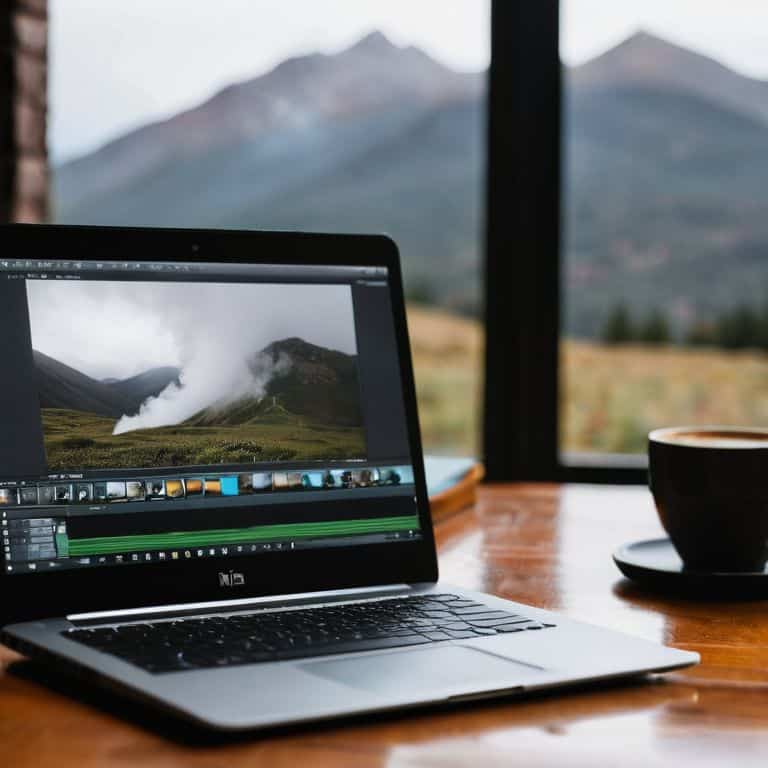
I still remember the frustration of trying to find the perfect laptop for my photo editing workflow. It was like searching for a needle in a haystack, with everyone claiming their laptop was the best, but few actually delivering. The truth is, when it comes to what to look for in a laptop for photo editing, it’s not just about the specs – it’s about finding a machine that understands your creative soul. I’ve spent years testing and reviewing laptops, and I’ve come to realize that the right one can make all the difference in your productivity and overall satisfaction.
In this article, I’ll share my honest, no-hype advice on what to look for in a laptop for photo editing. I’ll cut through the noise and give you the practical tips you need to make an informed decision. You’ll learn how to balance power and portability, and what features are essential for a seamless editing experience. Whether you’re a professional photographer or just starting out, this guide will help you find the perfect laptop to take your craft to the next level. By the end of this article, you’ll be equipped with the knowledge to make a thoughtful, informed decision, and find a laptop that truly meets your needs.
Table of Contents
Guide Overview: What You'll Need

Total Time: 1 hour 30 minutes
Estimated Cost: $800 – $2,000
Difficulty Level: Intermediate
Tools Required
- Laptop Comparison Checklist (to track features)
Supplies & Materials
- Processor with Multiple Cores for efficient multitasking
- At Least 16 Gigabytes of RAM for smoother performance
- Dedicated Graphics Card for handling graphics-intensive tasks
- Display with Good Color Accuracy for precise photo editing
- Storage with at Least 512 Gigabytes for storing large photo files
- Portable Laptop with a Weight of Less than 4 pounds for easy transport
Step-by-Step Instructions
- 1. First, let’s define your needs as a photo editor – what kind of projects will you be working on, and what software will you be using? For me, it’s all about understanding the scale of your work, from casual editing to professional-grade production, to determine the right specs for your laptop.
- 2. Next, consider the processing power required for your tasks – if you’re working with high-resolution images or videos, you’ll need a laptop with a strong CPU and GPU combination to handle the workload without slowing you down.
- 3. Now, think about the display quality – as a photo editor, you need a screen that accurately represents the colors and details of your images; look for laptops with high-color accuracy and a good contrast ratio to ensure your edits look their best.
- 4. Then, there’s the matter of storage and memory – you’ll want a laptop with ample RAM and SSD storage to keep your files and applications running smoothly, even when working on large projects; I always recommend at least 16 GB of RAM and a 512 GB SSD for serious photo editing.
- 5. After that, consider the ergonomics and portability of the laptop – as someone who spends hours editing, you’ll appreciate a device with a comfortable keyboard and precise touchpad, as well as a lightweight design that makes it easy to take your work on the go.
- 6. Another crucial aspect is connectivity and compatibility – ensure the laptop has the right ports and slots to connect your external hard drives, cameras, and other devices, and that it’s compatible with your preferred editing software and operating system.
- 7. Finally, think about the long-term value of your investment – a good laptop for photo editing should last you several years, so look for devices with upgradable components and a reliable warranty that gives you peace of mind and protection against unexpected repairs or replacements.
Finding Your Edit
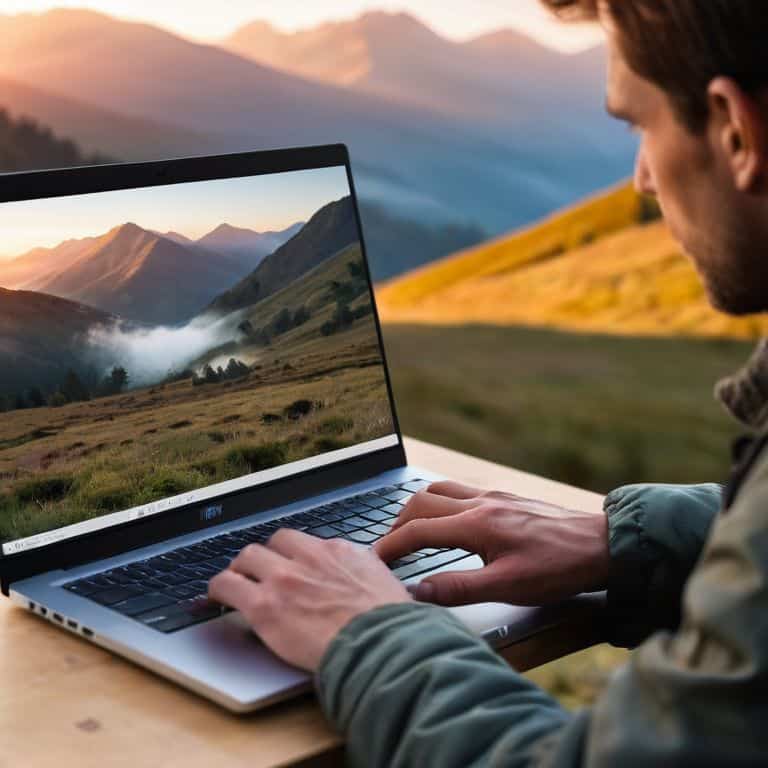
As I delve into the world of laptops for photo editing, I’ve come to realize that laptop display color gamut is a crucial aspect to consider. A wider color gamut ensures that the colors in your edited photos appear vivid and true to life. For instance, when I’m working on a project, I want to make sure that the laptop display can accurately represent the colors I’ve carefully selected. This is especially important for photographers who specialize in landscape or portrait photography, where subtle color variations can make all the difference.
When it comes to processor requirements, I’ve found that the minimum processor requirements for Adobe Photoshop are a good benchmark to consider. A laptop with a powerful processor can handle demanding tasks like editing high-resolution images and running multiple applications simultaneously. Additionally, portable laptop options are a must for photographers on the go, allowing them to edit and review their work in the field.
In terms of storage, I recommend considering best laptop storage options for photographers, such as solid-state drives (SSDs), which offer faster loading times and improved overall performance. With the right combination of processor, storage, and display, photographers can create stunning edits that showcase their unique perspective and style. By prioritizing these key factors, you can find a laptop that meets your needs and helps you take your photo editing to the next level.
Laptop Display Color Gamut Matters
When I’m deep in the editing zone, the last thing I want to worry about is whether my laptop’s display is accurately representing the colors in my photos. That’s why the color gamut of a laptop’s screen is crucial for photo editing. A wider color gamut means a more precise representation of the colors you’ve captured, allowing for more nuanced edits. I’ve found that a display with at least 95% DCI-P3 coverage is essential for professional-grade editing.
In my experience, a laptop with a superior display can make all the difference in the world. It’s not just about technical specs; it’s about being able to trust the colors you see on screen. With a laptop that boasts a wide color gamut, you can confidently make adjustments, knowing that your final product will look stunning on any device.
Minimum Processor for Adobe
When it comes to running Adobe’s creative suite, the processor is the heart that keeps everything pumping. I’ve found that a minimum of a quad-core processor is essential for smooth performance, especially when working with demanding tasks like 4K video editing or processing large batches of RAW photos. Anything less, and you’ll start to feel the lag, which can be frustrating when you’re in the zone.
For my own workflow, I’ve settled on an Intel Core i7 as my baseline – it provides the necessary horsepower to handle even the most taxing edits without breaking a sweat. Of course, your specific needs may vary, but as a general rule, investing in a capable processor will pay dividends in the long run, allowing you to focus on the creative process rather than waiting for your laptop to catch up.
Essential Elements for a Seamless Photo Editing Experience
- Prioritize a laptop with a wide color gamut display to ensure accurate and vibrant color representation
- Select a laptop with a minimum quad-core processor to handle demanding Adobe Creative Cloud applications
- Ample storage is crucial: opt for a laptop with at least 512GB of SSD storage to store your photo library and software
- A dedicated graphics card is a must for smooth performance: look for laptops with NVIDIA or AMD graphics to accelerate your editing workflow
- Portability matters: consider a laptop with a balance of power and weight, ideally under 4 pounds, to take your edit suite on the go
Key Takeaways for Your Perfect Photo Editing Laptop
Ensure your laptop’s display covers at least 95% of the DCI-P3 color gamut for accurate color representation in your edits
Select a laptop with a minimum of a quad-core processor to smoothly run demanding photo editing software like Adobe Photoshop and Lightroom
Prioritize a balance between power and portability, considering factors like RAM, storage, and battery life, to find a laptop that complements your unique photo editing workflow and style
The Heart of the Matter
A laptop for photo editing is not just a tool, it’s a partner in your creative journey – one that needs to understand the nuances of your craft, from the subtlety of color accuracy to the brute force of processing power, to help you weave your vision into reality.
Timothy Berg
Bringing it all into Focus
As I reflect on the journey of finding the perfect laptop for photo editing, it’s clear that several key factors come into play. From the laptop display color gamut to the minimum processor requirements for Adobe, each element plays a crucial role in ensuring a seamless editing experience. By carefully considering these aspects and understanding how they impact our workflow, we can make informed decisions that elevate our creative process. Whether you’re a professional photographer or an enthusiast, the right laptop can be a game-changer for your photo editing needs.
As you embark on your own search for the ideal laptop, remember that it’s not just about the specs – it’s about finding a tool that understands your creative soul. A laptop that can keep up with your vision, your passion, and your attention to detail. By investing time in researching and understanding what truly matters in a photo editing laptop, you’re not just buying a device – you’re investing in your art. And when you finally find that perfect balance of power, portability, and performance, you’ll know that every edit, every shot, and every moment of creative expression is worth it.
Frequently Asked Questions
What are the minimum RAM requirements for running multiple photo editing software simultaneously?
For seamless multitasking with multiple photo editing software, I’ve found that 16GB of RAM is the sweet spot – anything less and you’ll start to feel the pinch, especially when working with large files or multiple applications like Adobe Photoshop and Lightroom open at the same time.
How important is a dedicated graphics card for laptop-based photo editing?
For me, a dedicated graphics card is a must-have for serious laptop-based photo editing. It significantly accelerates tasks like masking, layers, and effects, making my workflow smoother and more efficient. While integrated graphics can suffice for casual editing, a dedicated GPU is essential for demanding tasks and high-resolution images.
What display features, such as touchscreen or 4K resolution, are must-haves for a seamless photo editing experience?
For a seamless photo editing experience, I swear by a 4K display – the level of detail is a game-changer. Touchscreen capabilities are a nice-to-have, but not essential; what’s crucial is a wide color gamut and decent brightness to ensure your edits translate well across devices.