An Explainer: What Is a J-cut and L-cut in Editing?

I still remember the countless hours I spent in film school, trying to wrap my head around what is a j-cut and l-cut in editing. It seemed like every instructor had a different explanation, and the more I learned, the more I realized that these fundamental techniques were being overcomplicated. As a documentary filmmaker, I’ve seen firsthand how a well-executed J-cut or L-cut can make all the difference in the pacing and emotional impact of a scene. But let’s be real, most explanations out there are dry and confusing, leaving many aspiring editors feeling frustrated and lost.
As someone who’s passionate about demystifying the filmmaking process, I want to assure you that mastering J-cuts and L-cuts is not rocket science. In this article, I’ll share my own experiences and insights on how to effectively use these techniques to enhance your storytelling. I’ll cut through the jargon and provide you with practical advice on how to create seamless transitions and engage your audience. My goal is to empower you with the knowledge and confidence to take your editing skills to the next level, and to help you understand how J-cuts and L-cuts can be used to create a more visceral and emotional connection with your viewers.
Table of Contents
Mastering J Cuts and L Cuts
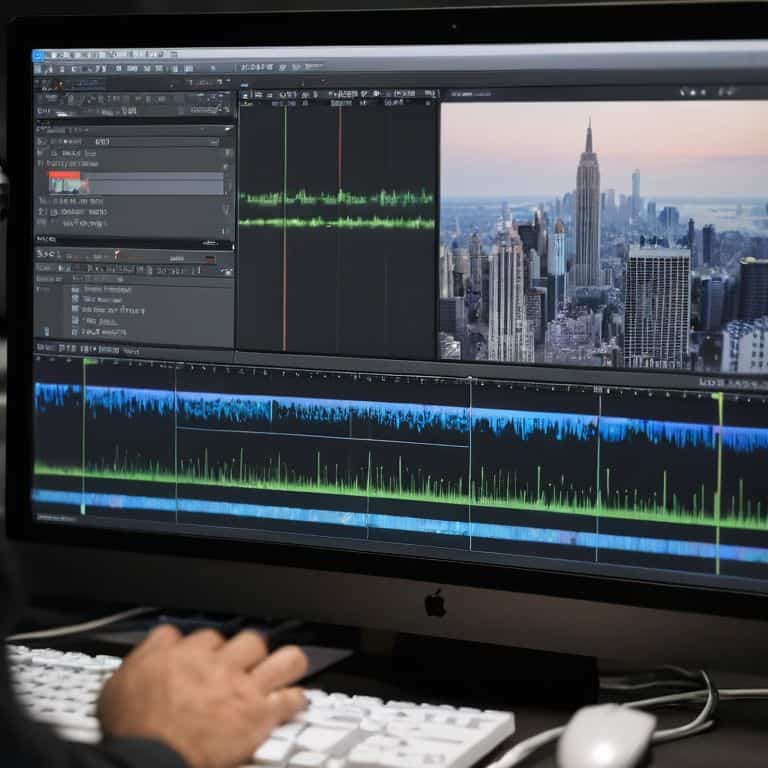
To truly bring your footage to life, you need to understand the art of mastering J-cuts and L-cuts. These types of video editing transitions are essential in creating a seamless and engaging narrative. A J-cut, where the audio from the next clip starts playing before the visual cut, can be used to create a sense of anticipation or to set the tone for the upcoming scene.
When it comes to audio editing for dialogue, J-cuts and L-cuts can make all the difference. An L-cut, where the visual cut happens before the audio cut, can be used to create a sense of continuity or to smooth out the transition between two clips. By carefully choosing when to use a J-cut or an L-cut, you can control the pacing and rhythm of your edit, drawing the viewer into the story.
As you experiment with j-cut vs l-cut techniques, remember that the key to mastering these transitions is to practice, practice, practice. With video editing software for beginners or advanced tools, you can easily try out different approaches and see what works best for your story. By combining J-cuts and L-cuts with other editing techniques, such as advanced dialogue editing tips, you can create a truly immersive cinematic experience that will leave your audience spellbound.
J Cut vs L Cut Choosing the Right Technique
When deciding between a J-cut and an L-cut, it’s essential to consider the emotional impact you want to achieve in your scene. A J-cut, where the audio from the next scene starts playing before the visual cuts, can create a sense of anticipation and excitement. This technique is particularly effective in building tension or hinting at what’s to come.
In contrast, an L-cut, where the visual cuts before the audio, can be used to create a sense of continuity between scenes. By allowing the audio to linger, you can maintain the emotional resonance of the previous scene, making the transition feel more seamless.
Unlocking Rhythm With Audio Editing
As I dive into the world of audio editing, I’m reminded that sound design is an art form that can make or break the rhythm of your story. It’s where the magic happens, and the audience is fully immersed in your narrative. By carefully crafting the audio, you can create a sense of tension or release, drawing the viewer into the emotional core of your film.
To achieve this, I rely on precision editing to ensure that every sound effect, music cue, and dialogue snippet is perfectly in sync with the visual elements. This harmonious balance is what brings your footage to life, making the edit almost invisible and allowing the story to shine through.
What Is a J Cut and L Cut in Editing
When it comes to types of video editing transitions, J-cuts and L-cuts are two fundamental techniques that can make or break the rhythm of your story. As a filmmaker, I’ve learned that mastering these cuts can elevate your editing game and bring your footage to life. A J-cut, also known as a _jump cut_, occurs when the audio from the next clip starts playing before the video cuts to it. This technique allows for a seamless transition between scenes, creating a sense of continuity.
In contrast, an L-cut is the opposite of a J-cut, where the video cuts to the next scene before the audio starts playing. This technique is useful for creating a sense of tension or surprise, as the viewer is presented with a new visual element before they hear the accompanying audio. When used correctly, j-cut vs l-cut techniques can add depth and complexity to your storytelling. By carefully selecting when to use each technique, you can control the pacing and emotional impact of your film.
As I’ve experimented with _audio editing for dialogue_, I’ve come to realize that J-cuts and L-cuts are essential tools in my editing arsenal. By using video editing software for beginners, such as Adobe Premiere or Final Cut Pro, you can easily implement these techniques and take your editing to the next level. Whether you’re working on a documentary, narrative film, or even a branded content piece, mastering J-cuts and L-cuts will help you create a more engaging and immersive experience for your audience.
Advanced Dialogue Editing With J Cuts and L Cuts
When it comes to dialogue editing, precise timing is everything. Using J-cuts and L-cuts can add a whole new level of depth to your conversations, making them feel more natural and engaging. By cutting the audio before the video, or vice versa, you can create a seamless flow that draws the viewer in.
To take your dialogue editing to the next level, try experimenting with advanced audio overlap techniques. This involves carefully balancing the audio levels and timing to create a sense of continuity, even when the visual elements are changing. It’s a subtle but powerful technique that can make a big difference in the overall impact of your scene.
Types of Video Editing Transitions Explained
When it comes to video editing transitions, there are several techniques to choose from, but mastering the basics is essential to creating a cohesive narrative. Transitions can make or break the pacing and flow of your story, and understanding the different types can help you decide which ones to use and when.
In addition to J-cuts and L-cuts, smooth cuts are another popular transition technique used in video editing. This type of cut is used to create a seamless transition between two clips, often used in interviews or dialogue-driven scenes to maintain a sense of continuity and flow.
Bringing Your Edit to Life: 5 Essential Tips for Mastering J-Cuts and L-Cuts
- Use J-cuts to create a seamless transition between clips by having the audio from the next clip start playing before the visual cut
- Employ L-cuts to add a touch of drama or emphasis by having the visual cut happen before the audio from the previous clip ends
- Experiment with different types of audio, such as music or sound effects, to enhance the emotional impact of your J-cuts and L-cuts
- Pay attention to the pacing and rhythm of your edit, using J-cuts and L-cuts to control the flow of your story and keep your audience engaged
- Practice makes perfect: try using J-cuts and L-cuts in different contexts to develop your own unique editing style and discover what works best for your story
Key Takeaways for Mastering J-Cuts and L-Cuts
Use J-cuts to create a seamless transition between clips by having the audio from the next clip start playing before the visual cut, creating a sense of continuity and flow in your story
Employ L-cuts to add emphasis or create a sense of drama by having the audio from the current clip continue to play after the visual cut to the next clip, allowing the audience to fully absorb the emotion or message
Experiment with combining J-cuts and L-cuts to develop a unique rhythm and pacing in your edits, paying close attention to how these techniques impact the emotional resonance and narrative drive of your film
The Rhythm of Editing
A J-cut is like a whispered secret, where the audio from the next scene starts before the visual cut, while an L-cut is like a gentle fade, where the visual cut happens before the audio change – mastering these techniques is what turns raw footage into a symphony of storytelling.
Maya Jenson
Bringing Your Story to Life with J-Cuts and L-Cuts
As we’ve explored the world of J-cuts and L-cuts, it’s clear that mastering these techniques can elevate your editing game and bring a new level of sophistication to your stories. From unlocking rhythm with audio editing to choosing the right technique for your scene, understanding J-cuts and L-cuts can help you create a more immersive and engaging experience for your audience. By applying these principles to your own work, you’ll be able to craft a narrative that flows seamlessly and draws your viewers in.
So, as you continue on your filmmaking journey, remember that the true power of J-cuts and L-cuts lies not just in the technical aspects, but in the emotional impact they can have on your story. Don’t be afraid to experiment and push the boundaries of what’s possible – with practice and patience, you’ll be well on your way to creating films that truly resonate with your audience and leave a lasting impression.
Frequently Asked Questions
How do I decide when to use a J-cut versus an L-cut in a scene to create a seamless transition?
For me, it’s all about the emotional flow of the scene. If I want to create anticipation or tension, I’ll use a J-cut to lead the audience’s ear to the next clip. But if I need a smoother, more natural transition, an L-cut is my go-to, allowing the audio to guide the viewer through the edit.
Can J-cuts and L-cuts be used in conjunction with other editing techniques, such as crossfades or jump cuts, to add more visual interest?
Absolutely, combining J-cuts and L-cuts with other techniques like crossfades or jump cuts can add incredible visual interest to your story. I love experimenting with crossfades to create a sense of continuity, while jump cuts can add a touch of edginess – it’s all about finding the right balance to serve your narrative.
What role do J-cuts and L-cuts play in shaping the pacing and tone of a film, and how can editors use them to create a specific emotional response in the audience?
For me, J-cuts and L-cuts are all about manipulating pacing and tone to evoke a specific emotional response. By carefully cutting on action or dialogue, I can create a sense of urgency or intimacy, drawing my audience into the story. It’s all about finding that perfect rhythm to make my viewers feel what I want them to feel.