A Guide on How to Choose Music for Your Videos
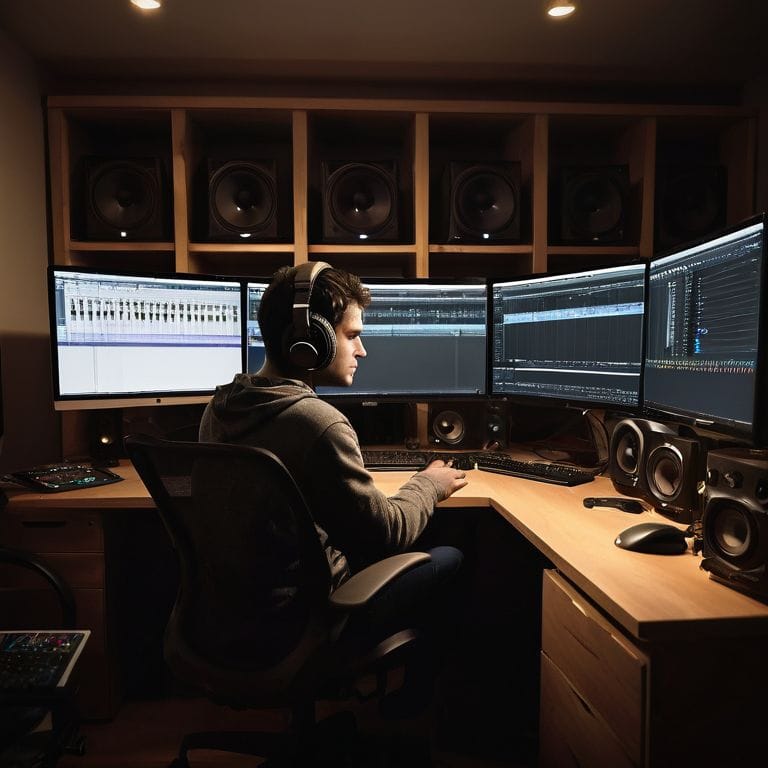
I still remember the first time I had to choose music for my documentary – it was like finding the missing piece of a puzzle. The footage came alive, and the story suddenly had a rhythm that drew the audience in. This experience taught me that how to choose music for your videos is not just about picking a catchy tune, but about finding the emotional core of your story. As a filmmaker, I’ve seen how the right soundtrack can elevate a scene from mundane to mesmerizing, and I’m excited to share my insights on this process.
In this article, I’ll guide you through the practical steps of selecting music that complements your visuals and resonates with your audience. You’ll learn how to choose music for your videos that enhances the mood, tone, and pacing of your story, rather than overwhelming it. From understanding the role of music in different genres to tips for licensing and editing, I’ll share my hands-on experience to help you make informed decisions about your soundtrack. By the end of this guide, you’ll be equipped with the knowledge to find the perfect harmony for your footage and create a truly unforgettable viewing experience.
Table of Contents
- Guide Overview: What You'll Need
- Step-by-Step Instructions
- Finding Rhythm in Video Editing
- Harmonizing Your Visuals: 5 Essential Tips for Choosing the Perfect Music for Your Videos
- Key Takeaways for Choosing Music for Your Videos
- The Heartbeat of Your Film
- Bringing Your Story to Life with Music
- Frequently Asked Questions
Guide Overview: What You'll Need
Total Time: 1 hour to several hours
Estimated Cost: free – $100
Difficulty Level: Easy / Intermediate
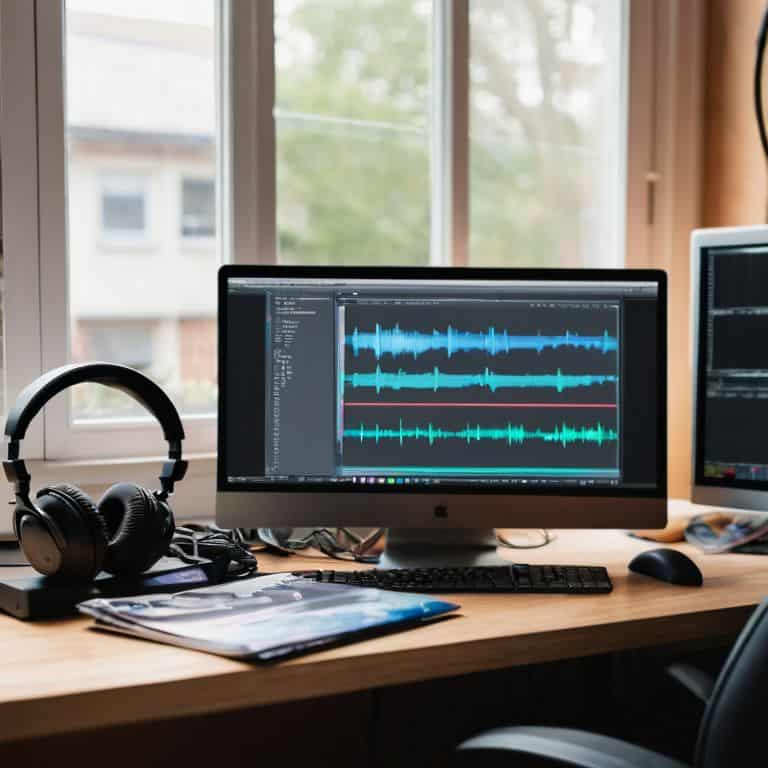
Tools Required
- Computer (with internet connection)
- Audio Editing Software (optional)
- Headphones (for previewing music)
Supplies & Materials
- Royalty-Free Music (from online marketplaces or libraries)
- Personal Music Collection (for videos with appropriate licenses)
Step-by-Step Instructions
- 1. First, let’s start by understanding the emotional impact of music in videos. I always begin by brainstorming the mood and atmosphere I want to create with my story, and then I look for music that resonates with that feeling. For example, if I’m working on a documentary about a social issue, I might choose a soundtrack with a more somber tone to reflect the gravity of the subject.
- 2. Next, I consider the pacing and rhythm of my edit. Music can greatly influence the speed and energy of a scene, so it’s essential to find a soundtrack that complements the natural rhythm of your footage. I like to experiment with different genres and tempos to see what works best for my story, and I often find inspiration in classic film scores that have stood the test of time.
- 3. Now, let’s talk about the importance of lyrical relevance. When choosing music for your videos, it’s crucial to consider the lyrics and how they relate to your story. I always make sure to select songs with lyrics that are either neutral or directly relevant to my narrative, as distracting lyrics can pull the viewer out of the story and undermine the emotional impact.
- 4. The fourth step is to think about the instrumental texture of your music. Different instruments and instrumental combinations can evoke unique emotions and moods, so it’s essential to choose a soundtrack that fits the tone and atmosphere of your story. For instance, a piano-driven score can create a sense of intimacy and vulnerability, while a full orchestral arrangement can convey a sense of grandeur and drama.
- 5. Once I’ve narrowed down my music options, I like to test the soundtrack with my footage. This is a critical step, as it allows me to see how the music interacts with the visuals and the overall narrative. I often try out different versions of the soundtrack, experimenting with volume levels and timing to find the perfect balance between music and dialogue.
- 6. Another crucial aspect to consider is copyright and licensing. As a filmmaker, it’s essential to ensure that you have the necessary permissions to use a particular song or soundtrack in your video. I always make sure to clear the rights for any music I use, whether it’s through a licensing agreement or by using royalty-free music that is specifically designed for video production.
- 7. Finally, I believe that sound design is just as important as the music itself. I like to think of sound design as the unsung hero of filmmaking, as it can add depth, texture, and emotion to a scene. When choosing music for your videos, consider how it will work in conjunction with your sound design elements, such as foley effects and ambient noise, to create a rich and immersive audio experience.
Finding Rhythm in Video Editing
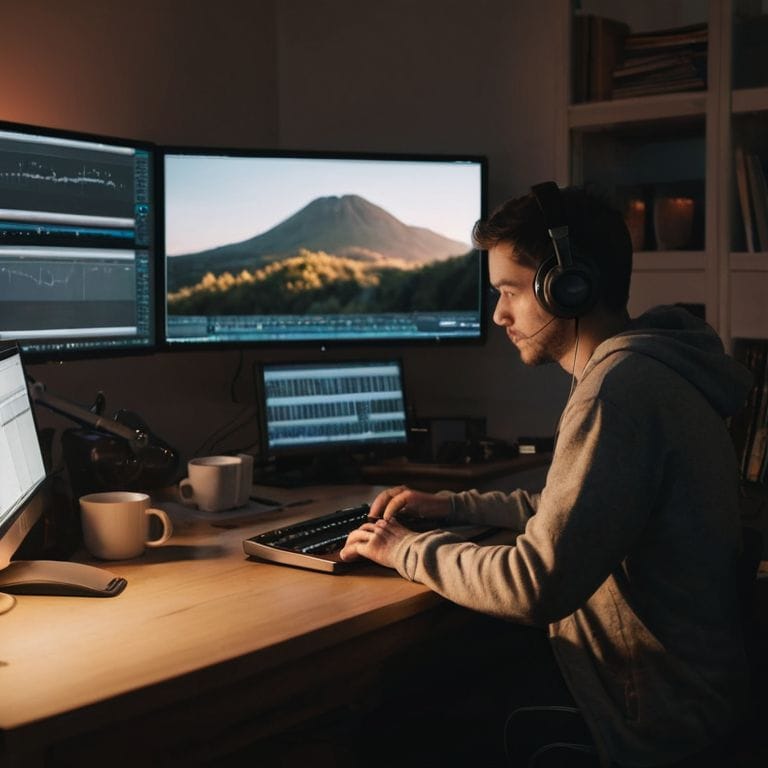
As I delve into the world of video editing music tips, I’m reminded of the significance of rhythm in bringing a story to life. Finding the perfect tempo and melody can elevate your footage, creating an immersive experience for your audience. I’ve found that experimenting with different _audio tracks for video production_ can completely transform the mood and tone of a scene.
When it comes to selecting background music for YouTube videos, it’s essential to consider the _emotional impact_ you want to convey. Royalty free music platforms can be a great resource, offering a wide range of tracks to choose from. However, it’s crucial to ensure that the music complements your visuals, rather than overpowering them. I’ve learned to trust my instincts and make adjustments until the rhythm feels just right.
In my experience, _sound design for video content_ is just as important as the visual elements. By carefully balancing music and sound effects, you can create a rich and engaging atmosphere that draws your audience in. Whether you’re working on a documentary, commercial, or social media clip, music licensing for social media can be a complex issue – but with the right guidance, you can navigate these challenges and find the perfect soundtrack to bring your story to life.
Royalty Free Music Platforms for Creators
As I delve into the world of royalty-free music, I’m reminded of the countless hours I spent searching for the perfect score for my documentary. Platforms like Audio Library, Epidemic Sound, and Free Music Archive have become my go-to destinations. These websites offer a vast library of high-quality, royalty-free tracks that can elevate your video editing to the next level. I’ve found that having access to a diverse range of genres and moods helps me to experiment and find the perfect fit for my story.
I’ve had great experiences with these platforms, and I appreciate the flexibility they offer. Whether I’m working on a personal project or a client-based production, I can always find the right music to enhance the emotional impact of my footage. By exploring these royalty-free music platforms, you’ll be able to discover new sounds and styles that will help you to create a unique and captivating video.
Video Editing Music Tips for Beginners
As a beginner, it’s essential to start with the basics. When selecting music for your video, consider the tempo and mood you want to convey. For example, a fast-paced montage might call for an upbeat, energetic track, while a more introspective scene might require a softer, more melancholic tune. I always think about the emotional arc of my story and choose music that complements it.
In my own editing process, I’ve found that starting with a temp track can help me find the rhythm of my story. This allows me to experiment with different genres and tempos before settling on the perfect fit. By doing so, you’ll be able to create a cohesive narrative that draws your audience in and refuses to let go.
Harmonizing Your Visuals: 5 Essential Tips for Choosing the Perfect Music for Your Videos
- Set the tone with your genre: Consider the style and mood of your video, and select music that complements it – for example, a fast-paced electronic track for an action-packed sequence or a melancholic piano piece for a heartfelt moment
- Lyrics or no lyrics: Decide whether you want instrumental music or a song with vocals, keeping in mind that lyrics can sometimes distract from the narrative, but can also add depth and context
- Tempo and pacing: Choose a tempo that matches the rhythm of your edit, and experiment with different pacing to create tension, suspense, or emotional release
- Emotional resonance: Select music that evokes the desired emotional response from your audience, whether it’s excitement, nostalgia, or inspiration – remember, music is 50% of the film
- Experiment and iterate: Don’t be afraid to try out different tracks and genres until you find the one that perfectly complements your visuals, and be open to feedback and adjustments throughout the editing process
Key Takeaways for Choosing Music for Your Videos
Remember that music is not just a background element, but a narrative driver that can elevate your story and evoke emotions in your audience
Experiment with different genres, tempos, and moods to find the perfect rhythm for your video, and don’t be afraid to try out unconventional choices
Always consider the licensing and copyright implications of the music you choose, and explore royalty-free platforms and independent artists to find unique and affordable options
The Heartbeat of Your Film
Music is the unseen narrator of your story, bridging the gaps between scenes and evoking emotions that transcend words – choose it wisely, and it will become the heartbeat that brings your film to life.
Maya Jenson
Bringing Your Story to Life with Music
As we’ve explored the process of choosing music for your videos, remember that finding the right rhythm is crucial to setting the tone and pace of your story. From understanding the importance of royalty-free music platforms to learning how to use music to elevate your narrative, each step is vital in creating a cohesive and engaging video. By considering the mood, genre, and instrumentation of your music, you can amplify the emotional impact of your footage and draw your audience into the world you’re creating.
As you embark on your own video projects, I encourage you to view music as an integral part of your storytelling process. Don’t be afraid to experiment and try new things – it’s often the unexpected choices that lead to the most compelling results. With practice and patience, you’ll develop a keen ear for the music that makes your footage come alive, and your stories will resonate with audiences on a deeper level. Keep pushing the boundaries of what’s possible, and never underestimate the power of music to transform your videos into unforgettable experiences.
Frequently Asked Questions
How do I ensure the music I choose for my video doesn't overpower the dialogue or sound effects?
To avoid overpowering dialogue or sound effects, I always consider the music’s frequency range and dynamics. I look for tracks with a balanced mix, and often opt for instrumentals or ambient textures that complement the narrative, rather than competing with it. This way, the music enhances the emotional impact without drowning out the story.
What are some tips for selecting music that fits the tone and mood of my video's genre, such as a documentary or a commercial?
For documentaries, I opt for subtle, atmospheric soundtracks that enhance the narrative without overpowering it. For commercials, I choose upbeat, energetic tracks that match the brand’s vibe. Consider the genre’s emotional core and select music that amplifies it – this will help you create a cohesive, impactful visual story.
Are there any specific royalty-free music platforms or licensing options that you recommend for independent filmmakers or creators on a budget?
I swear by platforms like Audio Library, Epidemic Sound, and Free Music Archive for high-quality, royalty-free tracks. They offer affordable licensing options and a vast library to choose from, perfect for indie filmmakers on a budget.