A Guide on How to Avoid Creative Burnout (and Stay Inspired)
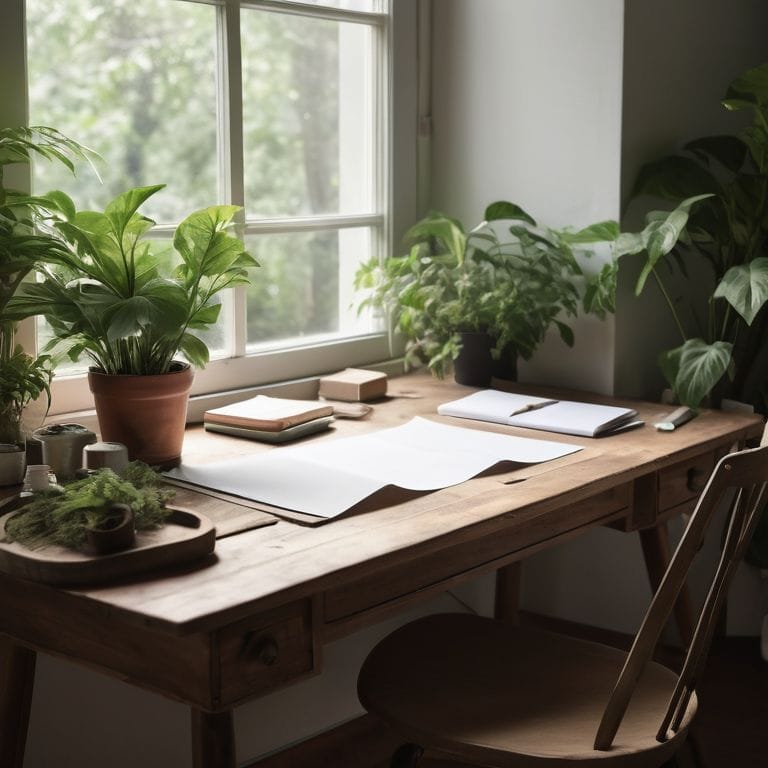
I still remember the day I hit rock bottom as a creative – exhausted, uninspired, and wondering how to avoid creative burnout. It was like I’d lost my spark, my passion, and my sense of purpose. I’d been pushing myself to meet deadlines, constantly striving for perfection, and neglecting my own well-being in the process. But as I sat amidst the chaos of my desk, surrounded by empty coffee cups and crumpled up drafts, I realized that I wasn’t alone in this struggle. Many of us creatives have been there, feeling like we’re running on empty and unsure of how to refill our tanks.
As someone who’s been through the trenches and come out the other side, I want to share with you my hard-won wisdom on how to avoid creative burnout. In this article, I’ll be giving you a brutally honest guide on how to recognize the signs of burnout, how to prioritize your well-being, and how to cultivate a sustainable creative practice that nourishes your mind, body, and soul. I’ll be sharing practical tips, personal anecdotes, and real-life strategies that have helped me build a thriving creative career without sacrificing my mental health. So, if you’re ready to break free from the cycle of burnout and unleash your full creative potential, then let’s dive in and explore the journey to a more balanced, inspired, and fulfilling creative life.
Table of Contents
Guide Overview: What You'll Need
Total Time: 1 hour 30 minutes
Estimated Cost: $0 – $10
Difficulty Level: Easy
Tools Required
- Journal (for reflection)
- Calendar (for scheduling)
- Timer (for time management)
Supplies & Materials
- Colored Pens (for brainstorming)
- Stress Ball (for relaxation)
- Inspirational Books (for motivation)
Step-by-Step Instructions
- 1. First, let’s set the foundation for a burnout-free creative life by establishing a consistent daily routine. This means waking up at the same time every day, including weekends, and starting with a calming morning ritual, such as meditation or journaling. For me, it’s about 15 minutes of morning pages to clear my mind and focus on the day’s priorities.
- 2. Next, it’s essential to prioritize self-care by scheduling time for activities that nourish your body and soul, like yoga, walking, or reading. I make sure to allocate at least 30 minutes daily for physical activity and 1 hour for relaxation, whether that’s taking a warm bath, listening to soothing music, or practicing gentle stretches.
- 3. To maintain a healthy work-life balance, I recommend implementing creative sprints – focused 90-minute work sessions followed by 10-15 minute breaks. This technique helps me stay concentrated and avoid burnout by providing regular intervals to rest and recharge. During these breaks, I like to grab a cup of tea, take a short walk, or simply gaze out the window to refresh my mind.
- 4. Learning to say no to non-essential commitments is crucial for preserving your creative energy. Be mindful of your workload and avoid overcommitting yourself, as this can lead to feelings of overwhelm and exhaustion. Remember, it’s okay to set boundaries and prioritize your own projects and well-being.
- 5. A well-organized workspace is vital for a clear and focused mind. Declutter your desk and surroundings, and establish a system for organizing your materials and deadlines. I use a combination of digital tools and a bullet journal to keep track of my tasks, appointments, and ideas, ensuring that I can easily access the information I need.
- 6. Cultivate a support network of fellow creatives, friends, and family members who understand the challenges and triumphs of a creative life. Regularly scheduling check-ins or meetups with these individuals can help you stay motivated, inspired, and accountable. I also make it a point to attend workshops and conferences to expand my knowledge, learn from others, and connect with like-minded individuals.
- 7. Lastly, schedule intentional rest days, where you completely disconnect from work-related tasks and focus on relaxation and rejuvenation. This might involve taking a digital detox, reading a book, or engaging in a hobby that brings you joy. By allowing yourself time to fully unwind, you’ll return to your creative pursuits with renewed energy and a fresh perspective.
Avoiding Creative Burnout
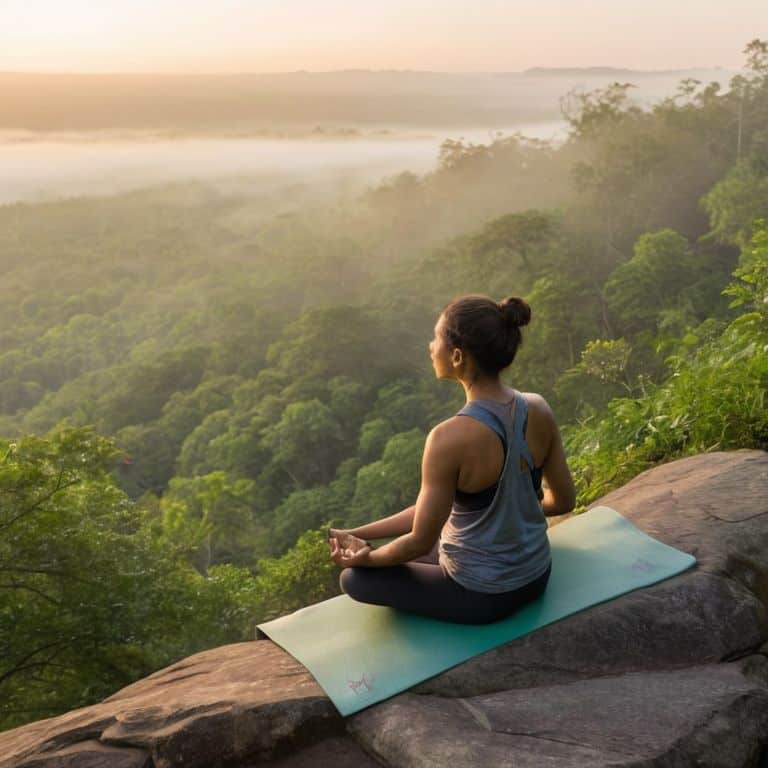
As I reflect on my own journey, I’ve come to realize that managing creative stress is crucial to maintaining a healthy and thriving creative life. For me, this means prioritizing self-care and making time for activities that bring me joy and relaxation, such as practicing yoga or taking a walk in nature. By doing so, I’m able to recharge my batteries and approach my creative work with a clear and focused mind.
When it comes to burnout recovery techniques, I’ve found that setting healthy boundaries is essential. This means being mindful of my workload and avoiding overcommitting to projects that can leave me feeling drained and uninspired. By being intentional about the projects I take on and setting realistic deadlines, I’m able to maintain a sense of control and agency over my creative work. This, in turn, allows me to stay focused and motivated, even in the face of challenging or demanding projects.
In my experience, finding inspiration in nature can be a powerful way to spark creativity and avoid burnout. Whether it’s taking a walk in the park or simply spending time in my garden, I’ve found that being in nature helps me to clear my mind and tap into my inner sources of inspiration. By making time for these kinds of activities, I’m able to stay connected to my creative self and approach my work with a sense of curiosity and wonder.
Managing Stress Through Nature
As I reflect on my own journey with creative burnout, I realize that nature played a pivotal role in my recovery. Taking short walks in the park or simply sitting by a window with a view of greenery helped calm my mind and spark new ideas. I’ve since made it a point to incorporate nature into my daily routine, whether it’s a quick stroll or a longer hike on the weekends. This intentional connection with the outdoors has been a game-changer for my mental well-being and creativity.
By prioritizing time in nature, I’ve found that I’m better equipped to manage stress and avoid burnout. Even small doses of nature can be incredibly restorative – a few deep breaths of fresh air, the sound of birds singing, or the feeling of sunlight on my skin can work wonders for my state of mind. I encourage you to explore ways to bring nature into your daily life, whether it’s a walk around the block or a weekend getaway to the countryside.
Setting Boundaries at Work
For me, setting boundaries at work has been a game-changer in preventing burnout. I’ve learned to prioritize my tasks, focusing on the most creative and high-impact projects during my most inspired hours. This means saying no to non-essential meetings and delegating tasks when possible. By doing so, I’ve been able to maintain a sense of control and autonomy over my work, which has greatly reduced my stress levels. I also make sure to schedule regular breaks, taking short walks outside or practicing a few yoga poses to clear my mind.
By establishing these boundaries, I’ve been able to protect my creative energy and maintain a healthy work-life balance. It’s not always easy, but it’s worth it to avoid the feeling of being drained and uninspired.
5 Essential Strategies to Save Your Creative Spark
- Prioritize Self-Care: Schedule time for activities that nourish your mind, body, and soul, such as yoga, journaling, or reading
- Set Realistic Goals and Deadlines: Learn to say no to projects that drain your energy and focus on tasks that align with your creative vision
- Create a Conducive Work Environment: Design a workspace that inspires you, whether it’s a colorful desk, a cozy corner, or a peaceful outdoor spot
- Take Breaks and Practice Time Blocking: Allow yourself time to rest and recharge, and use time-blocking to dedicate focused hours to your creative work
- Cultivate a Supportive Community: Surround yourself with fellow creatives who understand your struggles and can offer valuable feedback, encouragement, and motivation
Key Takeaways to Save Your Creative Soul
I’ve learned that prioritizing self-care and making time for activities that bring me joy, like journaling and yoga, can help prevent creative burnout and maintain a healthy work-life balance
Setting clear boundaries, whether it’s learning to say no to non-essential projects or establishing a ‘stop work’ time each day, is crucial for protecting my energy and mental well-being as a creative
By embracing intentional rest, scheduling ‘creative sprints’ and allowing myself time to recharge, I’ve found that my productivity and inspiration have increased, and I’m better equipped to tackle challenging projects without sacrificing my artistic vision
Embracing Balance
The greatest myth of creativity is that it thrives in chaos; in reality, it’s the intentional moments of calm, the deliberate pauses, and the gentle rhythms that allow our truest work to flourish.
Audrey Bell
Embracing a Creative Life Without Burnout

As I reflect on our journey to avoid creative burnout, I want to emphasize the importance of practicing self-care and _setting realistic goals_. We’ve explored various strategies, from managing stress through nature and setting boundaries at work, to creating a schedule that allows for _intentional rest_ and creative sprints. By incorporating these habits into our daily lives, we can cultivate a sense of balance and harmony that nurtures our creative souls.
As we move forward, I encourage you to remember that avoiding burnout is not a destination, but a _continuous process_. It’s about embracing a lifestyle that values sustainable creativity and _personal well-being_. So, take a deep breath, be kind to yourself, and trust that the journey to avoiding creative burnout is worth it – your art, and your soul, will thank you.
Frequently Asked Questions
What are some practical ways to prioritize self-care when I'm already feeling overwhelmed with work and creative projects?
For me, prioritizing self-care when overwhelmed means scheduling ‘mini-breaks’ into my day, like a 10-minute yoga stretch or a quick journaling session. I also color-code my tasks to distinguish between work and personal time, ensuring I make space for activities that nourish my mind and soul, like reading or taking a walk.
How can I distinguish between a normal dip in motivation and actual burnout, and what are the first steps to take in either case?
For me, the difference between a motivation dip and burnout is the intensity and duration of my feelings. If I’m just feeling meh, a walk or yoga practice usually helps. But if I’m consistently exhausted, irritable, and detached, that’s burnout. In that case, I take a step back, reassess my priorities, and focus on self-care – whether that’s a digital detox, a creative sprint, or simply a good night’s sleep.
What role can scheduling downtime and rest play in maintaining my creative energy and productivity over the long term?
For me, scheduling downtime is non-negotiable – it’s where my best ideas simmer in the background. I prioritize ‘intentional rest’ to recharge, whether that’s a yoga practice, a walk, or simply a quiet morning with my journal. By making rest a deliberate part of my routine, I’ve found my creative energy and productivity soar over time.